Process chemicals
List IPA, flux removers, detergents and other exposure by concentration, temperature and contact time. Review the selected manufacturer’s chemical-resistance data before choosing the finish.

Electronics & static-sensitive production · Vancouver & BC
Static control starts with the complete floor system.
Priority One Epoxy Flooring installs conductive and static-dissipative resin floors for electronics manufacturing, PCB assembly, SMT lines and semiconductor support areas. We plan the preparation, grounding details and testing scope around your facility’s ESD requirements.
Explore grounding & verification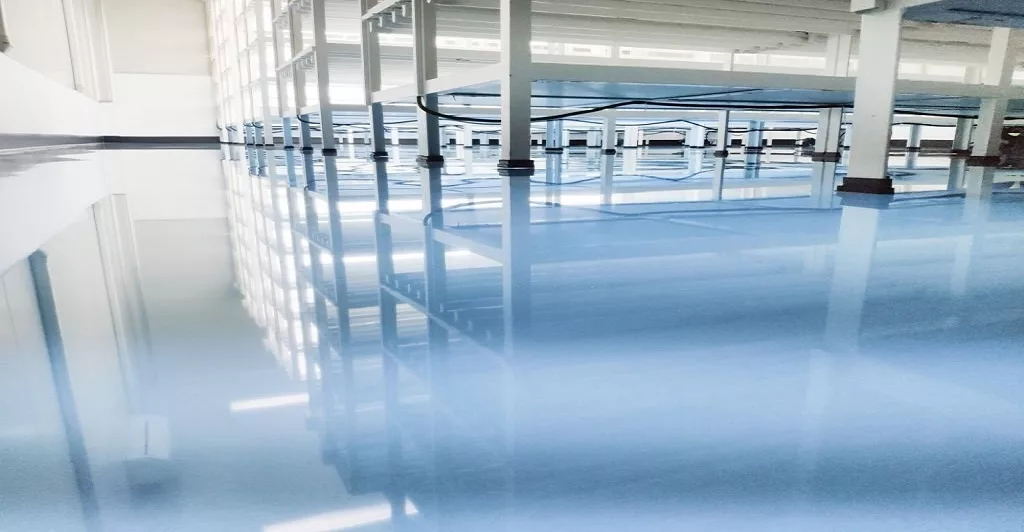
ESD flooring installation · British Columbia
An ESD epoxy floor provides a controlled path to ground when the specified assembly, grounding connections and operating practices work together.
As an ESD floor installer serving Vancouver and the Lower Mainland, we review the concrete, production layout and facility specification before recommending conductive epoxy or static-dissipative flooring. The proposal identifies the floor build, preparation and agreed verification scope.
Confirm the target resistance, test methods, footwear, environmental conditions and which rooms form part of the electrostatic protected area.
Review moisture, existing coatings, grounding locations, cart routes, cleaning products and the installation window.
Agree the testing responsibility, locations, documentation and corrective-work process before installation.
Designed around the production area
PCB assembly, surface-mount technology (SMT), test areas and semiconductor support spaces have different traffic and process conditions. Define the static-sensitive zones first, then match the flooring to each area.
Assembly benches and component-handling areas need the flooring and approved footwear considered as a combination.
We review: personnel movement, rolling chairs, rework stations, exposed components and the facility’s grounding practices.
Review the verification scopeProduction lines need a durable finish around feeders, conveyors, workstations and regular cart movement.
We review: wheel and caster compatibility, equipment interfaces, wear lanes, zone transitions and phased access.
Plan installation accessTest, inspection and repair areas may need static control alongside cleanability and resistance to the actual cleaners used.
We review: instrument locations, operator footwear, stools and chairs, cleaning residues and repair requirements.
Review cleaning and careSupport rooms, component staging and controlled production areas need the consultant’s ESD criteria reviewed alongside the room finish requirements.
We review: cove details, penetrations, contamination control, maintenance chemistry and any separate cleanroom specification.
Explore dedicated cleanroom flooringCompare the complete assembly
“Anti-static” is a broad description. It does not establish a grounding path, an installed resistance value or compatibility with your footwear. Both conductive and static-dissipative systems need to be assessed against the facility’s acceptance criteria.
| Floor system | Where to consider it | What to confirm |
|---|---|---|
| Static-dissipative epoxy | Electronics assembly, rework and test zones where a dissipative assembly is specified. | Installed resistance targets, footwear interaction, grounding layout, wear and cleaning requirements. |
| Conductive epoxy | Areas whose specification calls for a lower-resistance floor system. | Project limits, compatible layers, electrical coordination and testing under the required conditions. |
| ESD wear-coat assembly | Suitable floors needing a specified abrasion, sheen or maintenance characteristic. | A manufacturer-approved ESD finish. Every added layer must preserve the required electrical performance. |
| ESD floor repair or replacement | Worn floors, damaged zones or existing coatings proposed for an upgrade. | Adhesion, substrate condition, compatibility and the cause of any failed resistance readings. |
The work beneath the finish
Preparation, primer, conductive layers and grounding details form one assembly. The manufacturer’s approved build determines the layer sequence, coverage and connection details.
A moisture-control layer may be required after testing. Joints, coves and adjoining finishes also need detailing so the completed floor suits both production and maintenance.
See what verification should coverConductive or static-dissipative finish, with an approved wear coat only where the system permits.
Compatible conductive primer or layer, grounding tape or electrodes as required by the selected system.
Bonding and any specified moisture-control treatment beneath the conductive assembly.
Mechanical preparation, agreed repairs and functioning movement-joint details.
Grounding, qualification & handover
Floor resistance and personnel grounding are different checks. Where the floor and footwear are used to ground people, the combination needs evaluation with the footwear the facility will actually use. Coordinate final building-ground connections with the facility’s electrical team.
Assess the floor’s electrical resistance at agreed locations. Record the method, conditions, instrument and results against the specified limits.
Evaluate the person, approved footwear and installed flooring together. A floor-only measurement cannot establish this result.
Assess body voltage with the specified footwear and floor combination. Resistance alone does not describe how much charge walking generates.
The facility’s ESD coordinator defines applicable criteria, qualification and verification responsibilities. Agree what the flooring proposal includes and who performs each test.

From concrete to return to production
Occupied electronics facilities need work-area separation, equipment protection and a realistic reopening sequence. We assess whether zones can be completed separately or whether the process requires a closure.
Review the floor plan, existing coatings, repairs, moisture-testing requirements, ESD criteria and available shutdown dates.
Mechanically prepare the concrete, complete agreed repairs and arrange grounding points, coves, thresholds and transitions. Agree dust control and production-area separation.
Apply the specified assembly, complete the agreed inspection and testing, and document return-to-use restrictions and maintenance instructions.
Reopening dates distinguish foot traffic, equipment movement and chemical cleaning. Installation completion, testing readiness and full chemical cure are separate milestones.
Performance in everyday use
List IPA, flux removers, detergents and other exposure by concentration, temperature and contact time. Review the selected manufacturer’s chemical-resistance data before choosing the finish.
Approved footwear and suitable conductive or dissipative wheels help maintain the intended electrical contact. Inspect cart routes, chair lanes, damage and coating wear as part of the facility’s program.
Use the manufacturer’s recommended cleaners and avoid insulating residues or unapproved finishes. Set verification intervals through the ESD program and review performance after repairs, recoats or maintenance changes.
Budget and written scope
A sound slab and a worn production floor can have the same area but need different work. ESD flooring cost follows the preparation, selected assembly, grounding details, verification scope and installation access.
Compare quotes against the same scope. Confirm exclusions, applicable taxes, electrical work and written warranty terms before scheduling.
Before you commit
ESD epoxy flooring is a resin floor assembly designed to provide controlled electrical resistance and a path to ground in static-sensitive areas. Its performance depends on the specified layers, grounding connections, maintenance and the facility’s ESD control program.
Anti-static is a broad term and does not define a complete electrical specification. Conductive and static-dissipative floors have different resistance characteristics. Select the assembly against the project’s stated limits, test methods and footwear requirements.
Ordinary shoes and insulating wheels may prevent the required electrical contact. Where footwear and flooring ground personnel, evaluate the approved combination for system resistance and walking body voltage. Carts and chairs also need compatible wheels and electrical continuity where required.
The quote should identify the required floor resistance tests, locations, conditions, acceptance criteria and reporting responsibility. Where flooring and footwear ground personnel, include the applicable combined resistance and walking body-voltage qualification. Confirm which checks are included and which require the facility team or an independent specialist.
Sometimes. Assess adhesion, moisture, contamination, existing layers and the selected manufacturer’s approved preparation and build. Removal or an approved isolation layer may be needed. A generic anti-static topcoat does not establish compliance.
Some facilities can separate zones and schedule work around production. Others need a shutdown. Preparation, dust control, ventilation, equipment access, grounding continuity and cure times determine a practical sequence. Confirm the plan before work starts.
A useful square-foot price requires the measured area, concrete condition and complete specification. Preparation, repairs, moisture treatment, system thickness, grounding details, testing and phasing all affect the cost. We review these items before providing a project quote.
Follow the installed system manufacturer’s cleaning guidance and avoid products that leave insulating residue. The facility’s ESD program sets verification intervals. Review performance after repairs, recoats, footwear changes or changes to cleaning products and methods.
Vancouver, the Lower Mainland & selected BC projects
We assess electronics and static-sensitive flooring projects in Vancouver, Richmond, Burnaby, Surrey, Delta, the North Shore, Tri-Cities, Langley and the Fraser Valley. Selected projects on Vancouver Island and in the BC Interior are reviewed by scope and scheduling requirements.
Explore our service areasFor adjoining production areas, compare our industrial flooring systems.
Plan your next floor
Send your plans, floor photos and ESD requirements. We’ll discuss the substrate, grounding coordination, testing scope and installation window, then arrange a free site assessment.
info@priorityonepoxyflooring.com