Falls & floor drains
A finish coat follows the existing surface; it does not correct a low spot. Review levelling or sloping work as a separate measured item. Drain replacement and plumbing requirements need coordination with the appropriate trade.

Breweries · Wineries · Cideries · Metro Vancouver
Built for the brew day.
Planned for the next one.
Priority One installs urethane cement and epoxy flooring for breweries, wineries and cideries. We plan the floor around hot washdowns, cleaning chemistry, drains, equipment traffic and your available production shutdown.
Explore your production areas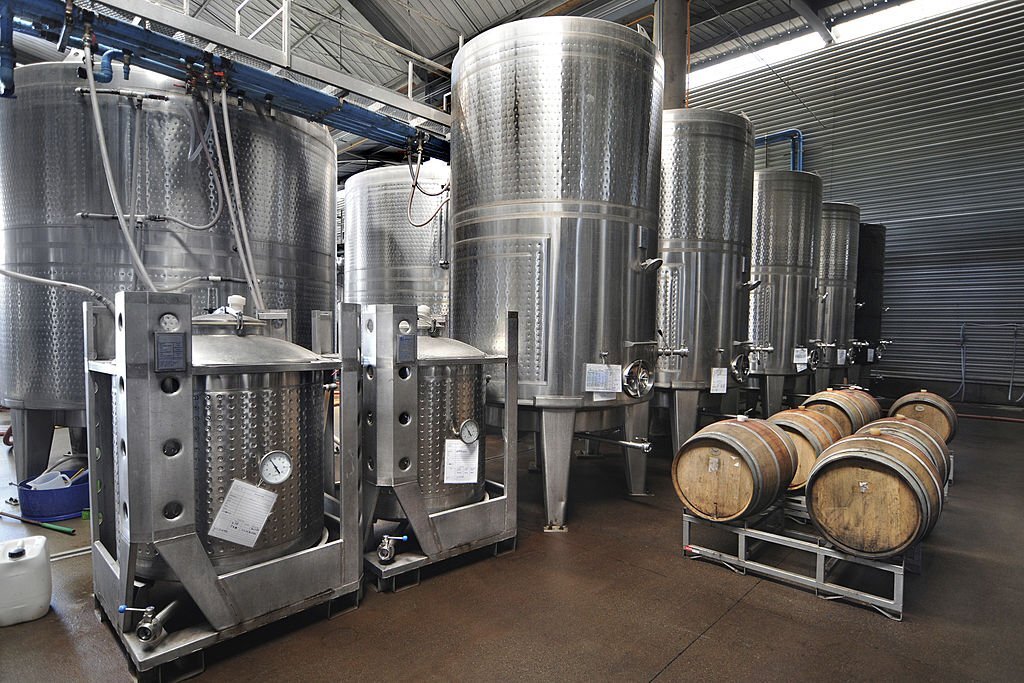
Brewery, winery & cidery production floors
Brewhouses, cellars and packaging rooms need different floor assemblies. We specify each area around what reaches the floor and how it is cleaned.
Our brewery flooring work in Vancouver includes new production spaces and restoration of existing resin floors. We review the concrete, liquid exposure, equipment layout and drain details before defining removal, repairs, installed thickness and reopening requirements.
Mash and kettle areas can combine hot discharge, wort, wet cleaning and heavy equipment. Fermentation rooms add product spills, tank bases and access around fixed vessels.
We review: the actual floor temperature during cleaning, caustic and acid products, exposure duration, tank plinths, drains and keg routes. Urethane cement is a strong starting point for demanding wet zones.
A dry packaging room may suit a different epoxy or broadcast resin build.
Crush pads, fermentation rooms and barrel cellars experience juice and wine spills, cleaning chemicals, rolling barrels and changing moisture conditions.
We review: fruit-acid exposure, hot cleaning, barrel handling, wet traction and drainage. Urethane cement or a suitable chemical-resistant epoxy-quartz assembly follows those conditions.
Tasting-room finishes are selected separately for appearance and daily care.
Fruit receiving, pressing and fermentation areas need a floor selected for sugars, organic acids, residue, washdowns and repeated cart movement.
We review: the cleaning routine, press and tank interfaces, drain routes and traffic. Wet processing can require urethane cement; suitable epoxy or broadcast resin may serve drier support areas.
Texture is assessed with the footwear and cleaning equipment used on site.
Planning a new facility or replacing a failing floor?
Send the room layout and your available shutdown dates.
Urethane cement · Epoxy · Broadcast resin
A complete specification identifies the products, thickness, preparation, texture and details. A resin name or coat count alone does not establish resistance to heat, chemicals or daily production traffic.
| System | Where to consider it | What the proposal should confirm |
|---|---|---|
|
Urethane cement (PU-cement) |
Brewhouses, pressing areas, wet cellars and tank rooms with demanding thermal, chemical or impact exposure. | Named product and thickness, service temperatures, chemical-resistance data, anchoring, coves and drain terminations. |
| Epoxy-quartz or aggregate-broadcast resin | Suitable production routes and packaging areas needing a textured wearing surface. | Actual cleaning temperature and chemistry, aggregate profile, sealed surface, moisture conditions and cleaning effort. |
| High-build epoxy | Selected dry packaging rooms, storage, corridors and support spaces. | Concrete preparation, installed build, moisture limits, wheel traffic, spill exposure and compatible finish. |
| Compatible protective topcoat | Specified epoxy or broadcast assemblies, including suitable tasting-room finishes. | Base compatibility, wear and UV requirements, chemical limitations and separate cure times for each use. |
Thickness matters. For example, Sika Canada's Sikafloor-19 NA PurCem is a heavy-duty trowel-grade product installed at 6–9 mm. That is a product-specific range, not a thickness rule for every brewery floor. Your assembly follows its own current technical data.
Drainage, coves & concrete preparation
Water collects at low points, residue gathers at edges, and repeated cleaning exposes weak terminations. We define these interfaces alongside the main floor area.
From the slab to daily use
Scope sequence, not a universal layer build. Primer, anchoring, reinforcement and topcoat requirements vary by system.
A finish coat follows the existing surface; it does not correct a low spot. Review levelling or sloping work as a separate measured item. Drain replacement and plumbing requirements need coordination with the appropriate trade.
Integral coves create a more accessible floor-to-wall transition. Confirm cove height, wall condition and the termination around tank legs, plinths and fixed equipment in the written scope.
Moving joints need suitable flexible details. A seamless resin finish alone is not a designed waterproofing assembly; suspended floors or areas over occupied space need their waterproofing requirements reviewed separately.
Cleaning chemistry, heat & traction
Heat and thermal cycling. Share the temperature that actually reaches the floor, how often cleaning occurs and whether hot discharge or steam is involved. Temperature resistance depends on the product and installed thickness.
Acids, sugars and cleaning products. List the detergents, sanitizers and process liquids, including their dilution, temperature and contact time. The selected manufacturer's chemical chart informs the recommendation.
Wet traction and cleanability. Review texture with your footwear, residues, squeegees and scrubbers. A useful sample shows how the finish feels and cleans under your operating conditions.
Dry packaging and tasting spaces have different priorities. Appearance, cart wear, sunlight and daily cleaning can lead to a different finish from the brewhouse or pressing room.
Brewery floor repair & restoration
Peeling resin, etched concrete and recurring drain-edge damage need different remedies. We review the existing material and the operating exposure before deciding what can remain.
Consider limited repairs where surrounding concrete and resin are sound and compatible. Define removal limits, repair material and the tie-in at the existing surface.
A worn surface may suit renewal after preparation and adhesion checks. Confirm the underlying assembly is still suitable for the room's heat, chemistry and moisture.
Widespread debonding, weak concrete or a system unsuitable for repeated cleaning can require removal. Repairs, drainage work and the new assembly are scoped together.
Include photographs taken after cleaning as well as close-ups of failures. Active leaks, persistent moisture and equipment-related movement may need further investigation before a flooring scope is finalized.
Installation around brewing & production
Plan backward from the next production run, including the first washdown.
Room-by-room installation may be possible where work areas, access and cleaning can be separated. We review fixed tanks, equipment moves, preparation dust, ventilation, deliveries and phase boundaries before proposing the sequence.
Confirm which vessels stay in place, what moves, who disconnects equipment and how adjoining food-production areas are protected. Agree the removal and preparation window.
Keep liquids, cleaning and traffic away from uncured work. Define transitions and a route for staff, materials and waste that avoids the installation area.
State separate cure requirements for walking, carts, equipment loading, product spills and chemical or hot-water cleaning. Installation completion is one milestone in that schedule.
Have a fixed shutdown window?
Send the dates, floor area and planned first use so we can
review the sequence.
Brewery flooring cost in Vancouver
Area is one part of the price. A sound packaging slab and a damaged wet brewhouse can require very different work, even at the same square footage.
From site review to daily care
Document room use, exposure, floor condition, drains, traffic and the production schedule.
Agree preparation, repair quantities, assembly, texture, details and installation boundaries.
Remove unsuitable material and mechanically profile the substrate to the selected system's requirements.
Carry out the included repairs, coves, drainage-related work, joints and terminations.
Apply the specified products at the required build under suitable substrate and ambient conditions.
Review the finish, cure restrictions and written care guidance. Retain system records for future maintenance.
Care after handover: use compatible cleaners, clear drains, remove abrasive debris and report new damage promptly. Review high-wear routes and drain edges when planning future maintenance.
Before you commit
Tell us how the floor is used and cleaned. The recommendation follows the actual room, slab and production routine.
Discuss Your Brewery FloorUrethane cement is often a strong starting point for demanding wet areas with thermal cycling, chemicals and impact. Suitable epoxy or broadcast resin can serve drier zones. The specified product, thickness, texture and details need to match the actual exposure.
It is commonly considered for harsher hot-washdown and wet-processing conditions. Epoxy can still suit selected dry packaging and support areas. Review the complete system's temperature and chemical data rather than choosing by resin name alone.
Wet crush, pressing and fermentation areas may require urethane cement or a suitable chemical-resistant broadcast system. Drier barrel storage, packaging and tasting spaces can have different requirements. Juice acids, cleaning products, washdown temperature and barrel or cart movement inform the specification.
Yes, after reviewing the cause and surrounding material. Local repairs or a compatible recoat may be possible where the existing assembly remains sound. Widespread failure or an unsuitable underlying system may require removal and replacement.
The flooring scope can include integral coves, drain-edge details and specified levelling or sloping work. Existing drain heights, plumbing changes and significant slab defects need review and coordination. The proposal identifies which items are included.
Phasing may be practical when production and work areas can be separated. Tank access, equipment moves, dust, liquids, ventilation and cure requirements determine the sequence. A shared wet room or drain route may require a full shutdown of that area.
The selected system and actual conditions govern the schedule. Walking, equipment traffic, spills and chemical or hot-water cleaning can have different cure limits. We define these milestones against the planned first production and sanitation cycles.
The assembly is selected after reviewing product names, concentrations, temperatures and contact times against the manufacturer's chemical-resistance information. Resistance to one cleaner or spill does not establish resistance to every chemical used in the facility.
Cost depends on area, removal, concrete repairs, moisture work, coves, drains, installed thickness, texture and shutdown access. A defined site-based scope lets you compare proposals meaningfully; square-foot pricing alone can omit significant preparation and detailing.
Usually it has a different specification. Appearance, sunlight, furniture, foot traffic and spill cleanup can favour a decorative or solid-colour finish. Production-zone heat, chemistry and washdowns are assessed separately.
Vancouver & the surrounding region
Based in Richmond, we assess brewery, winery and cidery floors in Vancouver, Burnaby, Richmond, Surrey, Delta, New Westminster, the North Shore, Tri-Cities, Langley and Abbotsford. Selected larger projects elsewhere in British Columbia are reviewed individually.
For other facility types and specialist areas, explore the relevant service below.
For related conditions, see washdown and chemical-resistant flooring , industrial resin floor systems and commercial flooring finishes .
Plan your next production floor
Share the room layout, floor photographs and shutdown dates. We'll review the conditions, discuss the system and arrange a free facility assessment.
info@priorityonepoxyflooring.com