
Production plants · Assembly lines · Processing areas
Manufacturing Facility Flooring Vancouver, BC
A floor specification that follows the way your plant operates.
Priority One Epoxy Flooring installs epoxy, urethane cement and selected ESD resin systems for manufacturing facilities across Metro Vancouver. We review production zones, concrete condition, wheel traffic, process chemicals and cleaning temperatures before planning the floor build and installation around your shutdown window.
Compare floor systems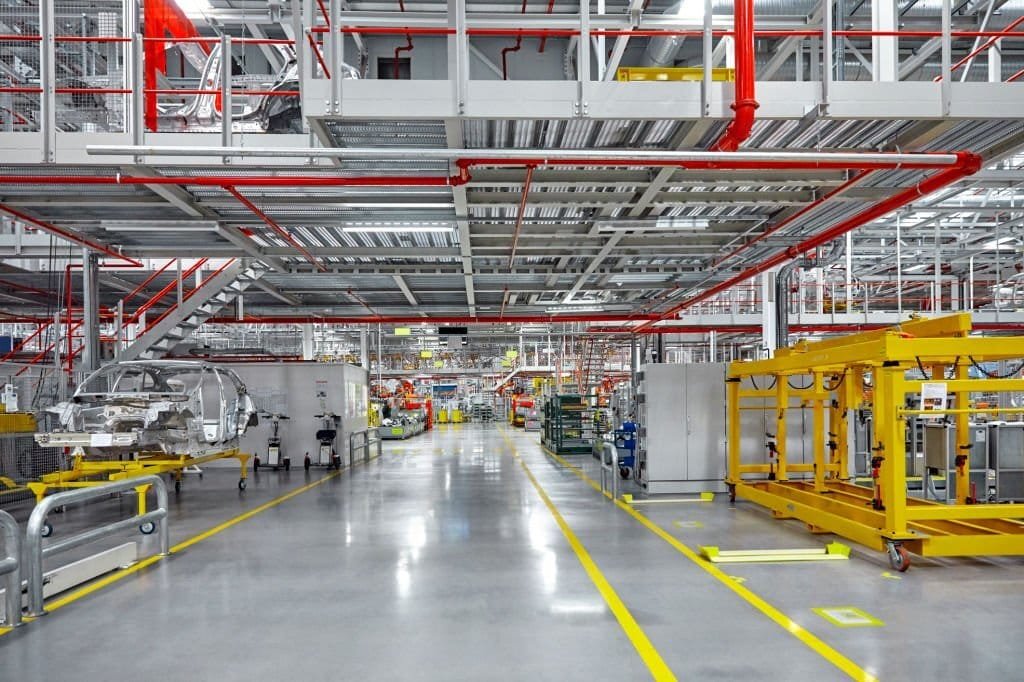
- Production-led
- Match the floor to each area's traffic, exposure and cleaning routine.
- Preparation first
- Review moisture, contamination, repairs and existing coatings before installation.
- Planned downtime
- Agree access, phase boundaries and return-to-service conditions before work starts.
Factory flooring, specified by area
One facility. Different floor requirements.
Manufacturing facility flooring in Vancouver needs to account for what happens between the production line, process rooms and shared routes. A dry assembly area and a hot washdown zone can require different resin builds, textures and details. Explore the areas below to see what should shape the specification.
01 Production & assembly Workstations, line-side traffic and inspection areas.
Consider high-build epoxy or a compatible broadcast system for suitable dry production areas. Review cart wheels, dropped parts, turning points, cleaning and the finish needed for visual inspection.
02 Packaging & line-side staging Packing equipment, pallet movement and product changeovers.
Define cleaning access around conveyors, pallet-jack routes and equipment bases. Balance a cleanable finish with traction and wheel wear. Larger storage and distribution areas have their own warehouse flooring requirements .
03 Wet processing & washdown Process water, cleaning temperatures and drainage.
Review urethane cement or another suitable specified build where water, thermal cycling and process chemicals demand it. Confirm thickness, cleaning temperatures, texture and drain terminations. Explore washdown flooring details .
04 Machinery & maintenance edges Oil exposure, service access and concentrated wear.
Identify leaks, contamination and the concrete condition around machinery before selecting the surface protection. Dedicated machining areas need a closer review of coolants and metalworking fluids through our machine shop flooring service .
05 Static-sensitive production Electronics assembly, testing and controlled work areas.
Define the required electrical performance, grounding, footwear, verification and cleaning routine before selecting an ESD floor. Coordinate electrical work with qualified personnel. See our dedicated ESD flooring service .
06 Shared routes & transitions Pedestrian paths, forklift crossings and room thresholds.
Map pedestrian and equipment movement with your plant team. Specify joint treatment, floor edges, thresholds and any colour zoning so transitions between systems suit the traffic and cleaning conditions.
Your floor plan is a useful starting point. Mark the wet areas, high-wear routes, chemical exposure and spaces that must remain accessible.
Choose the build around the process
Epoxy, urethane cement or ESD?
Start with the operating conditions. Chemistry, thickness, aggregate and protective topcoat are selected together; a product name alone does not define the finished floor's performance.
| System direction | Where it may fit | Confirm before specification |
|---|---|---|
| High-build epoxy | Suitable dry assembly, production and line-side areas needing a sealed, cleanable surface. | Slab moisture, wheel types, wear, contamination and the proposed chemical exposure. |
| Broadcast resin system | Areas needing an aggregate-bearing build or a more textured finish. | Aggregate, build thickness, traction under actual conditions, topcoat compatibility and cleaning effort. |
| Urethane cement | Selected wet processing areas with demanding cleaning or thermal conditions. | Temperature limits, thickness, chemical resistance, anchoring details, drains and cure conditions. |
| ESD resin system | Production and testing areas with defined static-control requirements. | Electrical limits, grounding, footwear compatibility, commissioning tests and ongoing verification. |
For chemical exposure, provide the product names or safety data sheets, concentration, temperature and contact time. We review the proposed system against current manufacturer information. General “chemical-resistant” wording is insufficient for a process-specific specification.
For broader resin build options, explore our industrial epoxy flooring service .
Concrete, joints & equipment interfaces
The details that keep the floor serviceable.
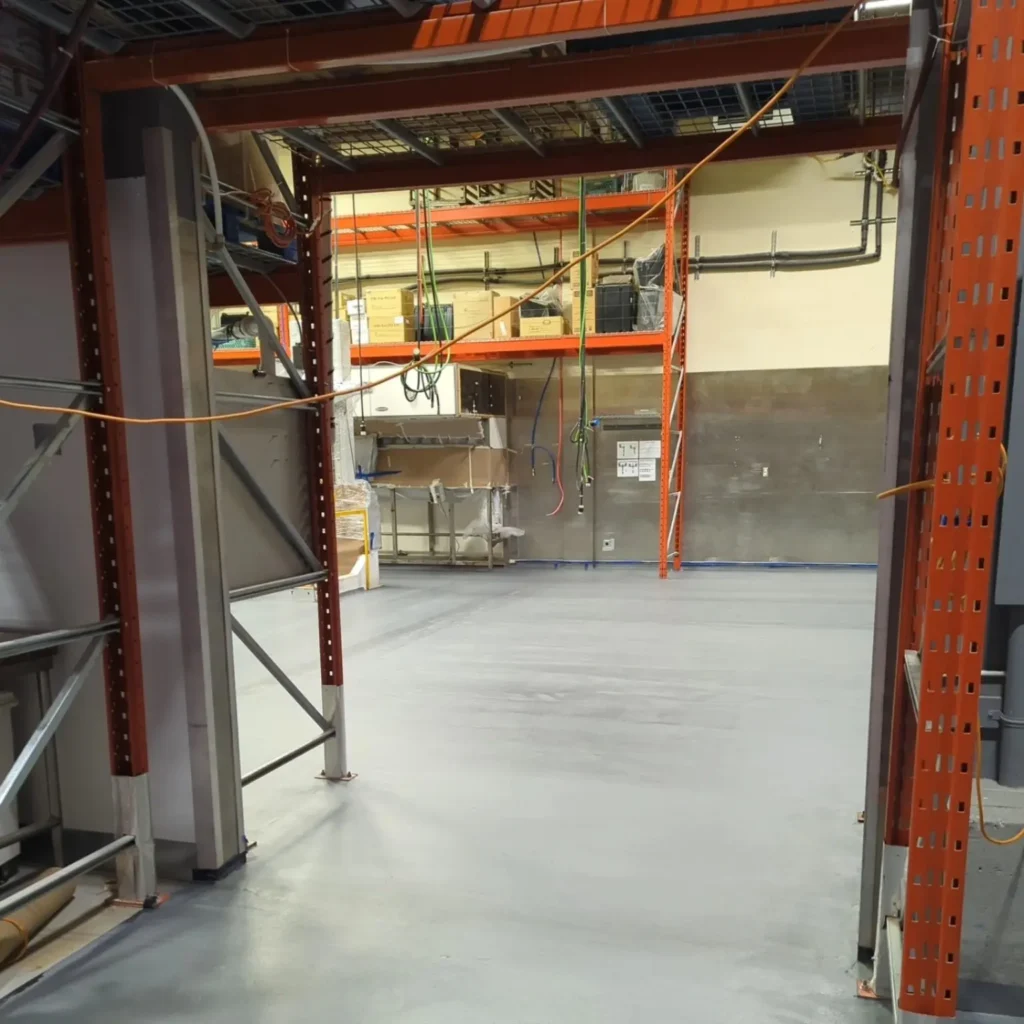
We assess the existing surface before defining the new finish. Slab condition, contamination, repairs and floor interfaces influence both the installation scope and the finished result.
- Moisture and bond readiness Review slab moisture and the selected system's limits. Remove unsound coatings and prepare the concrete mechanically; embedded oil may require further assessment or removal.
- Cracks, joints and damaged edges Distinguish repairable surface defects from moving joints. Agree repair materials, joint treatment and terminations before coating across production routes.
- Drains, cove and transitions Include required floor falls, drain connections, wall junctions and thresholds in the scope. A coating follows the substrate unless separate profiling or slope work is specified.
- Machinery and structural loads The resin finish protects the surface. Machine foundations, slab capacity, anchoring and vibration isolation require separate engineering review where applicable.
Access, sequence & return to service
Plan the shutdown before the floor.
Phased installation can be feasible when the layout, access and selected materials allow it. Preparation, repairs, ventilation and curing all need space in the schedule.
-
Map the operating zones
Agree floor areas, machine moves, isolation, safe access and the routes your team needs. Confirm which activities can continue during each phase.
-
Prepare and repair
Allow for coating removal, contamination treatment, mechanical preparation and agreed repairs. Review newly exposed slab conditions before the resin build proceeds.
-
Install and protect
Install the specified build, texture and details. Keep the area protected while the materials cure under the actual slab and ambient conditions.
-
Reopen by use
Confirm separate release times for foot traffic, equipment traffic and chemical exposure. Include agreed inspections, ESD verification where required and care instructions.
Have a planned maintenance shutdown or a production changeover?
Discuss your installation windowFrom our flooring portfolio
See the finish. See the preparation.
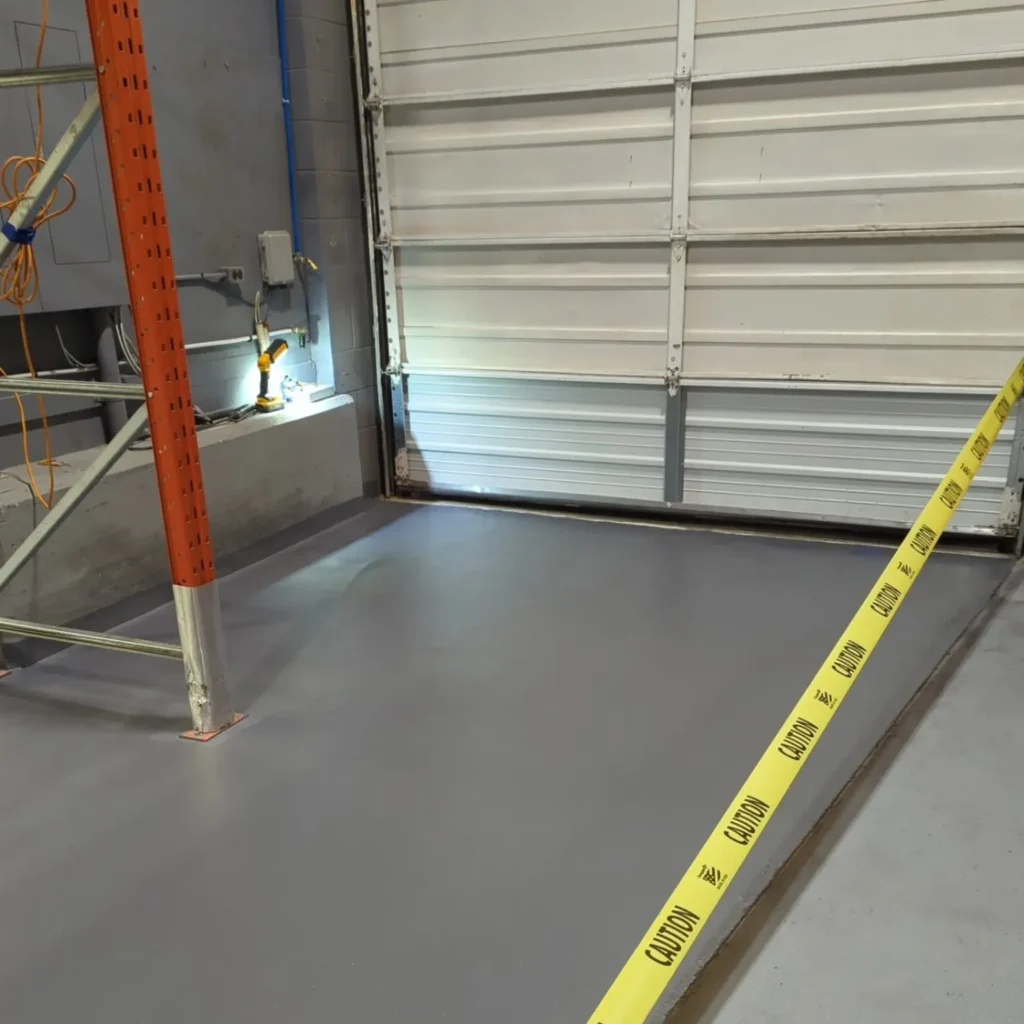
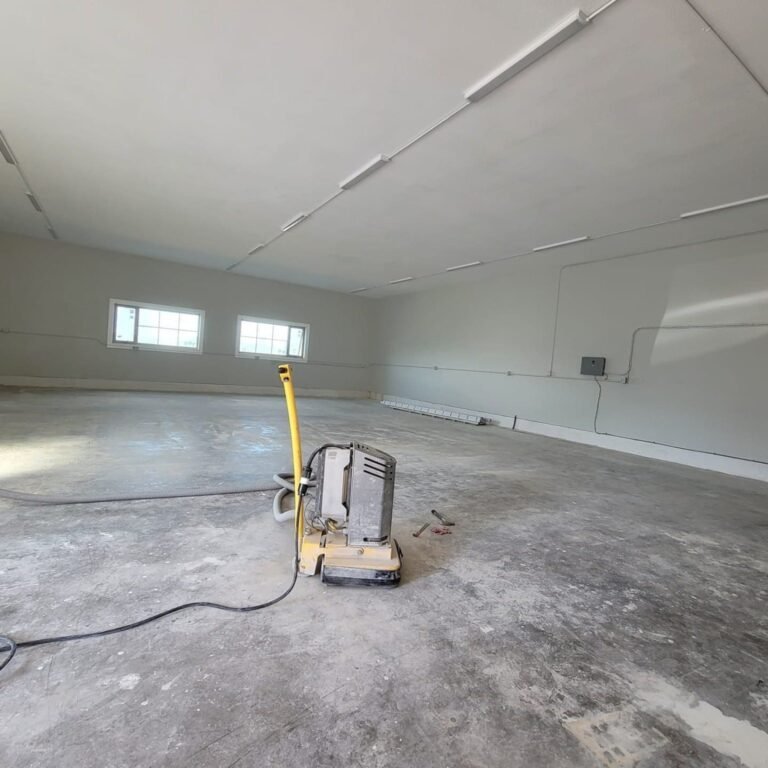
These industrial finish and concrete preparation examples show details worth reviewing when planning a plant floor. Ask which system, preparation and edge details apply to your facility.
Review more completed industrial finishes and project information.
Explore our industrial portfolioScope & manufacturing flooring cost
A useful quote explains the whole floor build.
Manufacturing flooring cost in Vancouver depends on the measured area, existing coatings, contamination, repairs, moisture conditions, system thickness and installation sequence. Drainage work, equipment access and multiple shutdown phases can materially change the scope.
What the proposal should cover
- Measured zones, proposed products, build thickness and finish texture.
- Preparation, coating removal, repairs and any moisture-related work.
- Joints, edges, coves, drains, transitions and agreed line marking.
- Phase boundaries, access responsibilities and return-to-service conditions.
- Itemized scope, exclusions, care instructions and applicable warranty terms.
Compare quotations using the same scope and release conditions. A square-foot rate alone can leave essential preparation or detailing outside the price.
Questions from plant & facility teams
Manufacturing flooring questions.
What flooring is best for a manufacturing facility?
The right direction depends on the process in each zone. High-build epoxy can suit selected dry production areas; urethane cement may fit demanding wet or thermal conditions. Static-sensitive production needs a defined ESD specification. Slab condition, traffic and cleaning requirements determine the final build.
Can epoxy flooring handle forklifts and production equipment?
A suitable resin build can protect the surface under specified equipment traffic. Wheel type, loading, turning, impact, thickness and substrate condition matter. The coating does not establish the slab's structural load capacity or replace engineered machine foundations.
When should urethane cement be considered instead of epoxy?
Consider it where wet processing, hot cleaning or thermal cycling exceed the limits of a proposed epoxy build. Confirm the actual product, thickness, chemicals, cleaning temperature and floor details; urethane cement formulations do not all have identical performance limits.
Can you install flooring in phases around production?
Phasing is possible on suitable projects. It depends on isolation, access, equipment relocation, preparation and material curing. The plan should identify which zones close, when traffic can resume and when the floor can receive the full process exposure.
Can a new system go over an existing coating?
The existing coating and substrate need assessment. Unsound material must be removed, and retained coatings require confirmed compatibility and bond readiness. Moisture or embedded contamination can require additional preparation, testing or a revised scope.
How is an ESD production floor specified?
Define electrical performance and verification requirements with the facility's ESD team. The proposed floor must be coordinated with grounding, suitable footwear, maintenance and commissioning. Electrical connections require qualified personnel, and the agreed tests must confirm the installed system before release.
How much does manufacturing flooring cost in Vancouver?
Pricing requires the area, substrate condition, removal and repairs, proposed build, details and shutdown plan. A measured, itemized quotation lets you compare the full installation scope. Send a floor plan, photos and operating conditions to begin the assessment.
Start with the production plan.
Share your floor conditions, operating requirements and shutdown dates. We will help define the next assessment and specification steps.