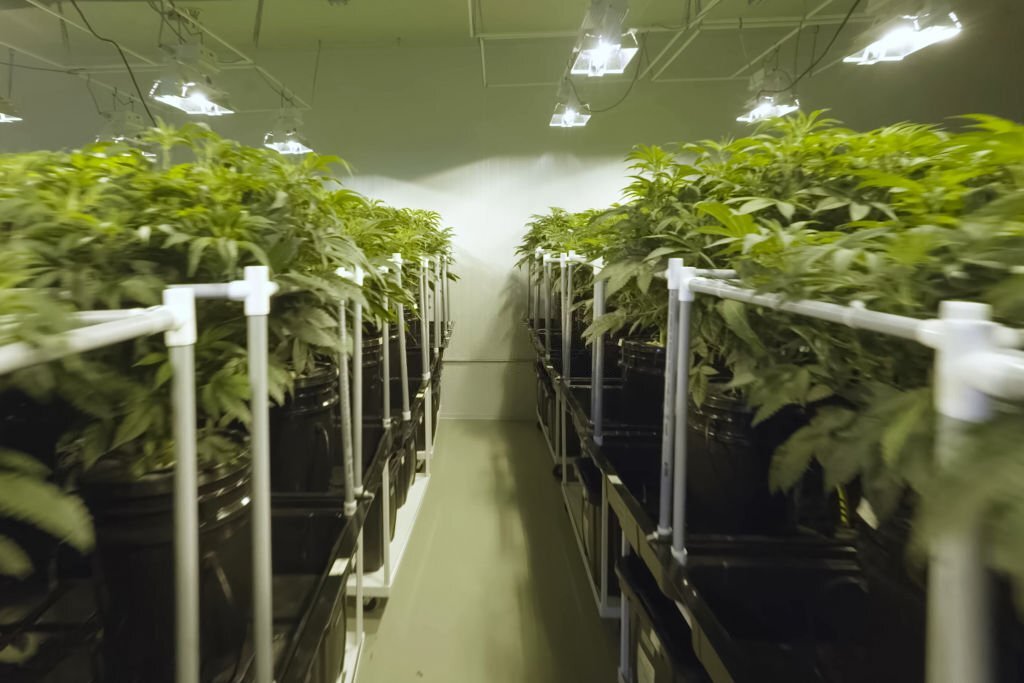
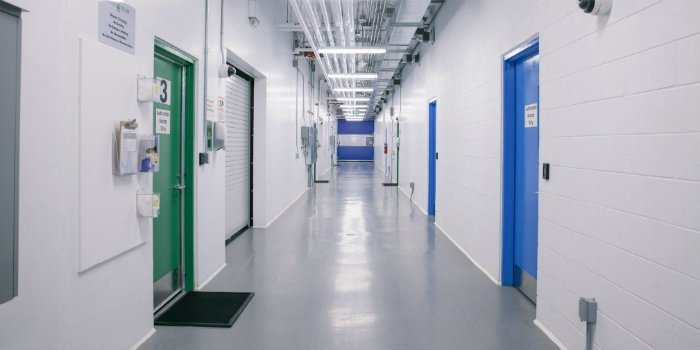
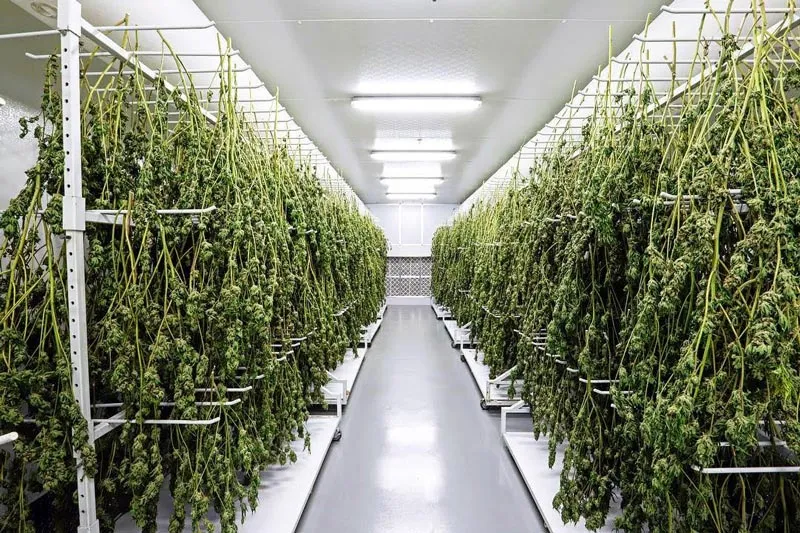
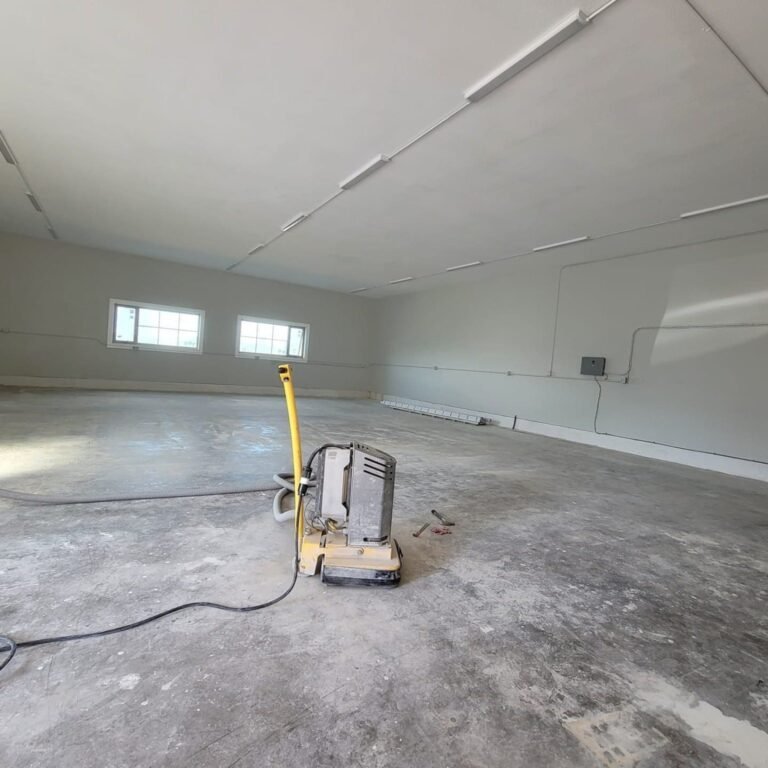
Vancouver, BC • Grow Rooms • Curing Rooms • Labs • Processing Areas
Cannabis Facility Flooring Vancouver, BC
Seamless • Hygienic • Built for Regulated Cannabis Facilities
Priority One Epoxy Flooring installs prep-first epoxy, urethane cement, and polyaspartic flooring systems for cannabis grow rooms, drying and curing rooms, extraction labs, wet corridors, and processing areas across Vancouver and the Lower Mainland. Our systems are selected by zone to improve cleanability, moisture resistance, chemical resistance, slip control, and long-term durability while helping facilities maintain cleaner, easier-to-manage interiors.
Built Around Active Operations
- Grow rooms & wet corridors
- Drying, curing & packaging zones
- Extraction, lab & support spaces
- Moisture review & system selection
Prep-First Resin Flooring for Grow, Cure, Lab & Processing Environments
Priority One Epoxy Flooring installs seamless cannabis facility flooring in Vancouver, BC for grow rooms, drying and curing rooms, extraction labs, wet corridors, packaging support areas, and processing spaces. We specify each system by room function, traffic level, moisture exposure, cleaning demands, and turnaround requirements so the finished floor is easier to maintain, more durable, and better suited to regulated interior operations.
See our main service hub: Epoxy Flooring Vancouver BC
Need a broader heavy-duty system for industrial environments? Industrial Epoxy Flooring
Zone-Specific Systems
We do not force one coating across the whole facility. Wet corridors, cure rooms, support spaces, and lab areas can each require a different flooring build.
Prep-First Installation
Grinding, crack repair, concrete remediation, and moisture-aware priming come first so the system is built on a stable surface, not a shortcut.
Built Around Operations
We plan phasing, access, cure windows, and off-hours work to reduce disruption in active commercial and regulated interiors.


Why Cannabis Facilities Need Specialized Flooring
Cannabis facilities combine the demands of cultivation, sanitation, material handling, and controlled interior operations. Floors may be exposed to humidity, irrigation overspray, nutrient salts, cleaning chemicals, rolling traffic, and frequent washdowns. Standard paints and thin coatings often break down quickly under these conditions, especially when concrete moisture, joint movement, or surface weakness are not addressed first.
A properly specified resinous flooring system helps create a cleaner, more durable, easier-to-maintain surface for grow rooms, cure rooms, wet corridors, labs, and processing support spaces. Seamless installation also reduces dirt traps, helps housekeeping move faster, and gives facility managers a more predictable maintenance path over time.
Common Flooring Problems in Grow & Processing Environments
- Moisture exposure: porous concrete can absorb water, nutrient residue, and washdown moisture, leading to staining, odours, and coating failure.
- Chemical wear: disinfectants, fertilizers, salts, and cleaning agents can soften or degrade weak finishes.
- Slip risk: wet traffic lanes need texture, but too much texture can make cleaning harder and trap residue.
- Joint and crack issues: damaged concrete edges, open joints, and slab movement create sanitation and maintenance headaches.
- Rolling traffic: carts, benches, pallet movement, and service equipment wear down underbuilt floors quickly.
- Operational downtime: frequent patching and coating failures interrupt housekeeping, access, and room turnover.
Recommended Flooring Systems by Area
Urethane Cement
A strong fit for wet corridors, washdown areas, nutrient mixing rooms, greenhouse aisles, and demanding service zones. Urethane cement is often selected where the floor must handle moisture, thermal variation, washdowns, and heavier-duty use.
High-Build Epoxy
A good option for grow rooms, drying rooms, curing areas, packaging support spaces, corridors, and cleaner interior zones where a dense, non-porous, easy-to-maintain finish is needed. Texture can be adjusted by area to balance traction, scrub-ability, and appearance.
Polyaspartic or Polyurethane Topcoats
Used where fast return-to-service, abrasion resistance, UV stability, or added chemical protection are important. These topcoats can help extend system performance in active commercial interiors when selected properly for the environment.
Hygienic Details
For selected rooms, we can incorporate integral coves, sealed perimeters, and easy-clean transitions to reduce dirt traps at wall lines, thresholds, drains, equipment pads, and service edges.
Designed for Cleanable, Easier-to-Maintain Interiors
Cannabis facility flooring should support smooth, durable, cleanable, and non-absorbent interior surfaces that stand up to regular cleaning and operational wear. Our specifications focus on the practical details that matter most in regulated commercial environments:
- System selection by room type, traffic, moisture, and cleaning exposure
- Concrete preparation, crack repair, and moisture-aware priming before coatings are installed
- Slip-tuned textures for wet lanes, support corridors, and frequently cleaned areas
- Optional coves and sealed terminations for easier perimeter cleaning
- Care and maintenance guidance at close-out for longer service life
The goal is not just a finished floor that looks better on day one, but a system that is easier to manage over the long term.
Our Installation Process
- Consultation and site review: We review room use, moisture exposure, cleaning methods, traffic, scheduling needs, and substrate condition.
- Surface preparation: We diamond grind or mechanically prepare the slab to remove weak surface material and create the right profile for adhesion.
- Concrete repair: Cracks, spalls, weak edges, and damaged joints are addressed before the coating system is built.
- Priming and moisture mitigation: Where conditions require it, we use moisture-aware primers or mitigation layers to improve long-term bond performance.
- System build: We install the specified epoxy or urethane cement system, with aggregate broadcast or texture where needed by zone.
- Topcoat and finish: The floor is finished for durability, cleanability, and the appropriate traction level for the environment.
- Handover: We provide care guidance and system information so the floor can be maintained properly after installation.
Room-by-Room Recommendations
Grow Rooms
These spaces usually benefit from dense, non-porous flooring with light or moderate texture so staff can move safely while still allowing routine cleaning to stay efficient.
Drying & Curing Rooms
High-build epoxy systems are often a strong fit where the goal is easy cleaning, clean visual appearance, and dependable day-to-day maintenance.
Wet Corridors & Irrigation-Exposed Areas
Urethane cement or more moisture-tolerant systems are often better where water exposure, washdowns, and frequent wet traffic are part of normal operations.
Extraction Labs & Support Spaces
These areas may need a more carefully selected chemical-resistant build depending on cleaning protocols, service loads, and adjacent operational requirements.
Packaging & Processing Support Areas
Smooth or micro-textured systems can help maintain a cleaner, brighter, more professional work environment while supporting regular housekeeping.
Budget, Downtime & Long-Term Value
Budget depends on square footage, slab condition, moisture levels, repair needs, cove requirements, texture choice, and system type. In many cases, the right flooring system reduces future patching, makes sanitation faster, and provides a more predictable maintenance cycle than bare or failing concrete.
We plan each project around access windows, cure time, and phasing so the flooring upgrade is coordinated with real facility operations rather than treated like a generic coating job.
Traditional Floors vs. Seamless Resin Flooring
| Feature | Uncoated Concrete / Tile | Seamless Resin Flooring |
|---|---|---|
| Cleanability | Pores, grout lines, and joints collect residue | Dense, more uniform surface that is easier to sweep, mop, and scrub |
| Moisture Resistance | More vulnerable to absorption, staining, and breakdown | System selection can improve resistance to washdowns and wet service areas |
| Maintenance | Frequent patching and harder-to-clean details | More predictable upkeep with fewer dirt traps and easier cleaning |
| Operational Appearance | Worn, dusty, or cracked surfaces can make interiors look tired | Cleaner, brighter, more professional-looking finish |
Benefits of Seamless Cannabis Facility Flooring
- Non-porous surfaces that are easier to clean and maintain
- Better resistance to moisture, cleaning chemicals, and daily operational wear
- Slip-tuned textures for wet lanes and active support areas
- Reduced dirt traps compared with porous or joint-heavy surfaces
- Cleaner-looking interiors with a more professional finish
- More predictable long-term maintenance planning
Why Priority One Epoxy Flooring
- Richmond-based team serving Vancouver and the Lower Mainland
- Prep-first installation with grinding, crack repair, and substrate remediation
- Moisture-aware system planning instead of one-size-fits-all coatings
- Room-by-room recommendations for grow, cure, corridor, lab, and support spaces
- Phased and off-hours scheduling available for active commercial environments
- Warranty-backed systems with care guidance at project close-out
Project Example — Fraser Valley Cannabis Facility
On one Fraser Valley cannabis project, the facility was dealing with staining, moisture-related wear, and harder-to-maintain corridor surfaces in areas exposed to regular cleaning and operational traffic. We recommended a system that addressed surface preparation, repair needs, traction control, and long-term cleanability rather than just applying a cosmetic topcoat.
The result was a cleaner, more durable finish that improved day-to-day maintenance and gave the client a flooring system better suited to the way the space was actually used.
Service Area
We focus on Vancouver, Richmond, Burnaby, Surrey, Coquitlam, New Westminster, North Vancouver, West Vancouver, Langley, Abbotsford, and the wider Lower Mainland. For larger commercial scopes, we also take on selected projects in other parts of British Columbia.
Frequently Asked Questions
What flooring is best for cannabis grow rooms?
It depends on how the room is used. Many grow rooms perform well with high-build epoxy, while wetter or more demanding areas may be better suited to urethane cement or a more moisture-tolerant build.
Is epoxy or urethane cement better for wet cannabis environments?
Wet service areas, washdown lanes, and harsher-use zones often lean toward urethane cement, while cleaner support spaces and certain grow or cure rooms may be strong candidates for epoxy. System choice should follow the actual exposure conditions.
Can you work around an active facility?
Yes. We can plan phasing, off-hours scheduling, and access sequencing so flooring upgrades are coordinated around active commercial operations wherever the scope allows.
Do you install coves and sealed perimeters?
Yes. Where the application calls for it, we can install integral coves, sealed edges, and cleaner transitions at perimeters and service details.
How do you deal with moisture in existing concrete?
We review slab condition and specify the flooring system accordingly. Where needed, moisture-aware primers or mitigation layers can be incorporated before the main build is installed.
Book a Free Cannabis Facility Flooring Assessment
Upgrade your grow, cure, corridor, lab, or processing support areas with a flooring system selected for cleanability, moisture resistance, durability, and easier long-term maintenance.