Existing floor
Removal, preparation, concrete condition, repairs and moisture-related requirements.

Retail stores · Boutiques · Showrooms
A considered finish.
A practical plan for your store.
Priority One Epoxy Flooring installs epoxy and resin floors for retail stores, boutiques and showrooms across Vancouver and the Lower Mainland. We match the finish to your displays, customer traffic, cleaning and concrete, then plan the work around your fit-out or reopening date.
Explore the finish directions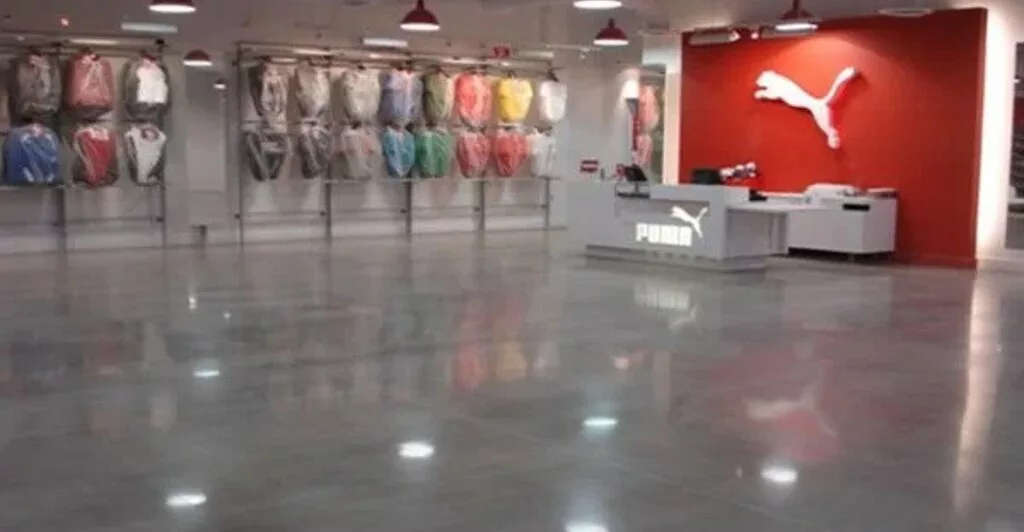
Designed around the store
Epoxy flooring for retail stores needs to look right on opening day and work through daily trading. Sales areas, rain-exposed entrances and delivery routes benefit from a coordinated design with the build and texture selected for each use.
Choose an area below to explore the details we assess.
Review product displays, customer routes, lighting and the movement of fixtures. Colour, pattern and sheen affect how the space feels and how readily it shows dust or scuffs.
Explore the finishesPlan for tracked-in rain, grit and repeated foot paths. Review practical traction, entry mats, cleaning and transitions to adjoining finishes.
Compare system directionsHard cart wheels, shelving, dollies and deliveries concentrate wear. Assess wheel routes, point loads, damaged concrete and joint edges when defining the resin build.
Review the installation scopeConfirm floor levels at doors, display bases and neighbouring tile, carpet or vinyl. Agree which fixtures move, how edges are finished and how the new floor will be protected during fit-out.
Plan the work sequenceColour · Pattern · Sheen
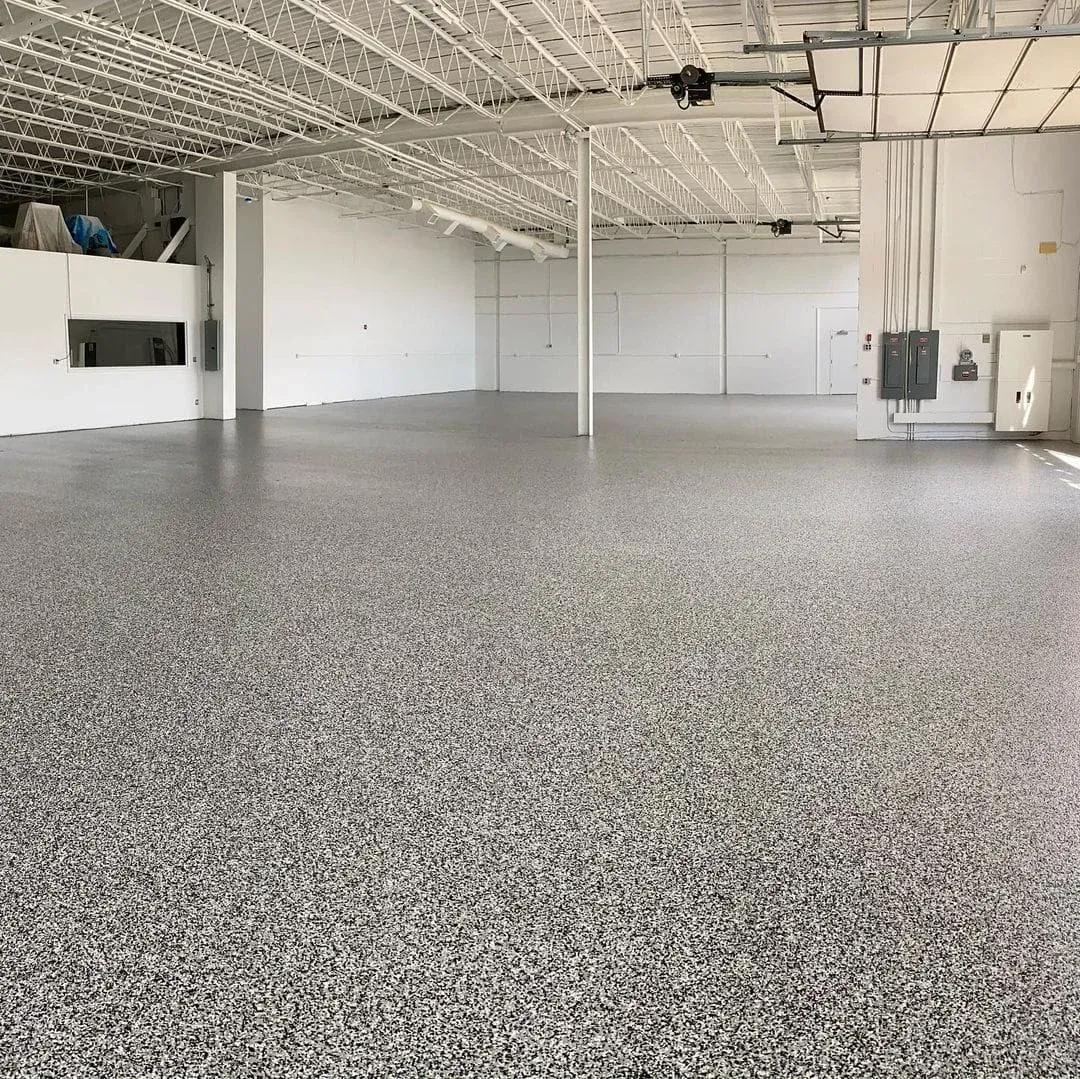
Review a physical sample under your store’s lighting. Discuss storefront sunlight, cleaning equipment and how the finish will sit beside shelving, millwork and merchandise.
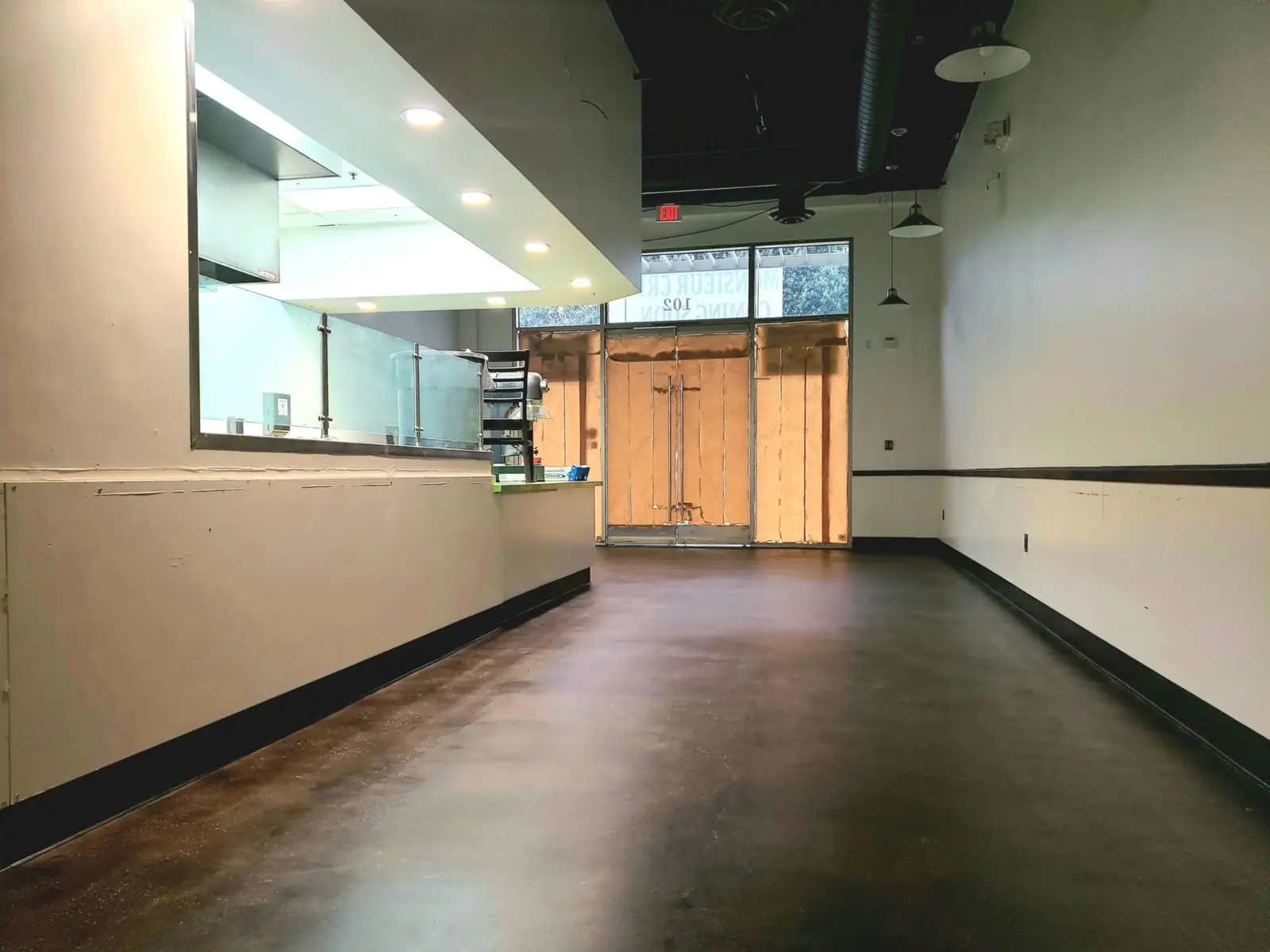
Bring a finish reference, your floor plan and the opening date.
Discuss Your StoreCompare the complete assembly
Preparation, primer, body layers and topcoat work together. Your proposal should identify the products, installed build, finish and details for each store zone.
| Floor direction | Where to consider it | Confirm before selection |
|---|---|---|
| Solid-colour epoxy | Suitable sales areas, stock rooms and coordinated support spaces. | Substrate condition, moisture limits, body thickness, wear coat and how the colour shows routine marks. |
| Flake or quartz broadcast | Patterned interiors, selected entrances and routes needing a textured finish. | Aggregate blend, texture, seal-coat build, footwear and the cleaning equipment available. |
| Decorative metallic resin | Boutiques, feature areas and showrooms seeking a flowing decorative effect. | Physical samples, natural variation, lighting and an exposure-appropriate protective finish. Explore metallic epoxy . |
| Polished concrete | Stores where the exposed slab and its character suit the design. | Visible repairs, aggregate, colour variation, stain protection and maintenance. Explore polished concrete . |
A compatible polyurethane or polyaspartic topcoat may be part of the resin assembly. Confirm its wear, sunlight and cure characteristics from the selected product data. Texture should balance traction with cleaning; no finish is slip-proof.
The details beneath the finish
Old adhesive, weak coatings, slab moisture and moving joints need decisions before the decorative finish is installed. We assess the existing floor and describe the preparation and repair work in the proposal.
Arrange a Free Site AssessmentReview removal, bond, contamination and the moisture assessment required by the proposed system. Existing finishes are not automatically suitable for an overlay.
Agree repair limits, moving-joint details, thresholds and transitions. A decorative coating does not stop structural movement or provide every waterproofing function.
Record the approved sample, texture and sheen, then confirm when people, fixtures, carts and cleaning can return.
New fit-outs & active stores
Walking on the floor, replacing shelving and opening to customers are separate milestones. We review store hours, landlord requirements, ventilation, access and the remaining fit-out work before proposing a sequence.
Phased or off-hours installation may suit the layout. Each work area still needs isolation, preparation, application and curing. The selected system and actual site conditions determine the available window.
Confirm fixture movement, stock protection, adjoining trades, delivery routes and the agreed work area.
Control access and protect the finished surface from ladders, wheels, debris and follow-on trades.
Confirm customer access, loading restrictions, the first cleaning and the final handover inspection.
Cost & written proposal
A useful price follows the existing floor, selected finish and installation access. A single square-foot rate can miss removal, repairs, moisture work and repeated phases.
Removal, preparation, concrete condition, repairs and moisture-related requirements.
Named products, thickness, aggregate, topcoat and sample or mock-up requirements.
Thresholds, edges, fixture access, work hours, protection and the number of phases.
Return-to-use milestones, care guidance, exclusions, taxes and the quoted warranty terms.
Send the project city, approximate area by zone, current floor photos, finish references and your opening or closure dates. Include landlord or designer specifications where available.
Before you choose
Practical answers for store owners, designers, commercial tenants and property teams.
The right choice depends on the substrate, design, traffic, cleaning and schedule. Epoxy or decorative resin can suit many concrete-based retail interiors. Comfort, acoustics and other facility requirements may lead the project team to compare alternative materials.
They create different results. Resin provides a designed colour, pattern and wearing surface; polished concrete exposes the slab and its variations. Compare the actual concrete, desired appearance, stain protection, maintenance and renovation scope before choosing.
Review texture, footwear, tracked-in contaminants, entry mats and cleaning together. The selected finish should balance traction and practical soil removal. No coating makes an entrance slip-proof.
Only after reviewing the assembly. Loose materials, unsuitable adhesive, contamination or moisture may require removal and repair. Bond, movement, finished height and manufacturer requirements determine whether an overlay is appropriate.
Some projects can fit a short closure or phased schedule. Preparation, repairs, material build and cure conditions determine the window. Confirm separate timing for walking, shelving, carts, customer traffic and cleaning before committing to a reopening date.
Remove grit regularly and clean spills promptly. Use the cleaners, dilution, pads and equipment approved for the installed system. Review furniture protection, cart wheels and the entry-mat program, and follow the care guidance provided at handover.
Vancouver & the Lower Mainland
We assess retail fit-outs and renovations across Vancouver, Metro Vancouver and the Lower Mainland. Shared mall areas, food retail and vehicle showrooms have their own operating requirements.
For offices and other business interiors, explore our commercial epoxy flooring service .
Plan your next retail floor
Share your floor photos, approximate area and preferred dates. We’ll review the existing floor, discuss the finish and arrange a free site assessment.