Braking & hill starts
Review downhill stopping points, uphill acceleration and queues at gates. Confirm the aggregate and wear layers for these concentrated wheel paths.

Vehicle & industrial ramps · Vancouver & the Lower Mainland
Grip where it matters.
Protection beneath the finish.
Priority One Epoxy Flooring installs textured ramp coatings for parkade entrances, loading ramps and commercial service access. We plan the concrete preparation, wear layers and reopening around your slope, traffic and waterproofing requirements.
Find the right system for your ramp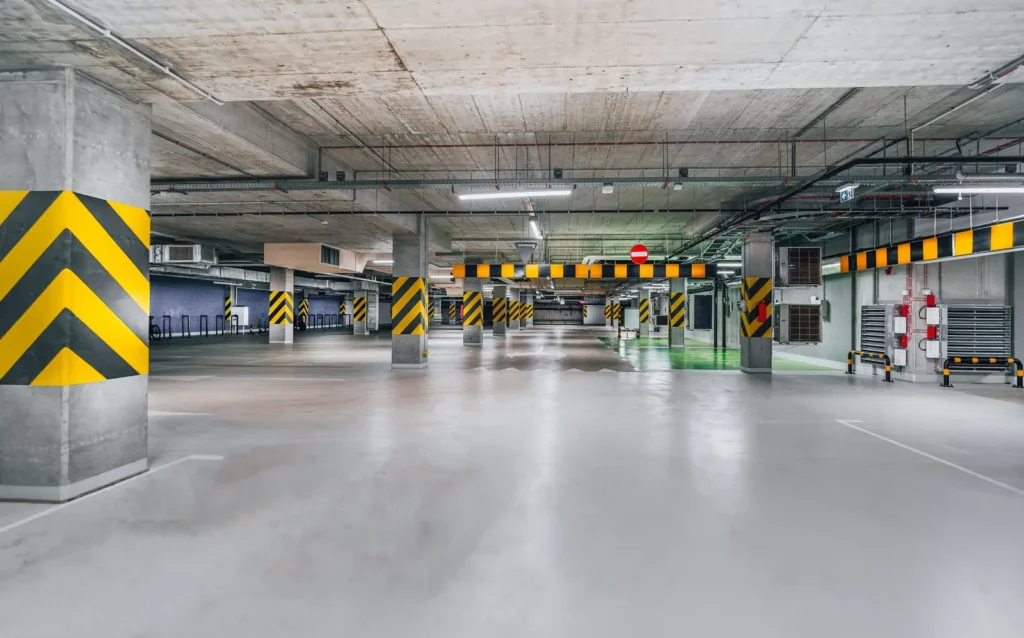
The surface has a harder job
Ramp floor coating combines a textured wearing surface with a system selected for the concrete beneath it.
Braking downhill, accelerating uphill and turning on an incline concentrate stress along wheel paths. Rain, grit, oil and de-icing salts add to the exposure. A floor finish chosen for a flat interior may need a different build on a ramp.
We assess traction, wear and waterproofing together, then define the preparation, repairs and coating assembly in a written proposal.
Start with the way it is used
Select an area to explore the conditions that guide the coating recommendation.
Wet tires, downhill braking and tight turns can wear the surface faster than adjacent parking stalls.
We review: gradients, wheel paths, entry drains, slab movement and existing membrane details. A suspended ramp with a waterproofing requirement needs a compatible vehicular traffic assembly.
Compare the coating directionsForklift tires, small hard wheels and repeated load movement place concentrated demands on the wearing surface.
We review: wheel type, loads, turning routes, impact, dock transitions and contamination. The ramp build follows these conditions; the surrounding loading bay may require a separate finish.
See preparation prioritiesService entrances connect outdoor conditions with workshops, fleet facilities and maintenance areas.
We review: tire traffic, oil exposure, wash water, thresholds and available closure periods. Texture must work with your maintenance routine as well as the incline.
Plan access and reopeningShort ramps between floor levels can receive frequent cart, pallet-jack and equipment traffic.
We review: substrate stability, wheel paths, wet cleaning, chemicals and edge details. High-build broadcast resin or selected urethane-cement systems may suit the operation.
Define your project scopeCompare the complete assembly
“Epoxy” and “traffic coating” describe different system directions. The structure, exposure and product specification determine which is appropriate.
| System | Where to consider it | What to confirm |
|---|---|---|
| Flexible vehicular traffic membrane | Suspended parkade ramps and vehicle access areas with a specified waterproofing requirement. | Crack treatment, membrane continuity, drains, joints, heavy-duty wear course and exterior exposure rating. |
| High-build epoxy / quartz broadcast | Suitable stable internal or slab-on-grade ramps without a movement-bridging waterproofing requirement. | Concrete profile, moisture limits, resin thickness, aggregate texture and resistance to turning wheels. |
| Urethane cement | Selected industrial ramps exposed to impact, wet cleaning or demanding process conditions. | Approved application on the incline, thickness, anchoring, chemical and temperature limits. It is not a substitute for a flexible traffic membrane. |
| Fast-cure vehicular system | Projects with a limited closure window, where the specified system and site conditions permit faster reopening. | Vehicular and ramp rating, preparation time, ventilation, application conditions and the full return-to-traffic schedule. |
Exterior ramps also need an assembly selected for UV exposure, rain and seasonal conditions. A UV-stable topcoat alone does not make every underlying resin system suitable outdoors.
Technical references: Sika Canada vehicular traffic systems Tremco Vulkem EWS vehicular system.
Know the ramp location and closure window? Start with those details.
Discuss Your RampAttention to the hardest-working areas
The coating design should recognise where traffic slows, changes direction or climbs. Reinforcement follows the selected manufacturer's heavy-duty ramp details.
Review downhill stopping points, uphill acceleration and queues at gates. Confirm the aggregate and wear layers for these concentrated wheel paths.
Assess tight turns and helical routes where tire scrub increases wear. The texture, resin build and transitions need to work together.
Check water entry, worn thresholds and membrane terminations. Ponding and defective drainage need their own repair scope; a coating alone will not correct the gradient.
The work beneath the finish
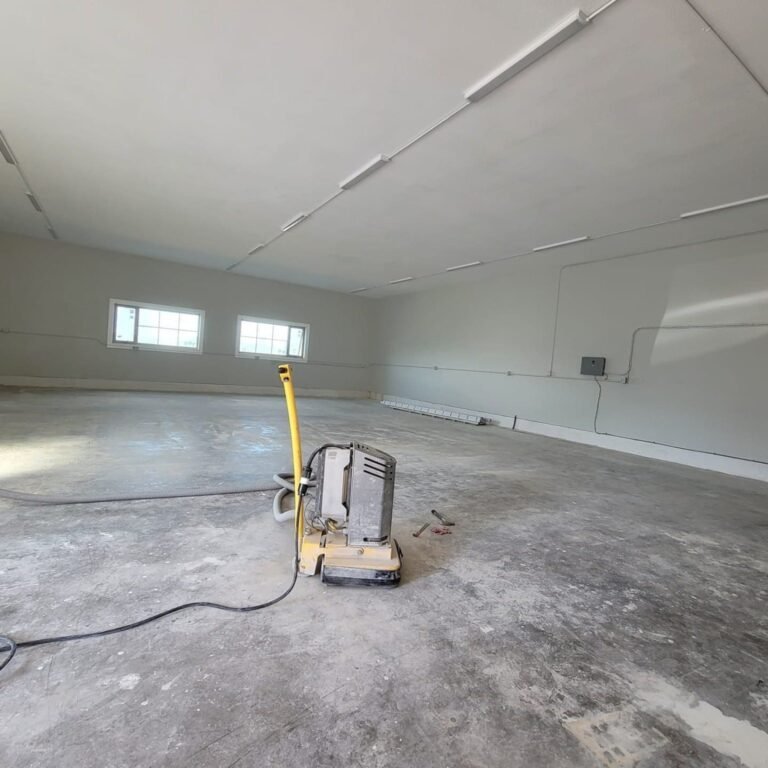
Inspect existing adhesion, contamination, weak concrete, cracks, joints and moisture-testing requirements. Decide whether the existing coating is suitable for a compatible recoat or needs removal.
Use mechanical preparation suited to the ramp and specified surface profile. Complete agreed spall repairs and crack treatment; detail drains, thresholds and membrane tie-ins. Keep movement joints functional.
Apply the specified primer, base, aggregate wear layers and finish under suitable conditions. Check coverage and thickness as required, complete agreed markings, and confirm curing before release to traffic.
Structural distress, exposed reinforcement or active slab movement may need an engineer's assessment and a separate repair design before coating.
Plan the access before the installation
A ramp can be the only vehicle route into a working property.
Phasing depends on usable width, alternate routes, work-area separation and the coating sequence. A single narrow entrance may require a full vehicle closure. We discuss that constraint before proposing dates.
Fast-curing materials may shorten one part of the schedule. Removal, concrete repairs, weather protection and detailing still take time.
Confirm vehicle relocation, deliveries, pedestrian access, barriers and any agreed evening or weekend work.
Coordinate ventilation, dust control, rain protection and separation from live traffic. Maintain the agreed access arrangements.
State when foot traffic, vehicles, heavy equipment and washing can resume. Manufacturer cure requirements and actual site conditions govern reopening.
Budget and written scope
A sound internal ramp and a leaking suspended entrance can have the same area but need different preparation, details and coating systems. We provide a project-specific quote after reviewing those conditions.
Measured sloped surface area, existing coating removal, contamination, moisture-related work and the extent of agreed repairs.
Named products, required installed thickness, waterproofing layers where specified, aggregate wear course and compatible finish.
Joints, drains, edges, thresholds, markings, equipment access, temporary protection and any phased working requirements.
Cure restrictions, cleaning guidance, scope exclusions, applicable taxes and the written warranty terms for the quoted work.
Before you commit
The right recommendation starts with the structure, operating conditions and the cause of any existing failure.
A suspended ramp that needs waterproofing may require a flexible vehicular traffic membrane with a heavy-duty aggregate wear course. A suitable stable interior slab-on-grade ramp may use high-build epoxy or quartz-broadcast resin. The correct assembly follows the structure, traffic, slope and exposure.
Texture can improve traction, but performance depends on the gradient, tires or footwear, contamination, water and maintenance. We consider a texture sample or mock-up where appropriate. No coating is slip-proof, and ice, oil or standing water still need to be controlled.
A sound, compatible coating may be suitable after assessment and preparation. Poor adhesion, delamination, moisture problems or a failed waterproofing assembly may require partial or full removal. A new wear coat will not resolve an underlying failure.
Yes, subject to suitable concrete and installation conditions. The complete system must suit outdoor exposure, drainage, UV, traffic and any movement or waterproofing requirement. Application and cure need appropriate temperatures and protection from rain.
The closure includes removal, repairs, installation and curing. Timing depends on the specified products, temperature, moisture conditions and access arrangements. We provide a proposed sequence and return-to-use requirements; a narrow sole-access ramp may need a full closure.
Yes. We assess forklift and cart wheels, loads, impacts, fluids and cleaning conditions. Suitable broadcast resin or urethane-cement systems may be considered, with the ramp gradient, terminations and manufacturer's application requirements reviewed.
Agreed crack and spall repairs, directional arrows, stop bars, lane lines and hazard markings can form part of the proposal. Structural repairs, drainage changes and movement-joint work are assessed separately and clearly defined in the scope.
Protect the wearing surface
Clean oils and debris promptly using compatible methods. More aggressive texture may require different cleaning equipment from a smooth floor.
Check turns, stopping points and uphill wheel paths for lost aggregate or exposed layers. Address local wear before damage spreads.
Keep drains clear and inspect joints, edges and membrane tie-ins. Follow the agreed care guidance and arrange compatible repairs when required.
Vancouver and the surrounding region
Based in Richmond, Priority One serves commercial, strata and industrial properties in Vancouver, Burnaby, Richmond, Surrey, Delta, the North Shore and Tri-Cities.
Explore our service areasPlan your next ramp coating
Share your photos, approximate ramp area and available closure window. We'll review the conditions, discuss the system and arrange a free site assessment.