Beverage production
Review filling lines and wet processing, or explore brewery, winery and cidery floors.
Beverage plant flooring ↗
Food plants · Production rooms · Metro Vancouver
Specified for the process. Detailed for the cleaning routine.
Priority One Epoxy Flooring installs food processing flooring for wet production, dry packaging and sanitation areas. We assess the concrete, cleaning temperatures, chemicals and traffic before selecting epoxy or urethane-cement systems, cove details and an installation plan around your production schedule.
Compare food plant floor systems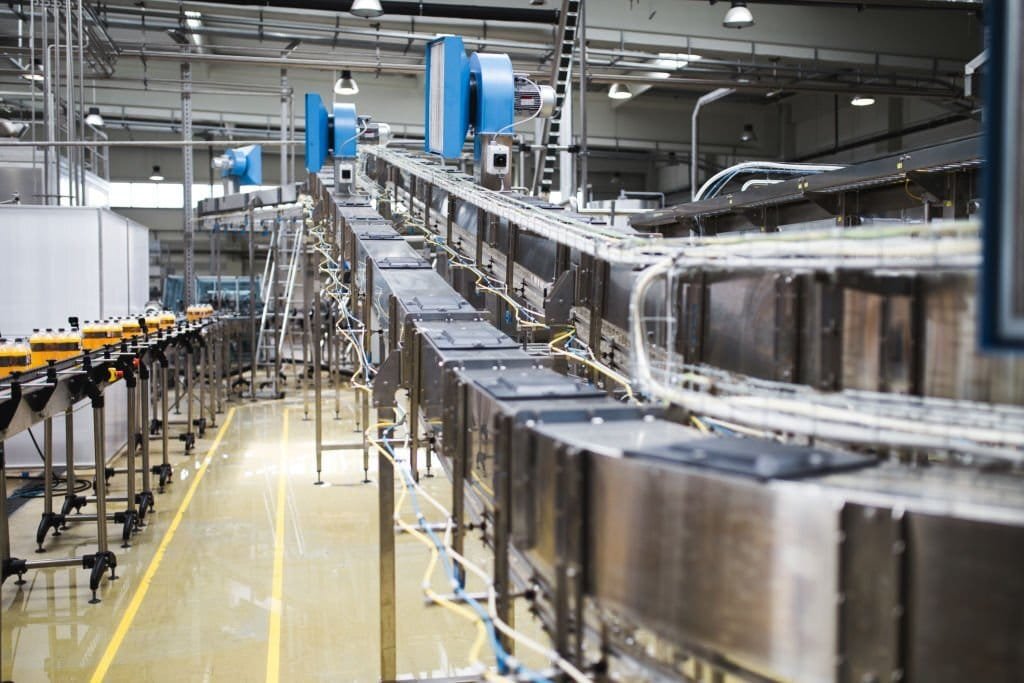
Food manufacturing flooring, planned by room
Food and beverage processing flooring must account for product spills, cleaning chemistry, water, temperature and movement through the facility. A dry packaging room and a hot washdown area can require very different floor builds. Open a process zone below to see what we review.
Review cleaning temperatures, hot-water exposure, process liquids and thermal cycling. A suitable urethane-cement build may be appropriate; thickness, drainage and edge details need to match the specified system.
High-build epoxy can suit selected dry areas. Assess pallet jacks, wheeled racks, ingredient residues, moisture and cleaning access. Define a finish that suits both movement and the sanitation routine.
Identify acids, sugars, oils and other process liquids by concentration, temperature and contact time. Review drains, equipment feet and cleaning access before selecting a resin system for the exposure.
Provide cleaner and sanitizer information, including dilution and dwell time. Check product-specific resistance and detailing around chemical handling areas. A general chemical-resistance claim does not cover every cleaning agent.
Review operating and installation temperatures, condensation, defrost cycles and traffic at transitions. Existing moisture or ice must be addressed, and installation conditions must satisfy the proposed system.
Map forklift turns, pedestrian routes, thresholds and joints between rooms. Define the traffic, contamination controls and access each route needs during installation and normal operation.
A marked floor plan helps. Identify wet and dry rooms, drains, process temperatures, worn areas and routes that must remain accessible.
Epoxy & urethane-cement flooring for food plants
Chemistry, thickness, aggregate, substrate preparation and detailing work together. The finish needs to suit the production process and the way the room is cleaned.
| System direction | Where it may fit | Confirm before specification |
|---|---|---|
| Urethane cement | Selected wet processing areas with demanding cleaning temperatures or thermal cycling. | Product, thickness, temperature limits, chemical exposure, anchoring details and drain interfaces. |
| High-build epoxy | Suitable dry production, packaging and support rooms requiring a sealed, cleanable surface. | Slab moisture, contamination, wheel traffic, impact and the proposed cleaning and spill exposure. |
| Quartz-broadcast resin finish | Areas where an aggregate-bearing finish is appropriate for texture and wear. | Underlying resin chemistry, aggregate, topcoat, traction and cleaning effort. Texture alone does not establish heat or chemical resistance. |
| Selected fast-cure resin system | Suitable areas with a limited installation or shutdown window. | Exposure compatibility, application temperature, ventilation, full cure and separate traffic and chemical-service release times. |
An example of a defined specification: Sikafloor-20 NA PurCem is a trowel-grade polyurethane-cement system applied at 6–9 mm. Sikafloor-29 NA PurCem is a coving and detailing mortar.
These are product examples to review where appropriate. The project specification must confirm the full build, preparation, exposure limits and cure conditions using current manufacturer information.
For broader resin floor options, explore our industrial epoxy flooring service.
Cleanability is in the details
A continuous resin surface still needs properly designed interfaces. We review the room's drainage, wall junctions, equipment bases and movement joints before defining the installation scope.
CFIA's preventive-control guidance addresses cleanability, suitable materials and drainage. We coordinate the flooring scope with your facility requirements. A coating alone does not certify a food-safety program or guarantee an inspection outcome.
From our project portfolio
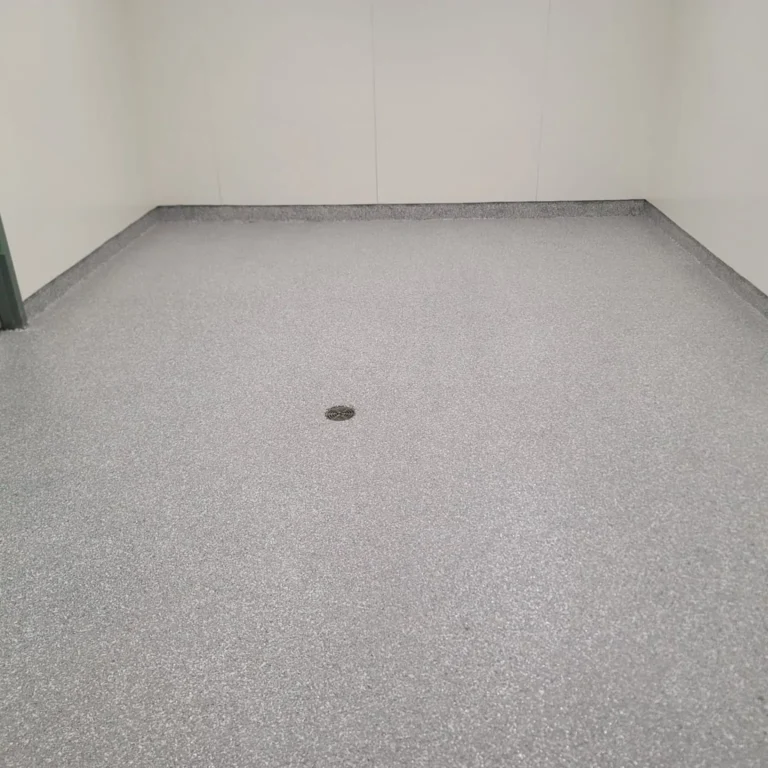
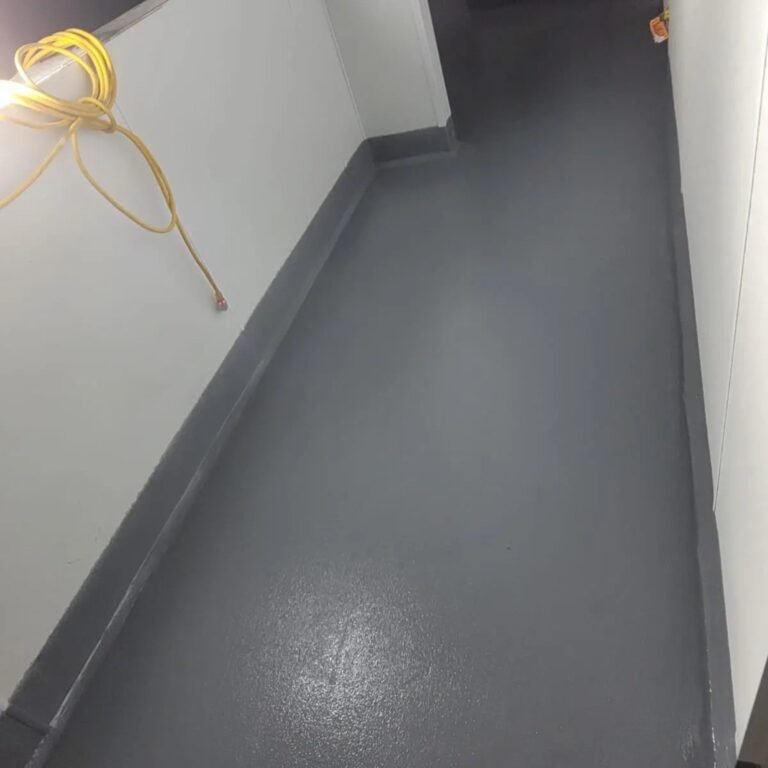
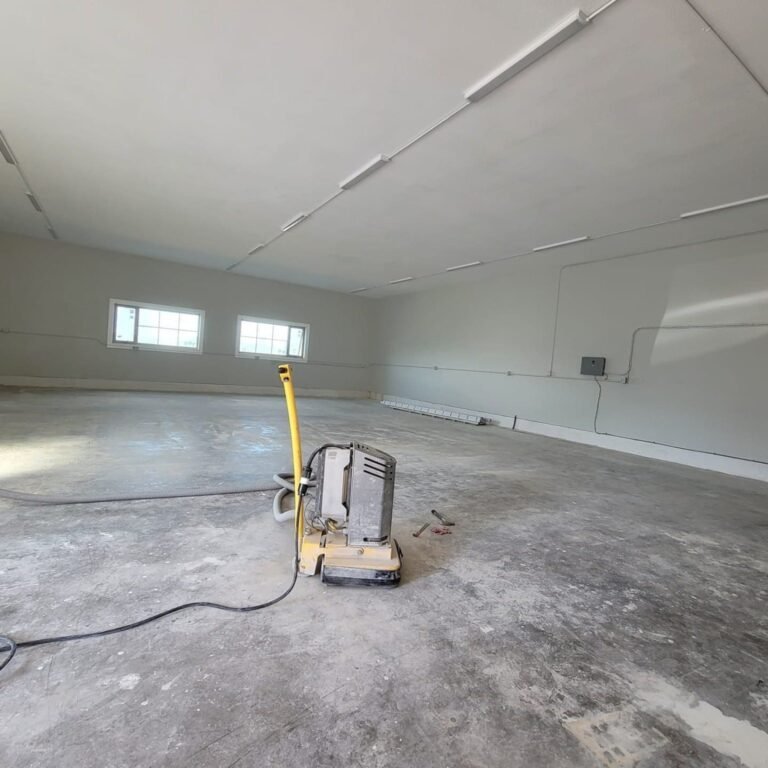
Food-service flooring and concrete preparation examples from our wider portfolio show workmanship worth reviewing. Your processing facility is assessed against its own operating conditions and floor specification.
Replacing a worn floor or planning a new processing area?
Discuss your facilityShutdowns, isolation & return to service
Preparation, repairs, area isolation and curing all need space in the schedule. Phasing is assessed with your operations and food-safety teams against the layout and selected materials.
Map rooms, process exposure, cleaning, drains and traffic. Confirm the floor specification, shutdown dates and access requirements.
Agree equipment and product removal, isolation and preparation controls. Remove unsuitable coatings, mechanically prepare the slab and complete scoped repairs.
Install the specified build, coves, texture and details. Protect the work during cure and maintain the agreed boundaries between operating areas.
Confirm traffic and chemical-service cure conditions, care instructions and facility cleaning requirements before your team restarts the area.
Have a planned sanitation shutdown, production changeover or renovation?
Review your installation windowFood processing flooring cost & scope
Food plant flooring cost depends on the measured area, removal, contamination, repairs, moisture, system thickness, coves, drainage details and shutdown phases. Small or highly detailed rooms can have a different cost profile from open production areas.
An itemized scope makes quotations easier to compare. Confirm drainage corrections and other enabling work before relying on a square-foot rate.
Questions from facility & production teams
The right build depends on the room. Urethane cement may suit demanding wet or hot-cleaning areas; high-build epoxy can suit selected dry production and packaging spaces. Substrate condition, process chemicals, traffic, temperature and cleaning determine the specification.
Epoxy can be suitable where its specified performance matches the exposure. It is not interchangeable with every urethane-cement system. Review actual chemical contact, cleaning temperatures and thermal cycling before selecting the resin, thickness and finish.
Ask which material documentation, intended use and facility requirements the term refers to. The label alone does not establish a complete floor specification. Flooring must be coordinated with drainage, cleaning, maintenance and the facility's food-safety requirements.
Texture needs to suit the contaminants, footwear, traffic and cleaning equipment. Excessively rough surfaces can be harder to maintain, while an overly smooth wet surface can present traction problems. Review a sample and the proposed cleaning method for the room.
A cove addresses the wall-to-floor junction. A thin coating generally follows the existing slab and does not correct significant ponding. Falls, drain levels and damaged drain edges need assessment, with appropriate repairs or screeds scoped where required.
Phasing can be feasible where access, isolation, equipment moves and curing allow it. The sequence must account for preparation work and the facility's operating controls. Some rooms may need a full shutdown; the plan should define that before work begins.
Traffic readiness and chemical-service cure can differ. Release times depend on the system, repairs, thickness and actual installation conditions. Confirm the cleaning temperature, chemicals and restart conditions against current manufacturer information and the agreed handover plan.
Pricing requires the measured rooms, slab condition, removal and repairs, floor build, coves, drainage details and installation schedule. Send a plan, photos and exposure information for assessment. Compare itemized quotations using the same scope and reopening conditions.
Explore your facility type
Richmond-based · Metro Vancouver service
Share your room plan, cleaning conditions and production schedule. We assess food and beverage flooring projects in Vancouver, Richmond, Burnaby, Delta, Surrey, Coquitlam and Langley. Larger Fraser Valley and BC projects are reviewed around scope, access and mobilization.
View our service areas