Deck & substrate
Concrete, steel, aluminum, existing membrane, previous coating, repairs, joints, penetrations and known structural movement.

Helipad Coating Contractor • Vancouver & British Columbia
A helicopter landing area is not an ordinary epoxy floor. The correct coating direction depends on whether the deck is rooftop, elevated or at grade; whether the substrate is concrete or metal; whether waterproofing is required; and what the heliport operator, consultant and approved project documents require.
Priority One Epoxy Flooring provides surface preparation and resin-coating installation for helipad renewal projects in Vancouver, Metro Vancouver and communities across British Columbia. We assess the existing surface, coordinate repairs and install the selected wearing surface, texture and markings in accordance with the approved scope. We do not replace the heliport designer, structural engineer, aviation consultant or authority having jurisdiction.
Start With the Existing Deck
No single coating build is right for every helicopter pad. The site investigation and project specification should decide the system—not a generic product name.
Concrete, steel, aluminum, existing membrane, previous coating, repairs, joints, penetrations and known structural movement.
Visible ponding, cracks, delamination, moisture conditions, drains, scuppers, transitions and vulnerable building openings.
UV, rain, freeze-thaw cycling, cleaning products, hydraulic fluids, fuels and other substances identified by the operator.
Required traction, drainage, cleanability and the approved test or acceptance criteria for the completed wearing surface.
Current approved dimensions, colours and layout for the heliport identification, aiming point, TLOF, FATO and other markings in scope.
Closure window, emergency-service requirements, rooftop logistics, containment, weather protection, cure restrictions and handover sequence.
System Selection
“Helipad epoxy” is a useful search term, but epoxy alone is not automatically the right exterior system. A project may require a flexible traffic-bearing waterproof membrane, rapid-curing resin, UV-stable wearing coat, compatible marking coat or a specialized system for metal. The approved manufacturer build and project requirements govern.
| Condition | Direction to assess | Why it matters |
|---|---|---|
| Rooftop or elevated concrete | Traffic-bearing waterproof membrane with a compatible non-skid wearing surface and marking coat | Waterproofing, movement, occupied space below, drainage and detailing at edges and penetrations may control the specification. |
| Ground-level concrete | Prepared concrete with a resin or traffic-coating build selected for exposure and the required surface profile | Concrete condition, moisture, chemicals, weather and operating traffic affect adhesion and serviceability. |
| Existing coating or membrane | Condition survey, adhesion review, selective or full removal, repairs and a verified compatible replacement system | Installing over an unknown or failing layer can transfer the old failure into the new work. |
| Steel or aluminum deck | Substrate-specific aviation or industrial coating system approved for that metal and assembly | A standard concrete epoxy specification should not be assumed to suit a metal helipad. |
| Identification and safety markings | Compatible pigmented marking coats installed to the operator's current approved drawing | The installer should reproduce the approved layout rather than independently design or certify aviation markings. |
Product chemistry, aggregate, thickness, colour, test requirements and cure restrictions are finalized only after the specification and site conditions are reviewed.
Canadian Heliport Requirements
For Canadian certified heliports, Transport Canada Standard 325 — Heliports provides the relevant technical framework. It addresses physical characteristics, visual aids, markings, drainage, fire protection and other heliport requirements. TP 312 applies to aerodromes and may complement Standard 325 in specific airport situations; it should not be presented as the only helipad standard.
Standard 325 includes requirements for drainage direction and states that a rooftop touchdown and lift-off area surface is to be constructed of non-combustible, non-porous materials. It also defines aviation markings. Those requirements affect the overall heliport design, but they do not make a coating contractor the certifying authority.
Preparation & Execution
Confirm the approved drawings, specification, deck type, coating history, operating restrictions, required testing and responsible consultants.
Review coating failure, cracks, spalls, joints, transitions, drainage, ponding, moisture risk, access, containment and weather exposure.
Use the preparation method required for the selected system, remove unsound material and complete approved concrete or coating repairs.
Install the manufacturer-approved primer, membrane, body and wearing coats at the specified coverage, thickness and environmental conditions.
Apply the specified aggregate profile and reproduce approved aviation markings with materials compatible with the coating system.
Complete the agreed quality records, resolve deficiencies and release the area only after the specified cure and acceptance requirements are met.
Fast-cure options may reduce a closure, but no universal reopening time should be promised. Temperature, weather, repairs, layer count, product data and the operator's approval all affect return to service.
Helipad Surface Examples

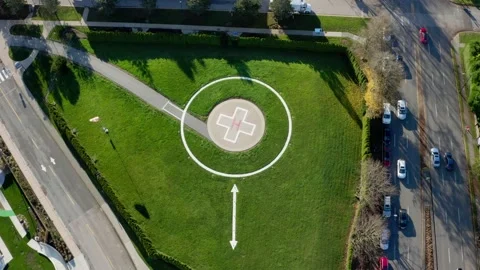
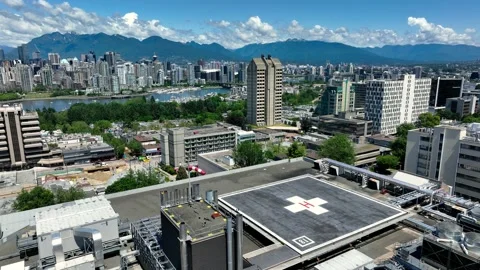
Priority One's broader aviation experience includes a 34,000 sq. ft. aircraft hangar flooring project for Million Air YVR. This supports aviation-facility experience, but it is intentionally not presented as proof of a helipad installation.
A Better Project Brief
We serve Vancouver, Richmond, Burnaby, Surrey, the Lower Mainland and project locations across British Columbia. Remote or institutional work is reviewed individually for mobilization, access, safety documentation and scheduling.
Frequently Asked Questions
There is no universal best product. The correct build depends on the deck material, existing waterproofing, movement, weather, chemicals, required surface profile, markings, closure window and approved project specification. Rooftop pads often need a traffic-bearing waterproof system rather than a basic floor epoxy.
A compatible aggregate and wearing coat can create a specified non-skid profile. The texture must be selected with the designer and operator because traction, drainage, cleanability and operational requirements all matter. No coating should be described as “slip-proof.”
Epoxy may be one component of a system, but exterior UV exposure, weather and deck movement may require a different membrane or UV-stable wearing coat. The entire manufacturer-approved assembly—not one resin name—should be evaluated.
Often, but the existing coating or membrane must first be identified and assessed. Delamination, cracks, spalls, moisture, drainage and compatibility can determine whether selective repair, complete removal or a different replacement build is required.
The schedule depends on repairs, system chemistry, number of layers, temperature, weather and the operator's acceptance process. Some specified rapid-cure systems can shorten shutdowns, but the approved product data and project schedule must control the promise.
No. Priority One can install the approved coating and marking scope and provide agreed installation records. Heliport design, engineering, operational approval and regulatory certification remain with the owner, qualified consultants and applicable authorities.
Plan the Scope Before Selecting the Coating
Send the approved drawings, available specifications, deck information, site photos and closure requirements. We will review whether the project fits our coating and surface-preparation scope and identify the information still required before pricing.