Specify the actual exposure
Juice acids, concentrates, sugars and sanitation products create different conditions. Chemistry, concentration, temperature and contact time guide compatibility checks.

Bottling · Juice · Kombucha · Vancouver, BC
Specified for production. Planned around your shutdown.
Priority One Epoxy Flooring installs urethane cement, epoxy and resin floors for beverage processing, filling and packaging facilities. We assess product spills, sanitation chemistry, washdown temperatures, drainage and traffic before recommending the floor build for each zone.
Explore your production zones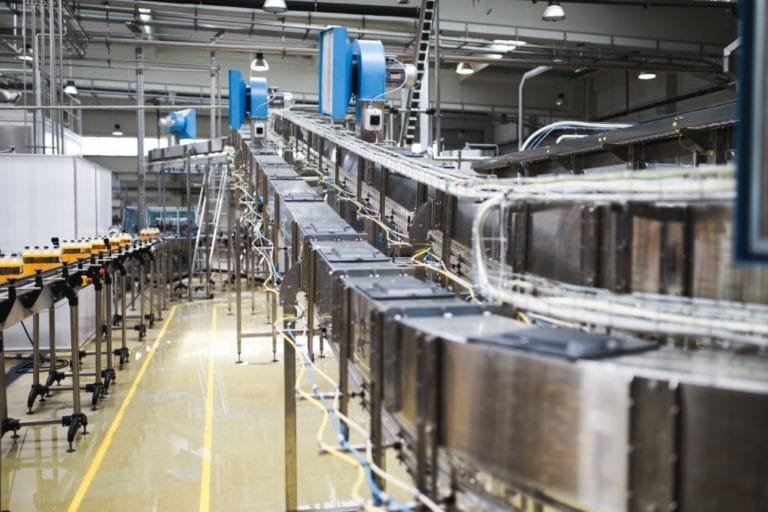
Beverage processing flooring
The right floor build can change between ingredient handling, wet processing, filling and dry packaging.
Priority One plans beverage plant flooring in Vancouver and the Lower Mainland for bottling, juice, soft-drink and kombucha facilities. The assessment connects each room’s exposure to the concrete preparation, resin assembly, traction and edge details it needs.
We review the liquids that reach the floor, how long they remain, the cleaning cycle, equipment routes and your production window. For broader facility types, explore our food and beverage processing flooring services .
Juice acids, concentrates, sugars and sanitation products create different conditions. Chemistry, concentration, temperature and contact time guide compatibility checks.
Review falls, drain interfaces, coves, moving joints and doorways together. A coating cannot correct an inadequate drainage layout by itself.
Removal, preparation, repairs, installation and curing all need time. Agree when foot traffic, equipment and wet cleaning can return.
Explore your production zones
Open a zone to see the information that shapes its floor specification. Wet exposure and temperature can matter more than the room’s name.
Review product leaks, rinse water, bottle breakage where glass is handled, conveyor supports and access beneath equipment. Include the frequency and temperature of line cleaning.
A wet filling area may need a different resin build from a dry end-of-line area. System selection follows the actual exposure, equipment loads and cleaning cycle.
Identify the juice, acids, syrups and concentrates that can reach the floor, including spill concentration and cleanup time. Check both production liquids and cleaning products against the proposed assembly.
Processing temperatures, equipment bases, drains and the route into packaging help determine thickness, texture and termination details.
Review acidic product, transfer spills, tank bases, hose routes and recurring wet cleaning. Provide the actual production and sanitation exposure rather than relying on pH alone.
Agree access around fixed tanks and how each phase will be isolated. Terminations, repairs and cleaning access should be resolved before installation.
Document wash-water temperature, cleaner and sanitizer concentration, dwell time and cleaning frequency. Urethane cement is often assessed for demanding wet and temperature-exposed areas.
Match texture to contamination, footwear and sanitation equipment. Falls, drains, coves and joints remain part of the floor scope.
High-build epoxy or a broadcast system may suit lower-exposure packaging areas. Review pallet jacks, forklifts, turning paths, racking feet and cleaning requirements.
Define wet-to-dry transitions and routes across joints. A floor coating protects a suitable surface; it does not increase the structural load capacity of the slab.
Review condensation, door thresholds, cold-to-warm transitions and the installation temperature. Dedicated utility or chemical rooms need their own exposure review.
For work inside a cooler or freezer, see our cold-room flooring service . Chemical containment and drain alterations need a defined project scope.
Compare the floor assemblies
Select the complete assembly for each area: preparation, primer where required, resin chemistry, thickness, broadcast, texture and any wear coat. A product name alone does not define the installed floor.
| Assembly | Where it may fit | Confirm before selection |
|---|---|---|
| Urethane cement | Wet processing, demanding sanitation and temperature-exposed areas. | Actual chemicals, thermal exposure, manufacturer-required thickness, texture, terminations and cure conditions. |
| Quartz-broadcast resin | Selected filling areas, traffic routes and wet zones with compatible service conditions. | Binder and topcoat chemistry, texture, cleanability and the limits of the complete system under wet or hot exposure. |
| High-build epoxy | Dry packaging, dispatch and other lower-exposure plant areas. | Rolling traffic, cleaning chemistry, substrate moisture and transitions to more demanding wet areas. |
| Specialist chemical-resistant resin | Defined chemical-handling or utility exposures requiring additional review. | Named chemicals, concentration, temperature and contact time, plus containment and drain design where required. |
Thermal and chemical resistance depend on the specified product, installed thickness and exposure. A fast-curing wear coat does not shorten every preparation, repair or cure stage in the full system.
Coves, drains & transitions
Inspect drain edges, wall junctions and transitions when reviewing the floor. These commercial wet-room photographs are detail references; the beverage-plant design must suit your own sanitation and operating requirements.
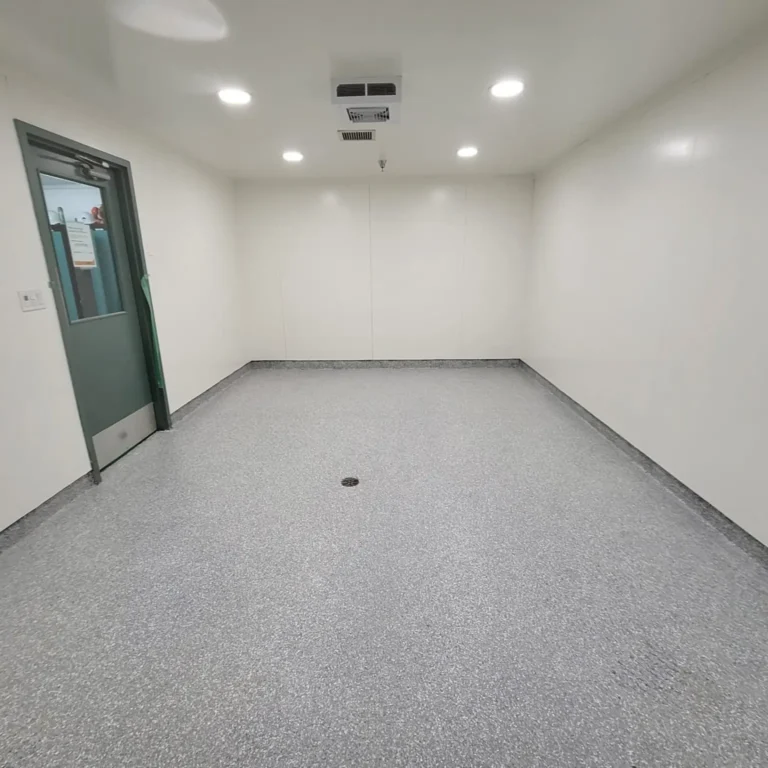
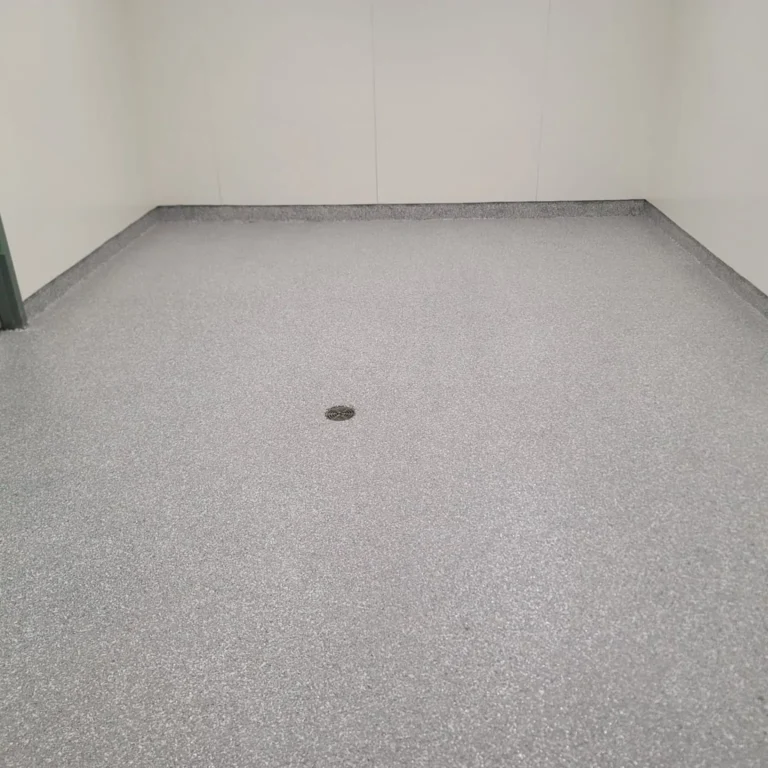
Define the floor termination at each drain, trench and channel. Identify damaged edges, ponding and any slope correction or plumbing work before quoting.
Agree cove material, height and wall termination for the room. Moving joints, equipment bases and thresholds need details that suit movement and traffic.
Balance wet traction with the ability to remove sugars and residues. More aggressive texture increases cleaning effort; housekeeping and spill control remain essential.
Preparation & production planning
A useful installation plan covers the condition beneath the coating and the practical limits of working around food production.
Review old coatings, product contamination, moisture, weak concrete, cracks and joints. Specify mechanical preparation, repairs and any required testing or treatment for the selected assembly.
Agree equipment access, work boundaries, dust containment, ventilation and routes through the plant. Phasing is practical only where adjacent operations can be appropriately separated.
Confirm the time for walking, wheeled loads, equipment placement and wet sanitation. Site temperature, repairs and the full assembly determine the approved release schedule.
Provide the production schedule and sanitation cycle during the assessment. A floor that can accept foot traffic may still need more time before loaded equipment or chemical cleaning returns.
Cost & scope clarity
Area alone does not determine the price. The condition of the slab, exposure, detailing and available closure window can change the scope significantly.
Your written quote should identify the complete assembly, preparation, details, inclusions, exclusions and applicable taxes. Agree responsibility for equipment, plumbing and drainage changes.
Request a Facility AssessmentSanitation & documentation
Coordinate the finish with your facility’s QA and sanitation team. Review the approved assembly, chemical compatibility, cleaning method, cure milestones and maintenance requirements before handover.
CFIA guidance discusses cleanable construction, maintained surfaces and drainage as part of facility controls. A floor coating alone does not certify the entire plant.
Review CFIA preventive-control guidanceA service for each facility
Our Richmond-based team serves Vancouver, Richmond, Burnaby, Surrey, Delta, Coquitlam, Langley, New Westminster and North Vancouver. Other Lower Mainland and British Columbia projects are reviewed by scope and mobilization needs. For broader local services, see epoxy flooring in Vancouver .
Beverage plant flooring questions
The best assembly depends on each zone’s products, cleaning chemistry, temperature, water exposure, traffic and concrete condition. Urethane cement is often reviewed for demanding wet areas; quartz-broadcast resin or high-build epoxy may suit selected filling and dry packaging areas. The assessment should define the complete system for each zone.
Urethane cement is commonly assessed where hot washdown, temperature cycling or repeated wet exposure places greater demands on the floor. Selection still depends on the actual product, installed thickness, chemicals and manufacturer data. Conventional epoxy may remain suitable for lower-exposure dry areas in the same plant.
Compatibility must be checked for the proposed assembly. Provide the product and cleaner names, concentrations, temperatures and expected contact times. No general chemical-resistant label establishes resistance to every beverage, acid or sanitizer under all operating conditions.
Texture is selected around the expected liquids, contamination, footwear, wheeled traffic and cleaning equipment. An excessively aggressive finish can retain residue and take more effort to clean. Review samples and maintenance requirements alongside drainage and spill-control practices.
These details can be reviewed as part of the project scope. Confirm cove material and height, wall terminations, drain interfaces, joints and any required slope correction. Drain relocation or plumbing alterations must have an agreed design and responsibility; a coating alone does not change an inadequate drainage layout.
Cost depends on area, coating removal, contamination, concrete repairs, moisture conditions, system thickness, texture, coves, drains, access and phasing. Request a written scope that identifies the complete assembly, preparation, details, inclusions, exclusions and applicable taxes. Priority One offers a free facility visit to review the project.
Phasing may be possible where work areas can be appropriately isolated and the available access and cure windows are suitable. Agree equipment relocation, dust containment, ventilation and routes through the facility with the operations team before work begins.
Preparation, repairs, product chemistry, site temperature and the complete assembly determine reopening. Foot traffic, loaded equipment and wet chemical cleaning may have different release times. Confirm the approved milestones in the project schedule before booking the shutdown.
A suitable floor can support cleaning and the facility’s food-safety controls, but a coating alone does not certify the plant. Facility design, drainage, sanitation, documentation, maintenance and operating procedures also matter. Coordinate the specification with your QA team and applicable requirements.
Plan the next production shutdown
Bring the floor plan, exposure details and operating window. We’ll review the preparation, floor assemblies and practical next steps for your beverage facility.
info@priorityonepoxyflooring.com