Vancouver & Lower Mainland • Veterinary & Animal-Hospital Floors
Epoxy Flooring for Veterinary Clinics in Vancouver, BC
Seamless resin floors specified by room for sanitation, urine exposure, disinfectants, traction and daily traffic
Priority One Epoxy Flooring installs and repairs commercial resin flooring over prepared concrete in
veterinary clinics and animal hospitals. We assess each exam room, treatment area, surgery-support
space, holding room, wash zone, reception area and corridor before recommending high-build epoxy,
quartz-broadcast resin, urethane cement or a compatible performance topcoat.
Mechanical PreparationUrine & Chemical ReviewTraction by ZoneCove & Drain DetailsPhased Installation
Our scope: resin flooring, concrete preparation, floor repairs, coves and coating details.
Room-specific regulatory, infection-control and equipment requirements remain subject to the clinic's consultant and operating protocols.
The Short Answer
Veterinary Flooring Has to Be Specified by Room
Epoxy flooring for veterinary clinics should be specified by room, not sold as one universal coating.
A reception area, exam room, treatment space and wash room do not expose a floor to the same conditions.
The right veterinary flooring specification starts with the room's fluids, disinfectants, traffic, cleaning method,
drain layout, required traction and available shutdown—not with one coating applied everywhere.
Where Resin Flooring Fits Well
Properly prepared resin flooring can create a continuous, low-porosity and durable surface over concrete.
It is particularly useful where frequent cleaning, carts, moisture, urine exposure and floor-to-wall detailing matter.
Where Selection Needs More Care
Resin floors are hard underfoot and do not provide the cushioning or acoustic absorption of resilient rubber.
Recovery, long-stay and specialty areas may need mats or another floor type selected by the project consultant.
Important: a new coating does not remove urine contamination or odour already inside concrete,
repair a moving slab, correct major drainage problems, or automatically create an antimicrobial, waterproof or ESD-rated floor.
Those conditions must be identified and addressed in the scope.
Material Comparison
What Is the Best Flooring for a Veterinary Clinic?
There is no universal best floor for every veterinary room. Resin flooring is a strong option over concrete,
but clinic owners and designers should compare its strengths with resilient sheet and rubber products before finalizing the finish schedule.
Floor Type
Where It Can Fit
Strengths
Watch Points
Seamless resin flooring
Exam, treatment, holding, wash, utility and concrete corridors
Continuous finish, durable, cleanable, texture and cove options
Hard surface; substrate, cracks, chemistry and installation conditions govern performance
Heat-welded sheet vinyl
Dry clinical, treatment, recovery and circulation areas
Seams, terminations, rolling loads and underlayment quality require careful detailing
Rubber flooring
Recovery, staff and selected animal-comfort areas
Cushioning, acoustic benefit and comfortable standing surface
Product seams, cleaning compatibility, staining and wet-area suitability vary
Tile
Selected dry or public-facing rooms
Durable wear surface and many design choices
Grout joints, impact damage and floor-to-wall transitions increase maintenance detail
Priority One's scope on this page is professionally prepared epoxy, quartz, urethane-cement and compatible resin-flooring systems over suitable substrates.
Zone Planning
Veterinary Flooring Recommendations by Room
This is a planning guide, not a universal specification. The final build should follow the concrete condition,
exact cleaning products, clinic protocols, manufacturer data and any architect or consultant requirements.
Clinic Area
Primary Exposures
Likely Resin Direction
Details to Confirm
Reception & waiting
Foot and paw traffic, tracked water, appearance
Decorative or solid-colour epoxy with a compatible wear topcoat
Entry moisture, sheen, cleaning and desired texture
Exam rooms
Fast cleaning, occasional urine and disinfectants
High-build epoxy with a stain- and wear-resistant topcoat
Perimeter seal, penetrations and chemical list
Treatment & surgery support
Fluids, carts, equipment and repeated disinfection
High-build epoxy or light quartz texture, selected by wet use
Cove, equipment loads, staining agents and cleanability
Isolation spaces
Intensive cleaning and contamination-control protocols
Low-porosity resin build with compatible cove and sealed details
Facility protocol, wall interfaces and penetrations
Holding rooms
Urine, claws, moisture, cleaning and traction
Quartz-broadcast resin or urethane cement where service is harsher
Existing contamination, slope, drains and texture
Wash & utility zones
Frequent water, detergents, drains and slip risk
Textured quartz system or urethane cement
Drain elevations, ponding, coves and cleaning equipment
Pharmacy & laboratory support
Chemicals, carts, clean appearance and equipment
Smooth high-build epoxy with a compatible topcoat
Specific chemical, stain and electrical requirements
Corridors & back-of-house
Heavy circulation, cages, carts and abrasion
High-build epoxy or broadcast system by traffic level
Turning points, transitions, joints and maintenance access
System Selection
Epoxy, Quartz and Urethane-Cement Options
High-Build Epoxy
A smooth, continuous system direction for many exam rooms, corridors and dry-to-moderate clinical areas.
Topcoat chemistry and gloss should be selected around abrasion, staining and cleaning.
Quartz-Broadcast Resin
Aggregate broadcast builds thickness, wear resistance and adjustable texture for treatment, holding and wet-service zones.
More texture improves traction potential but requires more cleaning effort.
Urethane Cement
A heavier-duty direction for demanding wash, utility or holding environments with moisture, impact and more aggressive cleaning.
Finish, thickness and topcoat remain product- and exposure-specific.
Performance Topcoats
Compatible polyurethane or polyaspartic topcoats can improve wear, stain and UV performance or support a faster schedule.
A fast-cure topcoat does not eliminate the preparation and repair time below it.
Moisture-Mitigation Primer
Where testing identifies elevated slab moisture, a documented moisture-control primer may be incorporated.
It is not a substitute for investigating active leaks, hydrostatic conditions or failed drainage.
Integral Cove Base
Resin cove can carry the floor up the wall to reduce a hard-to-clean 90-degree transition.
Height, wall substrate and termination detail should be established before installation.
Failure Prevention
The Details That Determine Veterinary-Floor Performance
01
Urine-Contaminated Concrete
If urine or other fluids have already penetrated porous concrete, cracks or joints, coating over the surface may trap rather than solve the odour source.
Removal, cleaning, localized demolition or another remediation step may be required before priming.
02
Mechanical Preparation
Diamond grinding or another approved mechanical method removes weak material and creates the profile required by the selected system.
Acid washing alone is not our substitute for proper preparation.
03
Cracks, Joints and Moving Conditions
Static defects can often be repaired, but active movement can reflect through a rigid resin floor.
Construction and expansion joints should be respected and detailed rather than indiscriminately buried.
04
Coves, Penetrations and Edges
Wall bases, pipe penetrations, doorways and equipment pads are frequent weak points.
The field coating performs only as well as its perimeter and transition details.
05
Drains, Slopes and Ponding
A thin coating follows the existing floor and will not create meaningful slope by itself.
Drain elevations, local rebuilding and plumbing condition should be reviewed before the finish system is chosen.
06
Traction Versus Cleanability
No floor is slip-proof. Aggregate and texture can improve traction for expected wet conditions,
but an unnecessarily aggressive surface can retain soil and slow sanitation. Texture should be selected by zone.
07
Disinfectant Compatibility
“Chemical resistant” is not a universal promise. Product chemistry, concentration, temperature, dwell time and frequency matter.
We ask for the clinic's actual cleaning and disinfecting products before final selection.
08
Ventilation, Animals and Return to Service
Low-odour or low-VOC does not mean zero odour or immediate occupancy. Animals and clinic operations should remain outside the work zone during preparation,
application and cure, with ventilation and reopening based on the selected product data and site conditions.
Clear Scope
What a Resin Floor Can—and Cannot—Do
A Proper System Can
Reduce seams and grout lines across the concrete floor
Improve cleanability and resistance to selected exposures
Add room-appropriate texture and cove details
Protect sound concrete from routine wear and fluids
Create consistent colours between compatible zones
It Does Not Automatically
Remove contamination or odour already inside the slab
Stop active cracks or structural movement
Correct drainage or significant slope defects
Become antimicrobial, waterproof or conductive without a documented system
Replace the clinic's cleaning and infection-control procedures
Local Installation Details
Relevant Priority One Resin-Flooring Work
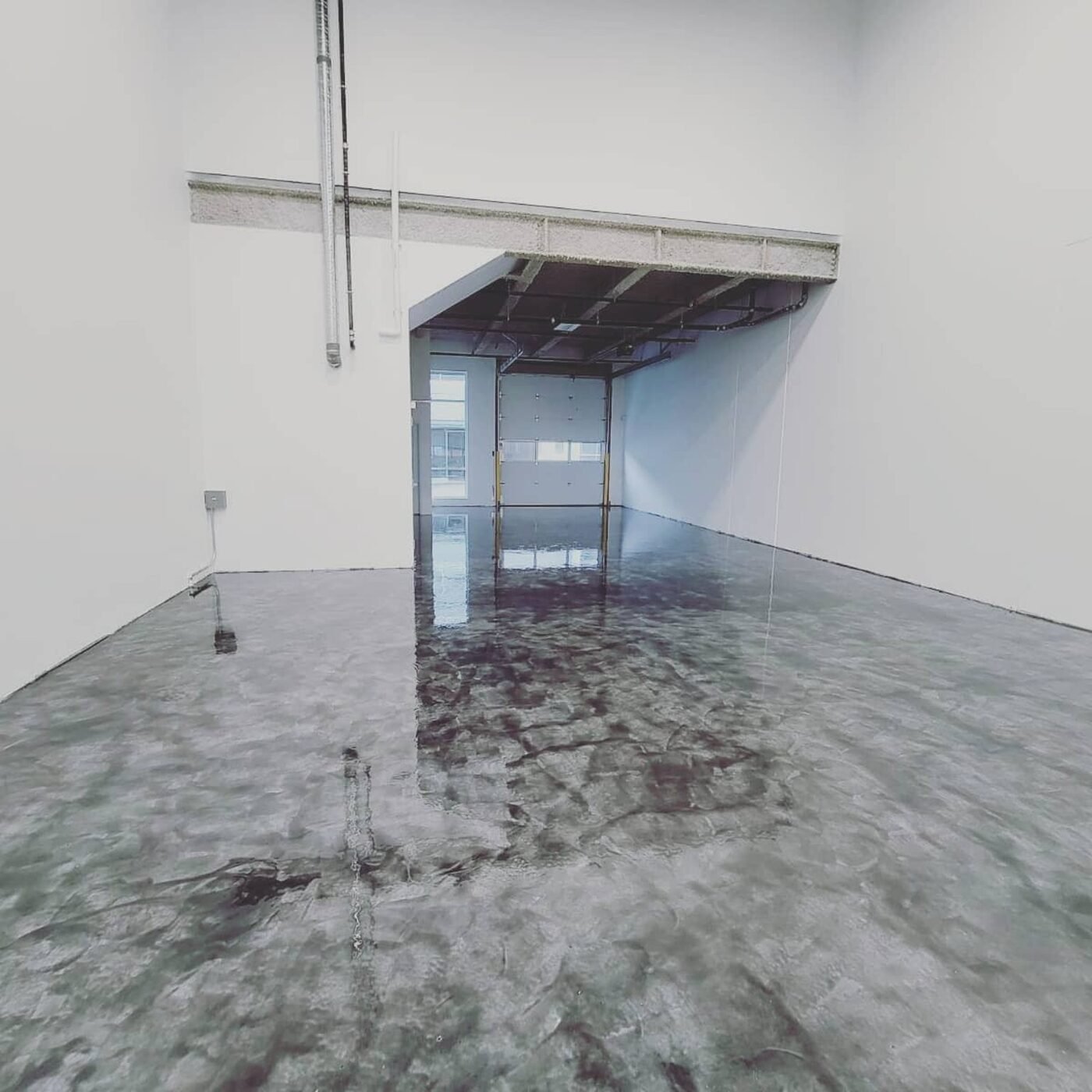
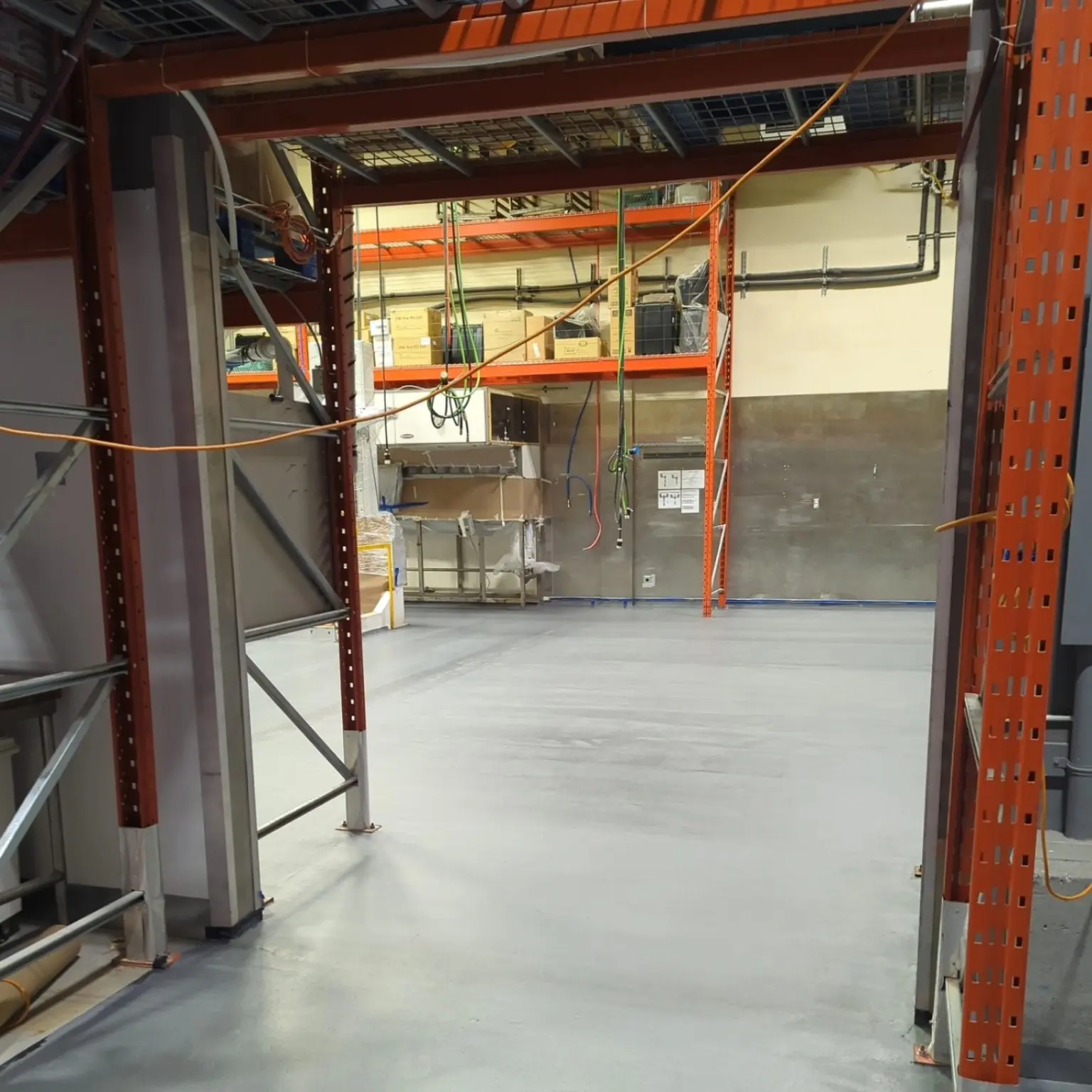
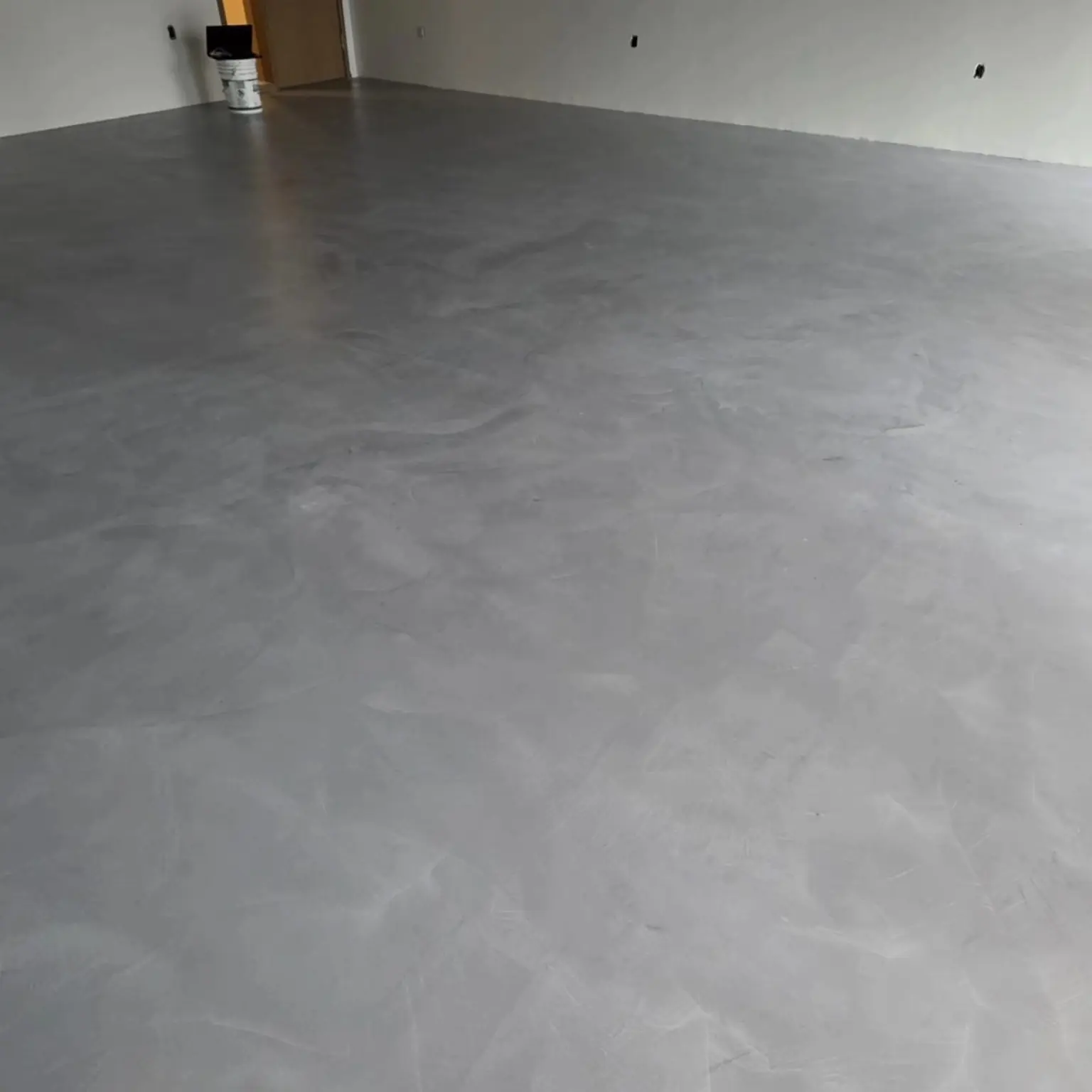
These photographs show Priority One commercial resin-flooring workmanship in Metro Vancouver.
They demonstrate finish, cove, drain and system capabilities relevant to clinic planning; they are not presented as veterinary-clinic case studies.
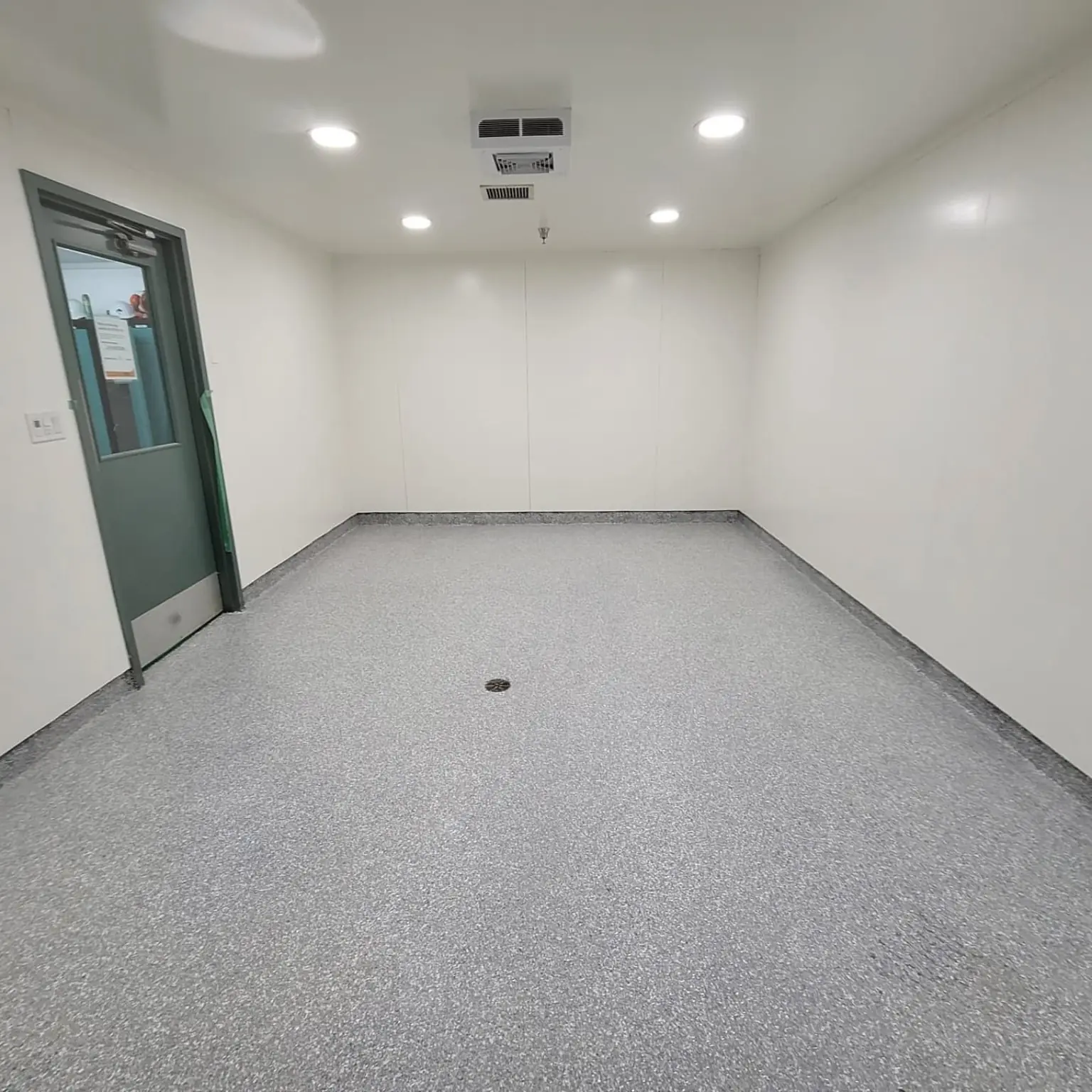
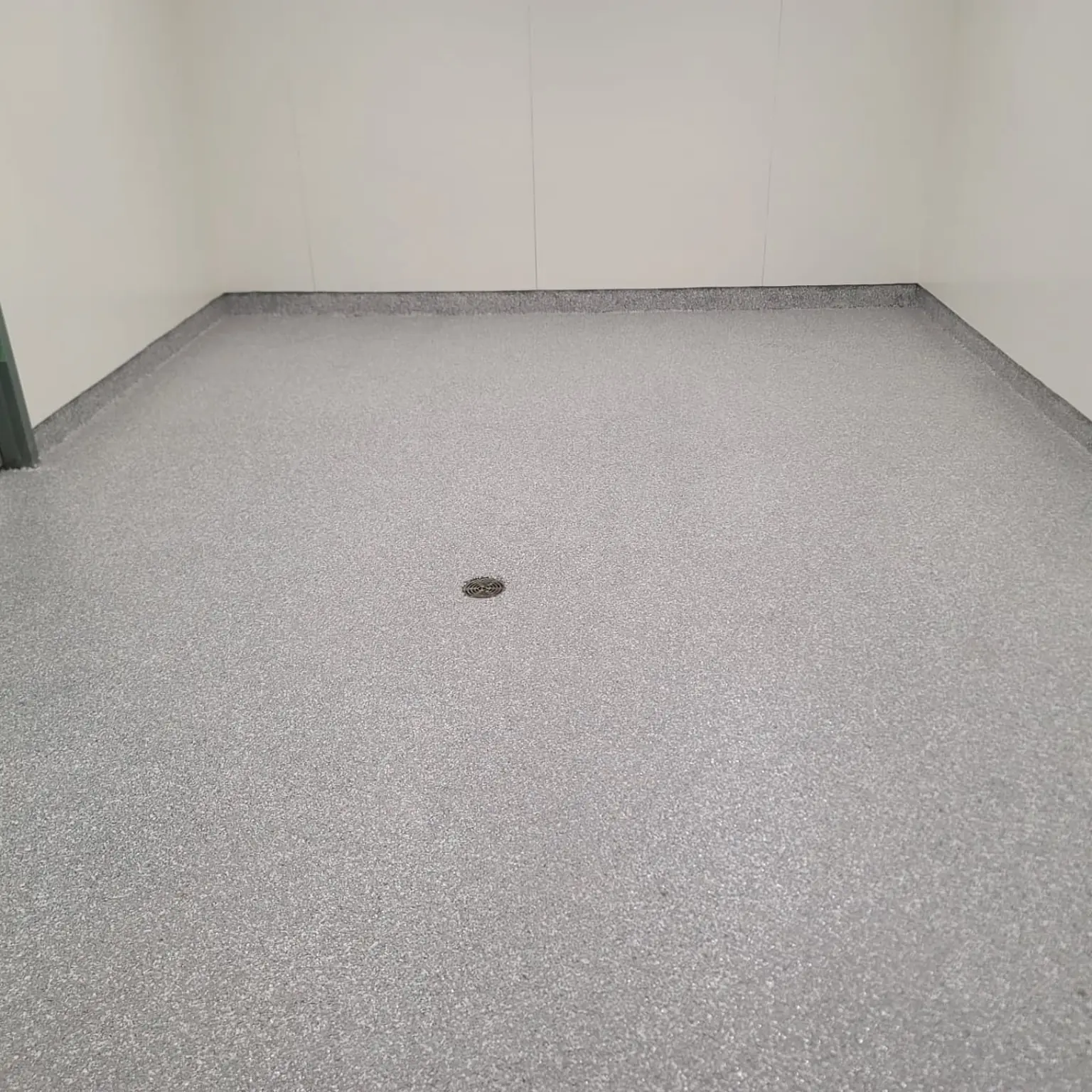
Yaletown floor and drain installation: textured urethane cement, integral cove and drain detailing relevant to clinic wash and utility zones.
Yaletown cove detail: a closer view of the floor-to-wall transition and drain treatment that must be coordinated before installation.
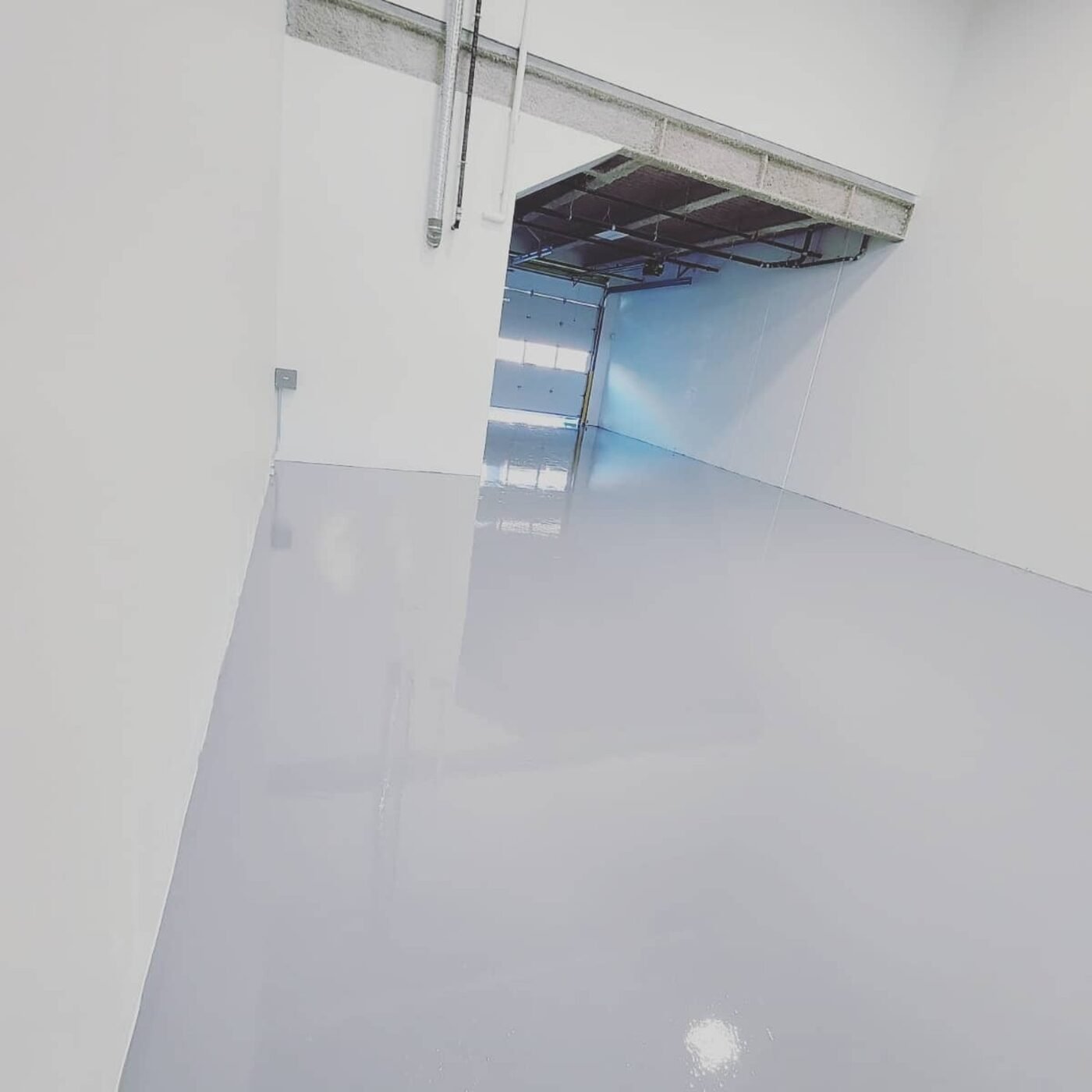
Burnaby smooth resin floor: a cleanable finish illustrating field-floor and perimeter execution for dry clinical or corridor planning.
Burnaby decorative resin finish: an appearance option relevant to reception and customer-facing zones when the service conditions suit it.
Marpole urethane-cement floor: a heavier-duty system example relevant where washdown, moisture, impact or aggressive service drives the specification.
Strathcona solid-colour epoxy: a practical finish example for dry-to-moderate service areas where substrate and exposure conditions permit.
We review every room, animal use, traffic route, cleaning chemical, wet condition, drain and required reopening window.
2
Concrete Assessment
Existing coatings, tile, contamination, moisture risk, cracks, joints, repairs, slopes and transitions are documented.
3
Zone-Based Specification
We match preparation, primer, body coat, aggregate, cove and topcoat to the actual service conditions of each zone.
4
Shutdown and Phasing Plan
Access, noise, dust control, ventilation, animal relocation, cure stages and return-to-service milestones are coordinated before mobilization.
5
Preparation and Installation
The concrete is mechanically prepared, necessary repairs are completed, and the approved system is installed to the defined scope.
6
Inspection and Handover
Completed details are reviewed and the clinic receives product-specific cure, reopening, cleaning and maintenance guidance.
Downtime Planning
Can the Clinic Stay Open During Installation?
Some projects can be divided into phases, but active clinical work, animals and the public must be separated from preparation,
application and curing areas. Grinding noise, dust-control equipment, odour, ventilation, access and cure conditions all affect whether partial operation is practical.
The correct schedule is prepared after the room sequence and selected products are known. We do not promise a universal one-day or two-day reopening for every clinic.
What Affects Veterinary Clinic Flooring Cost?
Square footage matters, but it is not enough to price a clinical floor responsibly. Small rooms with many edges,
equipment, drains and repairs can require more labour per square foot than a large open corridor.
Removal
Tile, sheet flooring, adhesive and failed coatings change preparation and disposal requirements.
Concrete Condition
Cracks, spalls, contamination, moisture and weak concrete affect the repair and primer scope.
Room Details
Coves, drains, penetrations, thresholds, equipment pads and wall interfaces are measured separately.
System Build
High-build, broadcast and urethane-cement systems differ in thickness, material and labour.
Phasing
Multiple mobilizations, nights, weekends and tight reopening windows influence project cost.
Site Access
Occupied buildings, equipment protection, elevator use, parking and waste routes affect logistics.
What to Send for a More Accurate Clinic Flooring Quote
Floor and Room Information
Room names, dimensions or drawings
Current floor type and known installation history
Wide photos plus close-ups of failures and edges
Drain, cove, joint, threshold and equipment locations
Planning a Kennel, Boarding, Daycare or Shelter Floor?
Dedicated animal-housing facilities place more emphasis on runs, drainage, washdowns, urine exposure and continuous occupancy.
Review our separate kennel-flooring page for that environment.
Priority One Epoxy Flooring is based in Richmond and installs resin flooring for veterinary hospitals, clinics,
project managers and general contractors throughout Vancouver, Metro Vancouver and the Fraser Valley.
Larger British Columbia projects are reviewed by size, schedule and scope.
Vancouver
Richmond
Burnaby
New Westminster
Surrey
Delta
White Rock
Coquitlam
Port Coquitlam
Port Moody
North Vancouver
West Vancouver
Langley
Maple Ridge
Abbotsford
Chilliwack
Frequently Asked Questions
Veterinary Clinic and Veterinary Hospital Flooring FAQs
What is the best flooring for veterinary clinics?
The best floor depends on the room. Seamless epoxy or another resin system can suit many concrete exam, treatment, holding, wash and corridor areas.
Resilient sheet or rubber flooring may be preferable where cushioning, acoustics or animal comfort are the main priorities.
Does epoxy flooring stop pet urine odours?
A continuous resin surface can reduce liquid absorption compared with bare concrete or open grout joints.
It cannot remove urine or odour already embedded in contaminated concrete, cracks or wall transitions; those sources need to be addressed before coating.
Is veterinary epoxy flooring slip resistant?
Aggregate and texture can be adjusted to improve traction for the expected wet conditions, but no floor is slip-proof.
The specification must balance animal and staff traction with the clinic's ability to clean the surface effectively.
Can resin flooring withstand veterinary disinfectants?
Many commercial resin systems resist a broad range of cleaners, but compatibility depends on the exact chemical,
concentration, temperature, dwell time and frequency. The clinic's real product list should be checked against the proposed system data.
Do veterinary floors need an integral cove base?
Cove is often beneficial in treatment, isolation, holding and wet-service rooms because it removes a difficult 90-degree floor-to-wall corner.
Cove height, wall substrate and top termination should be coordinated with the room design and cleaning protocol.
Can you install while the veterinary clinic remains open?
Some projects can be phased, but animals, staff and clients must be isolated from preparation, application and curing zones.
Noise, dust-control equipment, odour, ventilation and access determine whether partial operation is practical.
How long does veterinary clinic flooring installation take?
Duration depends on removal, concrete repairs, room count, detail work, system selection, temperature, ventilation and cure requirements.
A reliable schedule is prepared after the floor and operational constraints have been assessed.
Can epoxy be installed over tile or an existing coating?
Sometimes, but the existing assembly must be sound, compatible and properly prepared. Hollow tile, weak grout, contaminated finishes or delaminating coatings usually require removal.
The assessment should determine whether overlay or removal gives the more defensible substrate.
Is every veterinary resin floor antimicrobial or waterproof?
No. Those are system-specific claims that require documented products and complete details. An antimicrobial additive does not replace cleaning,
and a standard floor coating should not be represented as a waterproofing membrane unless the specified assembly is designed and documented for that purpose.
Plan Before the Shutdown
Get a Room-by-Room Veterinary Flooring Assessment
Send us your room list, dimensions, photographs, cleaning chemicals, wet-area details and preferred reopening date.
We will identify the missing information and prepare a practical resin-flooring scope for your clinic.