Vancouver project gallery
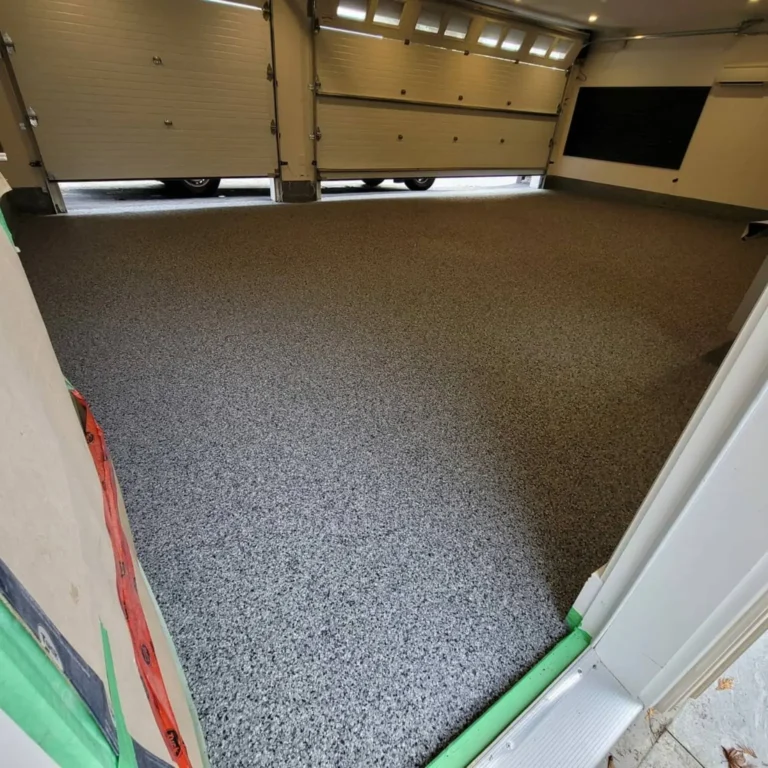
Downtown garage finish
A neutral flake blend gives the floor a consistent appearance across the parking area and perimeter base.
View Vancouver project examples
Residential garages · Vancouver & Metro Vancouver
A beautifully finished garage. Prepared from the concrete up.
Turn dusty, stained concrete into a garage floor that feels like part of your home. Priority One Epoxy Flooring installs full-flake coatings with diamond grinding, agreed concrete repairs and a compatible protective topcoat for daily parking and easier cleaning.
Choose your colour, review the preparation and receive a written quote with a clear installation and parking schedule.

Garage flooring portfolio
Compare the full-floor appearance, perimeter details and flake texture. These selected examples from our project galleries show how a decorative coating changes the feel of the space.
Vancouver project gallery
A neutral flake blend gives the floor a consistent appearance across the parking area and perimeter base.
View Vancouver project examples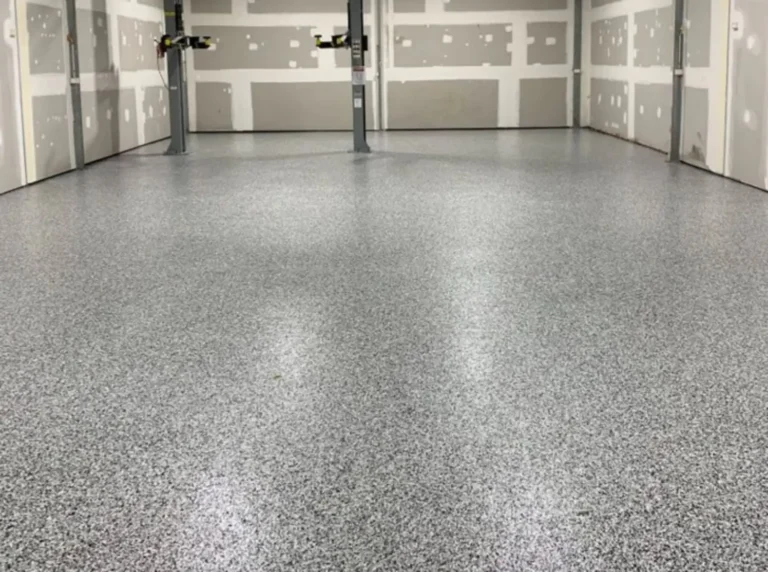
Vancouver project gallery
Look at the overall colour and texture in the room, then compare a physical sample under your own garage lighting.
Explore the flake colour catalogue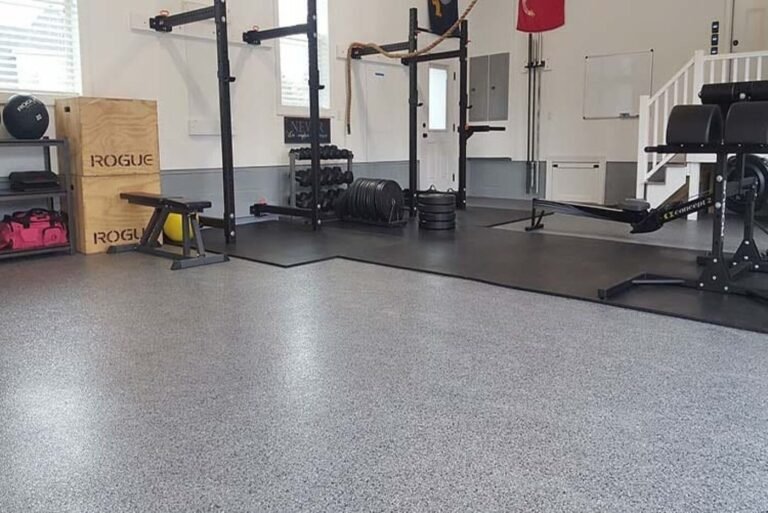
Burnaby project gallery
A coordinated floor can work with parking, storage and a home gym. Review mat compatibility and suitable protection beneath exercise equipment.
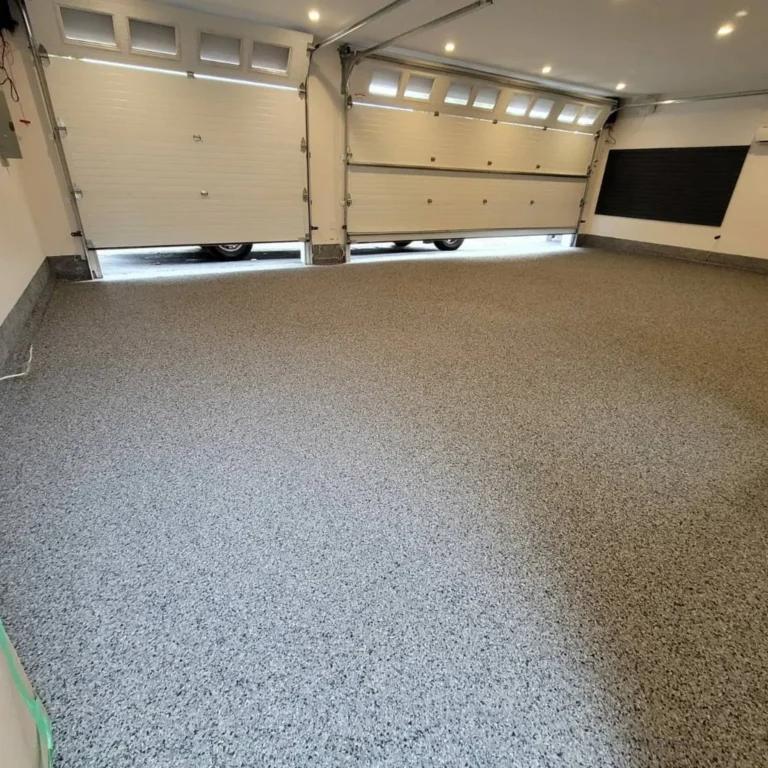
View the Burnaby garage examplesThis residential project combined concrete preparation with a neutral Gravel full-flake finish for daily parking and easier cleanup.
Approximately 720 sq. ft., with selected joints filled flush and a Wombat flake blend. This project's vehicle-use allowance was five days; your own schedule follows the specified system and site conditions.
Send your garage size and a few slab photos to start the conversation.
Request your garage quoteGarage flooring cost
Our standard full-flake planning range is $8.50–$11.50 per sq. ft. CAD. Measured area, concrete condition, preparation, repairs and the selected finish determine your written quote.
Everyday residential garages
$8.50–$11.50 per sq. ft. CAD
Decorative flake coverage with a compatible clear protective topcoat. Preparation and the complete layer specification are confirmed for your concrete.
Textured aggregate finish
$10.00–$13.50 per sq. ft. CAD
Coloured aggregate with a sealed texture selected for your garage and cleaning routine. Review a finished sample before choosing the texture.
Decorative statement finish
$11.00–$16.00+ per sq. ft. CAD
Decorative movement and depth for suitable show garages and specialty spaces. The finish and protective layers need to suit vehicle use and sunlight.
Planning prices are not fixed offers. Minimum project charges, removal, extensive repairs, moisture treatment, vertical surfaces, access and other options can change the total. Your written quote confirms inclusions and applicable taxes.
| Measured area | Calculated planning range |
|---|---|
| 250 sq. ft. | $2,125–$2,875 |
| 400 sq. ft. | $3,400–$4,600 |
| 600 sq. ft. | $5,100–$6,900 |
Use your actual measurements. For example, a 20 × 20 ft. floor is 400 sq. ft. Smaller projects may be affected by a minimum charge.
Choose the complete floor system
Epoxy and polyaspartic can work together in one garage floor. A common full-flake build uses an epoxy base, a full decorative broadcast and a compatible polyaspartic clear topcoat.
The base bonds to prepared concrete and holds the decorative layer. The topcoat forms the surface exposed to tires, shoes, cleaning and door-line sunlight. We select the products and texture after reviewing your slab and how you use the garage.
Explore polyaspartic garage topcoat options| Option | Why consider it? | What to confirm |
|---|---|---|
| Full-flake epoxy with clear topcoat | Consistent decorative coverage for parking, storage and home workshops. | Concrete preparation, compatible layers, topcoat and texture after sealing. |
| Polyaspartic topcoat or faster-cure build | UV-resistant finish choices and a shorter curing window where the specified products permit. | Product data, moisture limits, application conditions and vehicle-use time for every layer. |
| Quartz broadcast | A coloured aggregate finish where a more textured surface suits the space. | Finished texture, cleanability and topcoat compatibility. |
| Metallic or solid colour | Decorative movement or a uniform appearance for suitable specialty garages. | Sunlight, visible dust and tire marks, scratches and wet-surface traction. |
Flake and quartz describe the decorative layer. Grip depends on the finished texture, topcoat, water, contaminants and maintenance. Review the proposed sample rather than relying on the flake colour alone.
Colour, texture & light
Browse 45 Torginol 1/4-inch flake blends, including Gravel, Wombat, Raven and Nightfall. Compare a physical sample in your garage; screens, lighting and the clear finish change how a colour appears.
45 colours


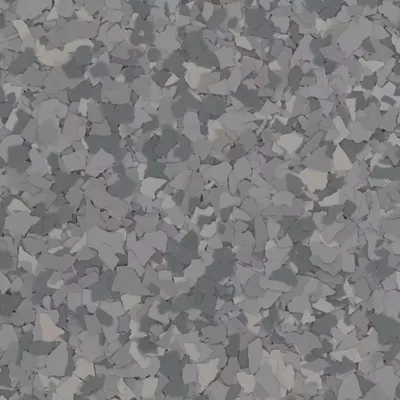
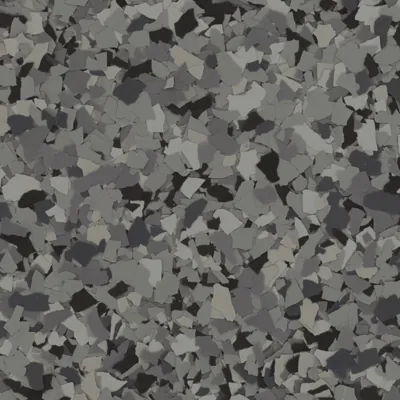
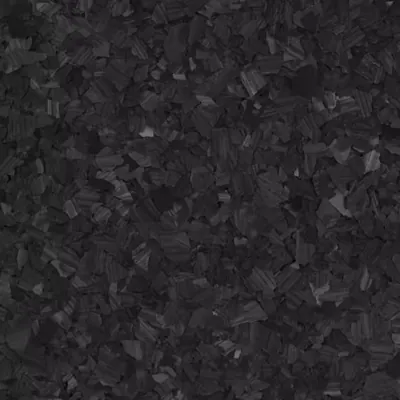
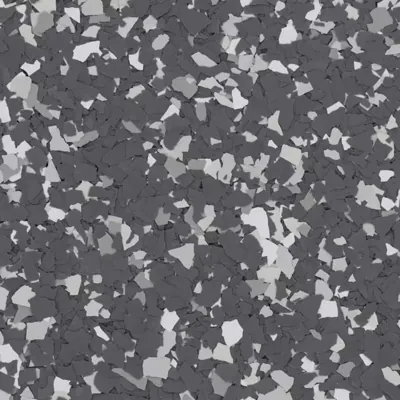

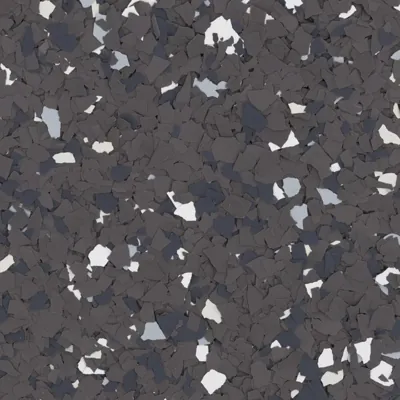
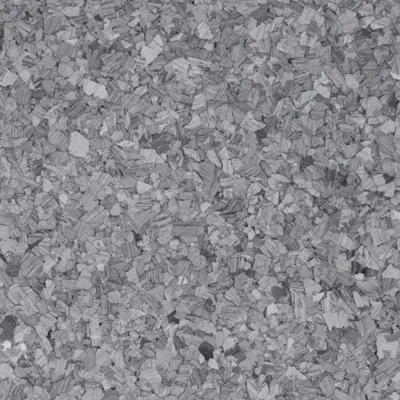

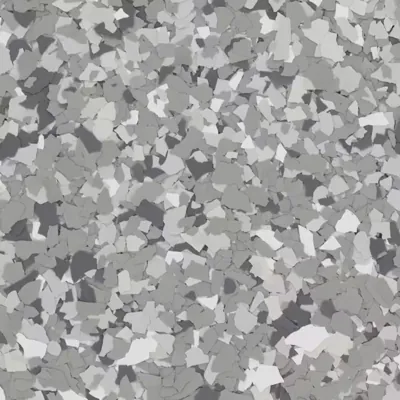
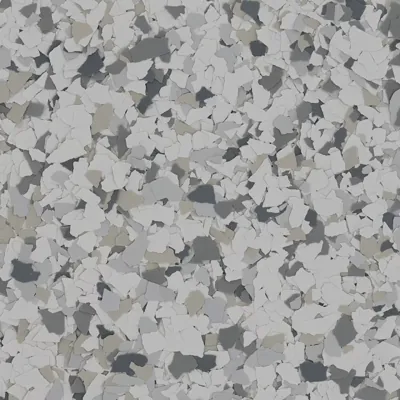
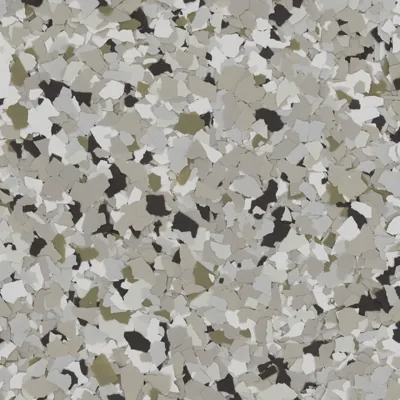


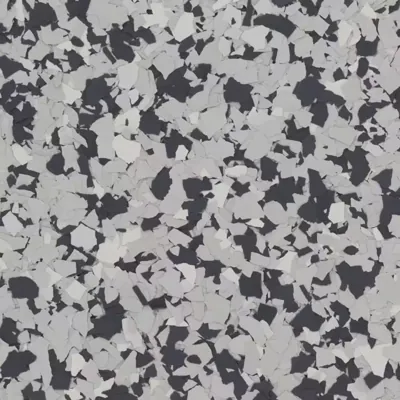
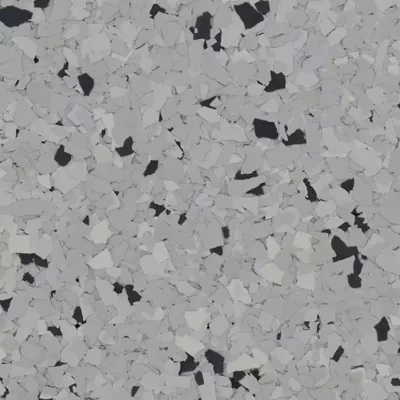
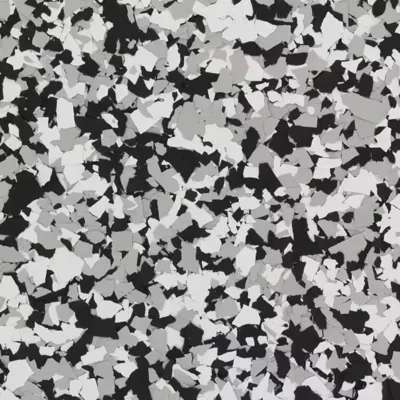

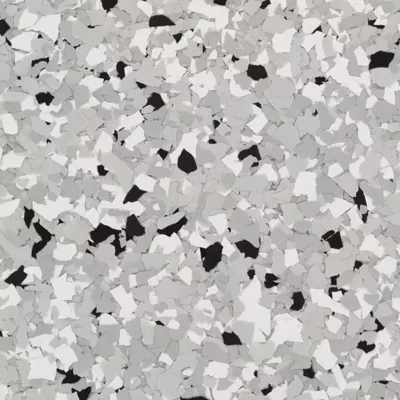
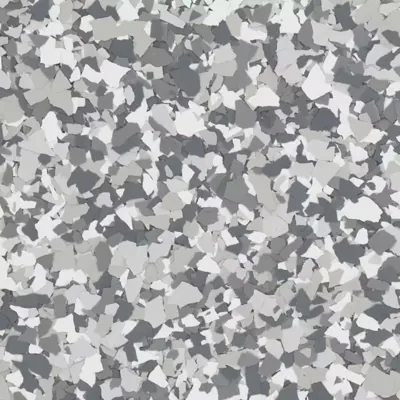
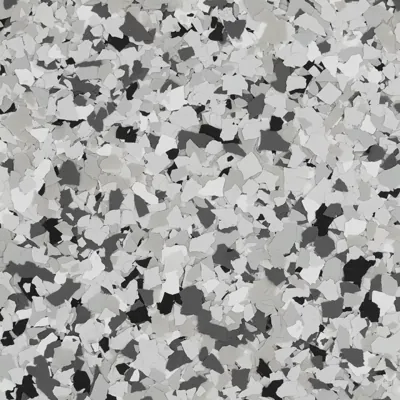


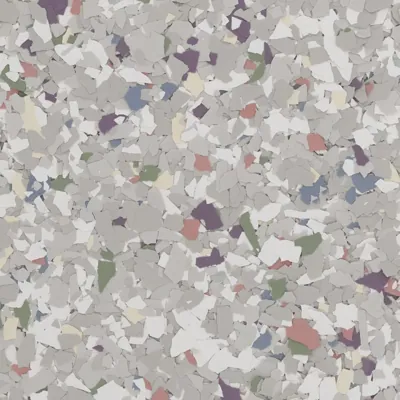


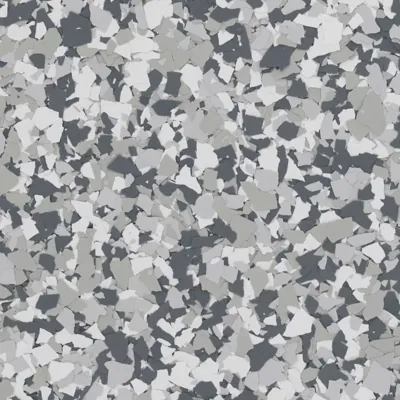
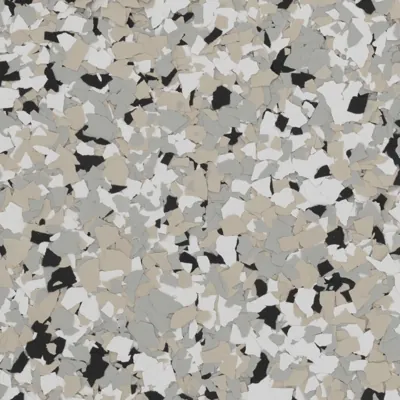
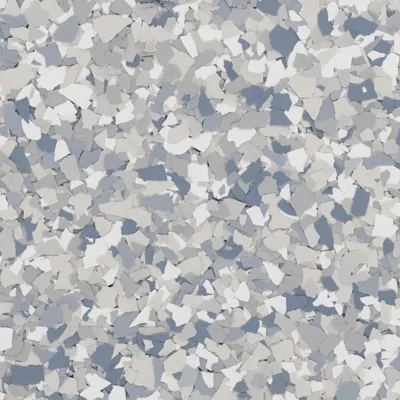
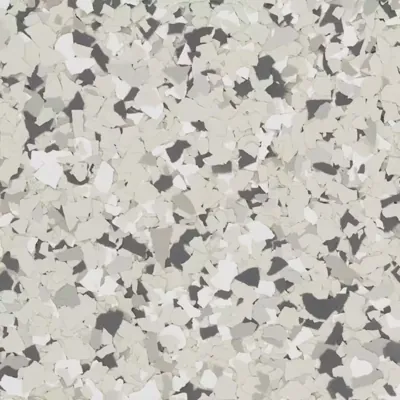
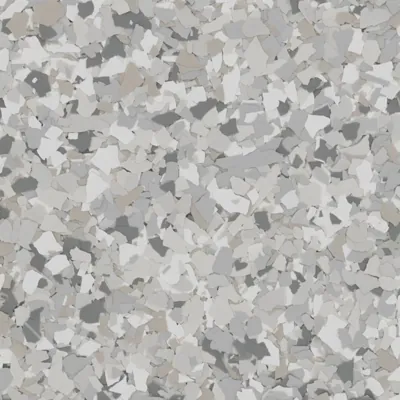

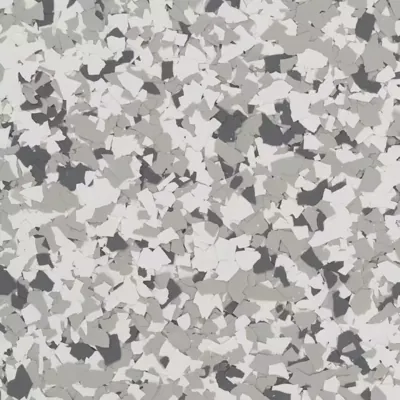




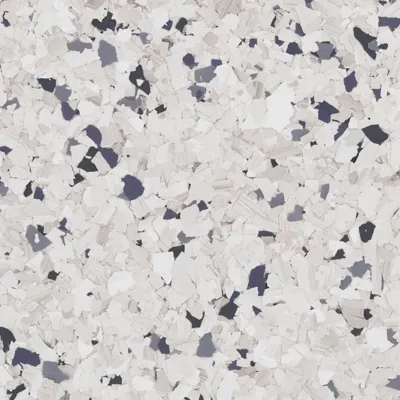
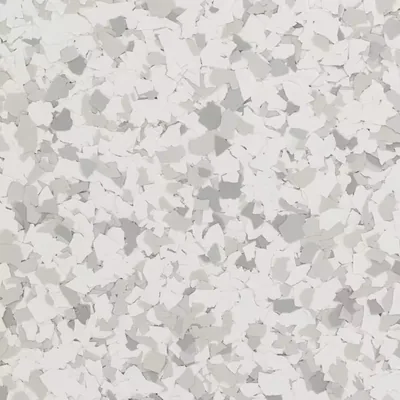
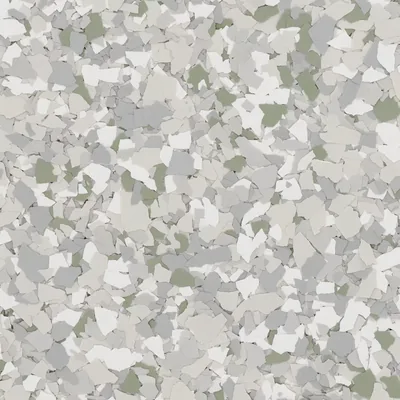




Confirm blend availability and your final selection before installation. Prefer a broader selection? View our flooring colour charts , or bring your shortlist to the site assessment.
Have a colour in mind? Include its name with your garage photos.
Plan your finishFrom the concrete up
Older sealers, peeling coatings, oil contamination, cracks and damp areas need assessment before a new coating is installed. We review moisture and substrate conditions against the proposed manufacturer's requirements.
Edges, corners, thresholds and the route into your home receive attention alongside the open floor. For detached and laneway garages, access, weather protection and working conditions also shape the plan.
We assess why it failed, then specify removal and any additional treatment. A new topcoat alone does not resolve weak concrete, contamination or an underlying moisture problem.
Review concrete condition, existing finishes, contamination, cracks, spalls and moisture concerns. Identify any testing and repairs needed for the proposed floor.
Mechanically remove unsuitable material and profile the concrete for the specified coating, including edges and the garage door area.
Complete the agreed crack and surface repairs. Assess joints individually; moving joints require an appropriate detail rather than simply coating over them.
Install the specified primer, any required moisture treatment and the base coat under the product's permitted conditions.
Install the selected decorative flakes or aggregate, remove excess material and apply a compatible topcoat with the agreed texture.
Review the finished floor and provide cleaning, loading and vehicle-use guidance for the installed system and actual site conditions.
Plan your parking & storage
Installation time and the time before parking are separate. A surface ready for walking may still need further curing before vehicles, shelving or heavy equipment return.
Ask about a one-day installation if you have a short work window. Suitability depends on preparation, repairs, moisture, temperature and the complete coating system. Vehicle access follows the written release date for your floor.
Discuss your preferred datesClear the agreed work area and arrange parking and storage. Tell us about fixed cabinets, appliances and anything that cannot be moved.
Agree access, power, ventilation and how the work area will be kept clear of people, pets, vehicles and stored items.
Follow the vehicle-use guidance supplied for the installed assembly. Our August 2026 Maple Ridge project allowed five days before parking; that is a project example, not a universal cure time.
Aftercare & confidence
Sweep or vacuum abrasive grit and clean spills promptly with products compatible with the installed coating. Use the supplied care instructions for cleaners, mats and protective pads.
Discuss wet tire tracks, door-line sunlight and how much texture you want during selection. Easier cleaning and suitable traction depend on the complete finish and your maintenance routine.
Our company portfolio includes 500+ completed flooring projects, supported by 20+ years in flooring and construction. Those figures cover our wider services, including commercial, industrial and residential flooring.
Priority One Epoxy Flooring is licensed and insured. Qualifying systems include written warranty information; review the term, covered defects, exclusions and care requirements with your quote.
Learn about Priority OneBefore you choose your garage floor
Tell us about your slab, how you use the garage and your preferred finish. A site review helps turn those choices into a clear project quotation.
Speak with our team: 604-761-1605Our standard full-flake planning range is $8.50–$11.50 per sq. ft. CAD. At that rate, 400 sq. ft. calculates to $3,400–$4,600 as a basic budget example. Minimum charges, removal, repairs, moisture treatment and the selected finish can change the total. Your written quote confirms inclusions and applicable taxes.
They can serve different roles in the same floor. Epoxy may form the base and hold the flakes; a compatible polyaspartic topcoat can provide UV resistance and a shorter curing window. Compare the named products, preparation, complete build and parking schedule rather than the coating name alone.
Some garages and product combinations may suit a shorter application schedule. Existing coatings, repairs, moisture and temperatures affect feasibility. One-day application does not automatically mean next-day parking; we confirm return-to-use guidance for the complete installed system.
We assess the concrete and cause of coating failure first. Unsound material requires removal, and the quote identifies the agreed crack and surface repairs. Active movement, moisture and structural concerns need an appropriate detail or further assessment.
The finished texture and topcoat matter as much as the flakes. We review the wet conditions and traction you need, then balance texture with cleaning effort. Water, oil and grit still need prompt removal.
The proposed system needs to be suitable for vehicle use and the sunlight at your garage door. Compatibility, substrate preparation and sufficient curing matter. Review the selected topcoat's product data and follow the supplied vehicle-use instructions.
Yes. We review detached, attached and laneway garage floors in Vancouver and Metro Vancouver. Access, power, slab condition, moisture, weather protection and working temperature determine the installation plan.
Qualifying systems include written warranty information. Your quotation should identify the applicable term, covered defects, exclusions and maintenance requirements. Slab movement and moisture conditions must be addressed in the agreed scope.
Vancouver & Metro Vancouver
Send your location, approximate floor area, a few concrete photos, preferred colours and work dates. We will review your garage and arrange the next step toward a free site assessment and written quote.
Serving Vancouver and surrounding Metro Vancouver communities, including Richmond, Burnaby, the North Shore, New Westminster, the Tri-Cities, Surrey, Delta, Langley and Maple Ridge.