Flooring knowledge. Practical advice.
Epoxy flooring lifespan.
How long do floors last?
Understand service-life ranges, what affects durability and when a new topcoat can give an existing floor more years of use.
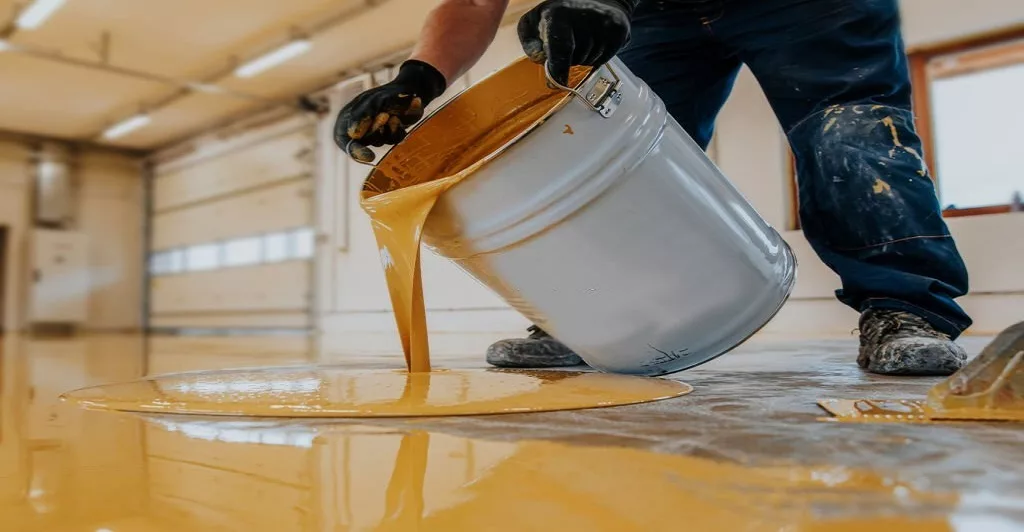
Epoxy flooring lifespan depends on the concrete, the coating system and how the space is used. A floor in a lightly used garage faces different demands from one under forklifts, constant foot traffic or frequent washdowns.
Some well-installed, well-maintained epoxy systems can serve for 10–20 years or longer. Heavier use can bring forward the need for repairs or recoating. It is also important to distinguish the life of the complete floor system from the maintenance cycle of its topcoat.
How long do epoxy floors last?
Use the ranges below as a broad planning guide. Preparation, moisture conditions, system thickness, exposure and maintenance can move a floor’s performance outside these ranges.
| Environment | Planning range | What affects wear |
|---|---|---|
| Residential garages and basements | 10–20+ years | Moisture conditions, grit, vehicle use, sunlight at openings and care of the finish. |
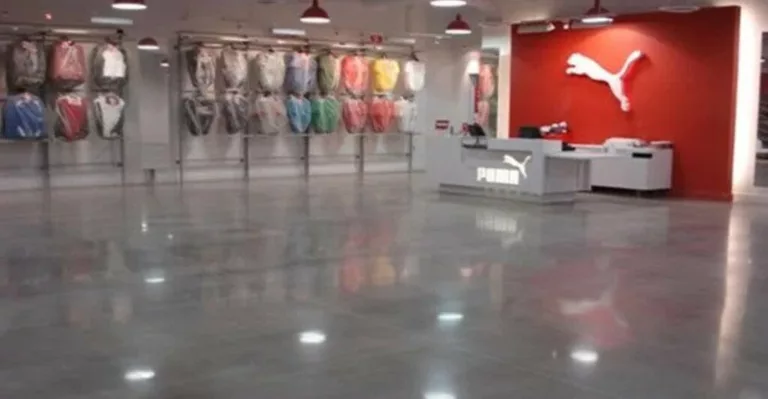
| Retail and commercial spaces | 5–10 years | Foot traffic, carts, cleaning methods, chemicals and wear at joints. |
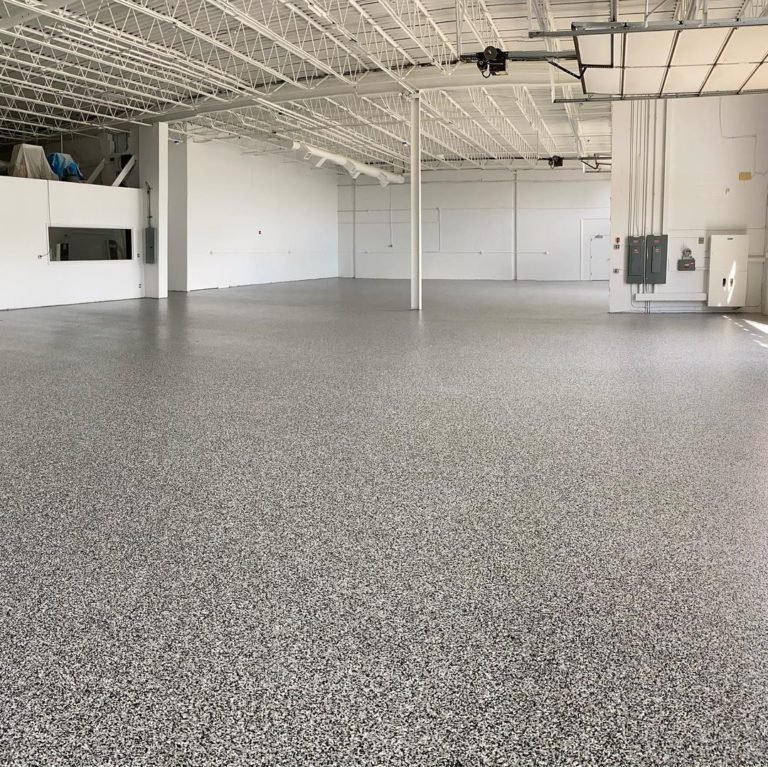
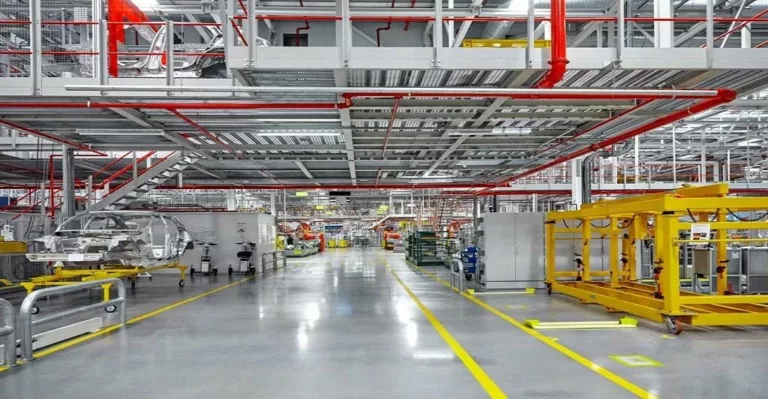
| Warehouses and production areas | 5–10 years | Forklift turning, impact, point loads, chemical spills and the condition of the slab. |
| Labs, food plants and specialty spaces | Assess the specified system | Sanitation, thermal cycling, hot washdowns and chemical exposure require a process-specific specification. |
Scroll the table horizontally to compare all columns.
These are general estimates, not warranty periods. A topcoat may need renewal before the underlying floor system needs replacement.
Five factors that influence lifespan.
Long-term performance comes from matching the complete floor build to its environment, then looking after it throughout its service life.
Preparation and moisture
- Remove weak concrete, contamination and incompatible existing coatings.
- Create the surface profile required by the selected products.
- Test concrete moisture and specify moisture control where required.
- Repair cracks and detail joints before applying the system.
Build and product selection
- Choose the resin, aggregate and topcoat for the expected exposure.
- Apply the specified thickness and coverage.
- Check compatibility between primers, build coats and finishes.
- Allow the required cure before putting the floor into service.
Traffic, loads and impact
- Forklifts and pallet jacks create different wear from foot traffic.
- Turning lanes concentrate wheel abrasion.
- Dropped tools and heavy equipment can damage the surface.
- Point loads and movement at joints need suitable detailing.
Sunlight, chemicals and water
- Standard epoxy can yellow or chalk in sunlight.
- Check chemical resistance against the substances used on site.
- Consider temperature changes and washdown conditions.
- Match the system to wet areas, drainage and cleaning demands.
Maintenance before wear-through
- Remove abrasive grit and clean spills promptly.
- Use compatible cleaners, dilution rates and cleaning equipment.
- Inspect busy lanes, joints and thresholds for early damage.
- Plan repairs and recoating while the base system is still sound.
Vancouver and BC: plan for the exposure.
For Lower Mainland floors, assess slab moisture, wet-weather tracking, road grit and salt, daylight at door openings and the conditions inside unheated bays. Exterior and exposed areas also need a system suited to local temperature changes.
For residential garage floors, pay particular attention to entrances, turning areas and the finish at the door threshold. The aim is to protect both the appearance of the floor and the bond to the concrete.
A practical maintenance routine.
Set the cleaning frequency around actual use. Busy commercial and industrial areas may need more frequent care than a residential garage.
Remove grit and spills
- Sweep or dust mop abrasive debris.
- Clean spills using a method suitable for the substance and coating.
- Keep entrance mats clean and suitable for the floor.
Clean and inspect
- Use a manufacturer-approved cleaner and dilution.
- Inspect traffic lanes for dulling or wear.
- Check cracks, joints and edges for damage.
Review the wear pattern
- Assess equipment paths and turning areas.
- Plan local repairs or a maintenance topcoat where needed.
- Review changes in use, cleaning products or chemical exposure.
Avoid concentrated damage
- Use suitable load-spreading protection under jack stands and equipment feet.
- Move equipment without dragging sharp edges.
- Use cleaning pads and tools approved for the finish.
Cleaning methods should follow the selected coating manufacturer’s instructions. See Sika’s floor maintenance guide for an example of product-specific care guidance.
Recoat, repair or replace?
A loss of gloss does not necessarily mean the whole floor has failed. The right next step depends on adhesion, the depth of wear, moisture conditions and the cause of any damage.
Epoxy flooring lifespan: your questions.
Can epoxy flooring really last 20 years?
It can in some light-use settings with suitable products, proper preparation, moisture control and ongoing care. It is not a universal expectation, and the topcoat may need renewal before the complete floor system needs replacement.
What can cause epoxy flooring to peel early?
Common causes include inadequate preparation, contamination, unsuitable moisture conditions, application errors and movement in the substrate. Identify the actual cause before deciding on a repair or a new coating.
Does sunlight affect epoxy flooring?
Standard epoxy can yellow or chalk in sunlight. Choose a finish intended for the expected UV exposure and check the complete system requirements with the manufacturer.
How do I know if my epoxy floor can be recoated?
A well-bonded coating with mainly surface wear may be a candidate. Assess adhesion, moisture conditions, product compatibility and the preparation needed before applying another coat.
Is epoxy suitable for every floor?
No. High heat, aggressive washdowns, specific chemicals or exposed conditions can require a different resin system. Urethane-cement or other specialist systems may be more suitable for those demands.
Explore the right starting point.
Compare service information for your space and the demands your floor needs to handle.
Garage floors
Coating options for concrete garages, vehicle use, wet-weather tracking and everyday care.
Explore garage flooringCommercial floors
Systems for retail spaces, showrooms, workplaces and areas with regular foot and cart traffic.
Explore commercial flooringIndustrial floors
Flooring choices shaped by rolling loads, chemical exposure, maintenance and facility operations.
Explore industrial flooring