
Residential Garage Epoxy Flooring & Coatings in Vancouver, BC
Priority One Epoxy Flooring installs premium residential garage epoxy flooring in Vancouver for homeowners who want a clean, durable, long-lasting finish. We focus on prep-first diamond grinding, crack and joint repair, moisture-aware priming, and premium protective topcoats for flake, quartz, and metallic finishes.
Garage Floor Coatings
Residential garage floor coating in Vancouver, BC (epoxy + full flake systems)
Looking for garage epoxy flooring? If you’re comparing garage floor epoxy installers or searching garage floor coating services, we focus on prep-first installs with finishes that stay clean, safe, and consistent. We install premium epoxy garage floor coating systems engineered for wet tracking, grit, and everyday parking — with hot tire pickup resistance, slip-resistant / anti-slip traction, and long-term cleanability. Every garage starts with diamond grinding surface prep and repair planning so the system bonds properly.
Based in Richmond and installing residential garage floors across Metro Vancouver, we’re familiar with moisture conditions, wet-season tracking, and slab issues common in the Lower Mainland.
This page is for residential garage floors only. Need commercial, strata parkade, or industrial epoxy flooring in Vancouver? Use our Vancouver hub: Epoxy Flooring Vancouver, BC.
Serving the Lower Mainland: Richmond, Burnaby, New Westminster, North Vancouver, West Vancouver, Coquitlam, Port Coquitlam, Port Moody, Surrey, Delta, Langley, and Maple Ridge.
Garage Snapshot
Fast answers: cost, timeline, and what’s included
Most homeowners want three things: durability, easy cleaning, and a finish that stays crisp. Here’s the quick breakdown — then browse systems, photos, and flake options below.
What homeowners care about
- Prep standard: diamond grinding (not acid wash)
- Hot tire pickup: protected with the right clear coat build
- Slip resistance: traction tuned for wet seasons
- Door line UV: optional UV-stable topcoats
- Repairs: cracks + joint edges planned before coating
- Cleanability: balanced texture so it doesn’t dirt-trap
Typical timeline
Most residential garages are completed in 1–2 days depending on prep, system build, and cure requirements.
Some builds can be completed in one day depending on prep scope, system selection, and cure requirements.
- Day 1: grind, repairs, base coat + broadcast/effects
- Day 2: scrape/vac + clear coat sealing (as needed)
- Return to service: varies by system and conditions
Important: Moisture and slab condition can change timelines. We confirm the build after inspection.
Pricing (what drives it)
Garage pricing depends more on prep and slab condition than square footage alone.
- Concrete condition (spalling, coatings, oil contamination)
- Crack/joint repair scope
- Finish type (flake / quartz / metallic)
- Topcoat selection (UV stability, abrasion resistance, traction)
Flake garage floors (most popular)
Full broadcast flake hides dust and small marks, looks consistent in any lighting, and is the best everyday garage finish for wet tracking.
Solid / clear coat builds
Clean, modern look with performance-focused topcoats. Great for minimalist garages and controlled indoor use.
Metallic (show garage)
Statement finish with depth and movement. Best for cleaner, controlled garages where wet tracking is minimal.
Finish Options
Choose the garage finish that fits your style and daily use
These are the most popular garage finishes we install for homeowners who want a clean, durable, low-maintenance result.
Full Flake (most popular)
Full broadcast flake hides dust and small marks, looks consistent in any lighting, and has the most “finished-room” feel for daily garages.
- Excellent cleanability + consistent appearance
- Traction tuned for safety and maintenance
- Huge colour blend selection
Quartz Blend (premium + texture)
Quartz systems deliver a dense, stone-like look with strong traction and durability — great when you want a refined finish that still performs in damp conditions.
- Premium look with natural depth
- Great traction in wet seasons
- Excellent durability for heavier use
Metallic (statement finish)
Metallic floors create flowing movement and depth. Best for show garages and controlled interior use where wet tracking is minimal.
- High-gloss “showroom” appearance
- Unique patterns (no two floors identical)
- Best in cleaner, controlled spaces
Topcoat choices (the layer that protects everything)
The topcoat affects durability, UV stability, cleanability, and how the surface feels underfoot. Many garages benefit from UV-stable topcoats near brighter door-line areas.
- High-performance clear coats for abrasion resistance
- UV-stable options for sun-exposed door lines
- Traction additives available (balanced for cleaning)
Want to compare faster-return options? See polyaspartic topcoat options for garage floors.
Not sure what to pick?
Send a few photos (wide shots + close-ups of cracks/spalling) and approximate square footage. We’ll recommend the best finish and build for your slab and budget.
Need non-residential Vancouver epoxy? Use the hub: Epoxy Flooring Vancouver, BC.
Project Looks
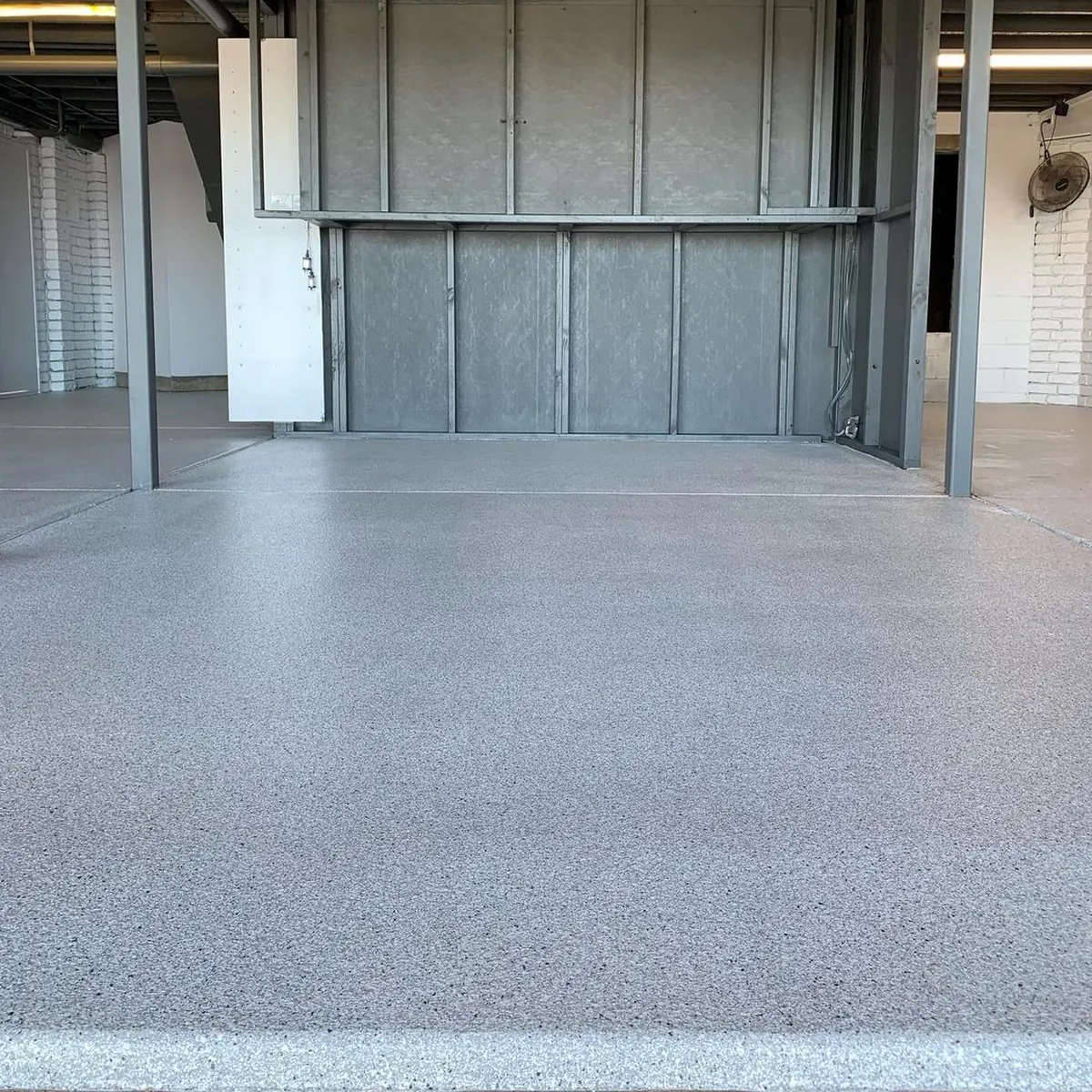
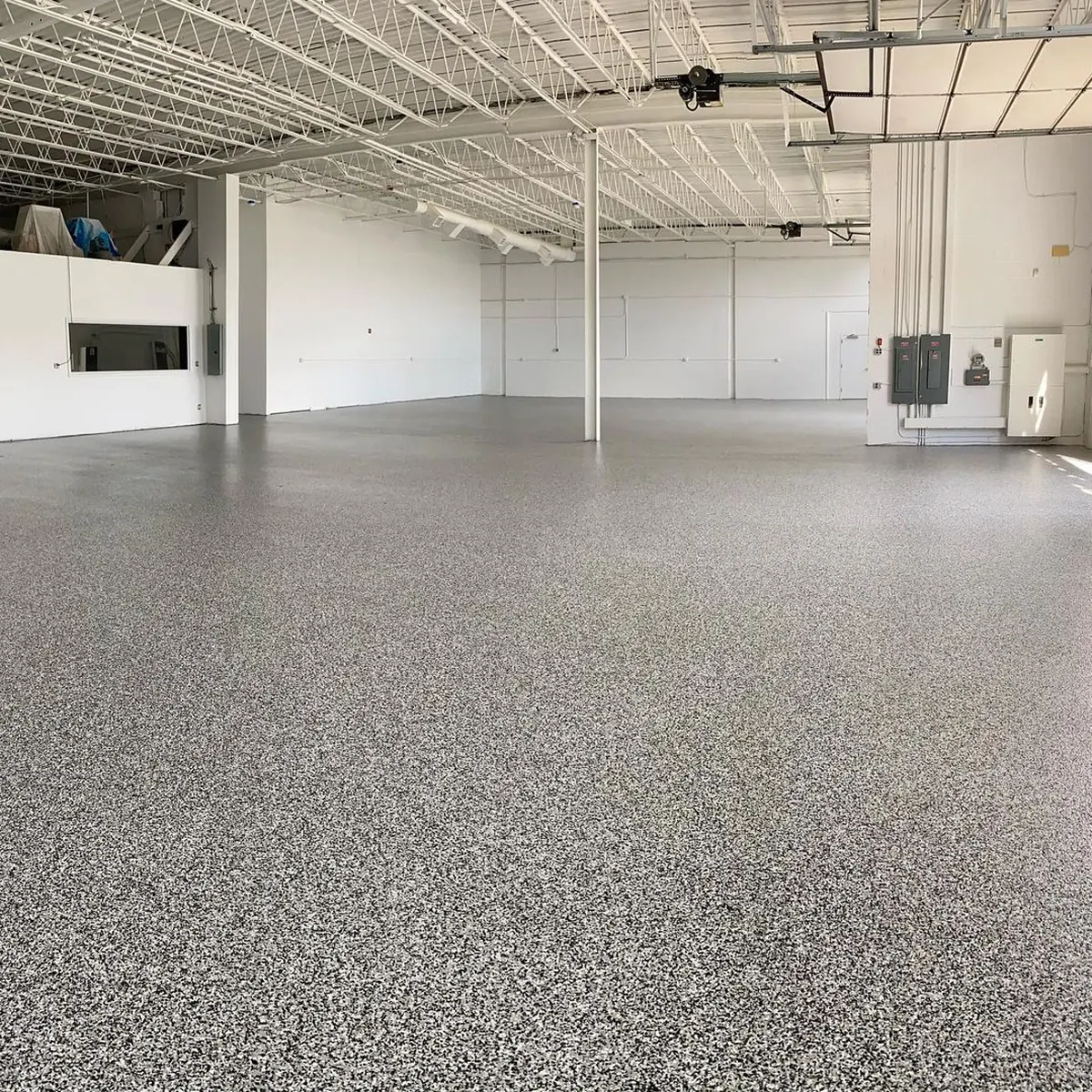
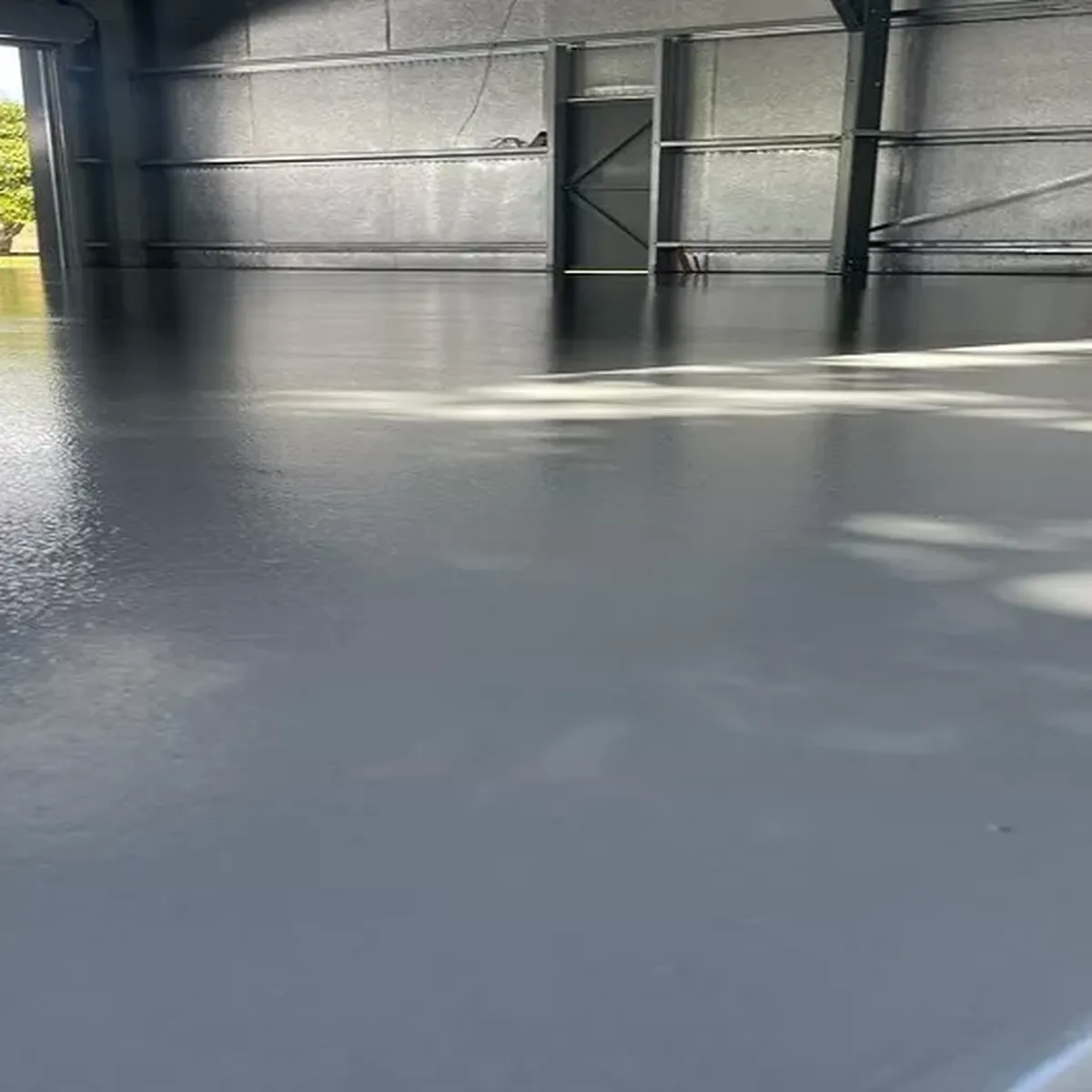
What garage floors look like after install
These examples show common looks — full flake and modern neutral blends. Your final appearance depends on broadcast density and clear coat sheen.
What changes the “look” the most?
- Colour blend (palette + contrast)
- Broadcast density (partial vs full broadcast)
- Topcoat sheen (satin vs gloss)
- Traction level (changes texture feel)
Garage “feel” matters as much as the photo
We tune traction for wet seasons so your garage is safe when damp, easy to sweep, and not so aggressive that it traps dirt.
Installation Process
Prep-first installation for long-term bonding
The quality of a garage floor is decided before the coating goes down. We focus on mechanical prep, correct repairs, and the right primers so the system bonds and stays stable.
Step-by-step: how we build a premium garage system
1) Concrete inspection & planning
We review slab condition, cracks/joints, contamination, and moisture risk. Then we align on finish, traction feel, and clear coat sheen.
2) Diamond grinding (mechanical prep)
We grind to open pores and create a strong mechanical bond — the foundation of durability.
3) Crack & joint repair
We repair cracks and address joint edges so the floor looks intentional and stays easier to maintain.
4) Priming & base coat
Primers/base coats are chosen for slab condition and performance goals, including moisture-aware options where needed.
5) Broadcast (flake/quartz) or metallic effects
We install your selected finish with controlled coverage to keep the look consistent.
6) Scrape/vac & clear coat sealing
We scrape, vacuum, and seal with a premium clear coat (and optional traction) to protect the system and control cleanability.
Common garage problems we solve
- Dusting concrete and persistent grey residue
- Oil stains and dark tire marks
- Cracks and joint edges that trap dirt
- Water tracking + salt staining near the door line
- Slippery bare concrete in wet seasons
Reality check: If the slab has major moisture pressure or significant deterioration, we’ll tell you before installing a system that won’t hold. The goal is long-term performance.
System Guidance
How we select the right garage system
Garages are not one system fits all. We match the build to slab condition, moisture risk, how you use the space, and the finish you want.
Most common: Full flake + premium clear coat
- Best blend of durability, style, and easy maintenance
- Great at hiding dust and minor marks
- Traction tuned for wet seasons
Heavy use: Reinforced wear build
- Great for gyms, workshops, and heavier traffic
- Topcoat chosen for abrasion resistance
- Optional added texture where needed
Show garage: Metallic
- High-gloss statement finish
- Most impactful under controlled lighting
- Best when wet tracking is minimal
Moisture & Lower Mainland slabs
Moisture-related failures are avoidable when the slab is evaluated and primed correctly.
- Below-grade slabs and older concrete may need special primers
- We look for vapour drive signs and past coating issues
- System selection changes based on risk level
Traction: safe, but still easy to clean
Too smooth can be slippery. Too aggressive can trap dirt. We aim for the sweet spot.
- Traction tuned for wet tracking near the door
- Comfortable underfoot and sweep-friendly
- Optional stronger texture for slopes/entries
Flake Colours
Premium flake blends for residential garages
Search by name or code (example: Raven or FB-915).
Troubleshooting: If a tile shows “Missing image”, the filename/path in the Media Library doesn’t match this URL.
Selection tip: For the lowest-maintenance look with daily parking, choose a mid-tone blend that hides dust and small debris. Lighter blends look bright and clean (especially with upgraded lighting), while darker blends look premium but show fine dust more.
Pricing
Garage floor coating pricing
Pricing depends on prep needs, repairs, finish type, and clear coat selection — not just square footage.
What affects price the most
- Square footage and layout complexity
- Concrete condition (spalling, oil stains, coatings, sealer)
- Crack & joint repair requirements
- Moisture risk and primer selection
- Finish selection (flake, quartz, metallic)
- Topcoat choice (UV stability, abrasion resistance, traction)
Important: Cheap systems cut prep and clear coat quality. A premium result is built on grinding, correct repairs, and protective sealing.
How to get a fast, accurate quote
Send:
- Approx. measurements (L x W) or square footage
- Photos of the full floor + close-ups of cracks/joints
- Any moisture signs (dark spots, bubbling past coatings)
- Your finish preference (flake/quartz/metallic)
Care & Maintenance
How to keep your garage floor looking new
A coated garage is easy to maintain — the key is regular grit removal and simple cleaning habits.
Weekly / monthly basics
- Sweep often (grit acts like sandpaper).
- Mop with a gentle cleaner (avoid harsh degreasers unless needed).
- Rinse salt and slush residue during winter months.
- Spot clean oils sooner rather than later.
What to avoid
- Dragging heavy metal items without protection
- Wire brushes and overly abrasive pads
- Leaving salt/chemicals to sit for long periods
- Using unknown harsh solvents without testing
Tip: Put a small mat at the garage entry if you track grit in often — it’s the easiest way to protect the finish long-term.
FAQ
Garage epoxy flooring — common questions
Questions we hear most often from homeowners considering a garage floor coating.
How long does a garage floor coating last?
With proper prep, quality materials, and correct clear coat selection, garage floors can last for years. Longevity depends on use, cleaning habits, and how much grit/salt is tracked in.
Do you diamond grind the concrete?
Yes — diamond grinding creates the mechanical profile needed for long-term bonding and reduces delamination risk.
Will it be slippery when wet?
Traction can be tuned. We aim for a safe feel without making the surface hard to clean, especially for wet tracking near the door line.
Do you repair cracks and joints first?
Yes. We address cracks and joint edges so the floor looks clean and stays easier to maintain. Some movement can reappear over time, but planning reduces visibility.
What’s the difference between epoxy and polyaspartic?
Epoxy is excellent for bonding and build. Polyaspartic is often used as a high-performance clear coat for abrasion resistance and UV stability. We recommend the best combination for your garage.
Can you do metallic in a garage?
Yes — it’s ideal for show garages and controlled spaces. If your garage sees heavy wet tracking, flake or quartz is usually the better everyday option.
How do I get an accurate quote?
Square footage + photos (wide + close-ups of cracks/joints) helps. The most accurate pricing comes from a quick site visit so we can confirm prep needs.
Is this page for commercial or strata floors too?
No — this page is focused on residential garage floors. For strata/commercial/industrial Vancouver epoxy flooring, use: Epoxy Flooring Vancouver, BC.
Ready to upgrade your garage?
Send your square footage and a few photos — we’ll recommend the best finish and provide a clear quote. Or book a free on-site visit.
Prefer deeper reading? Compare options here: Polyaspartic vs Polyurea floor coatings.