The right system starts with the space.
Polyaspartic vs epoxy
flooring in Vancouver.
Compare cure time, UV stability, durability and cost for showrooms, workshops, commercial interiors and other concrete floors.
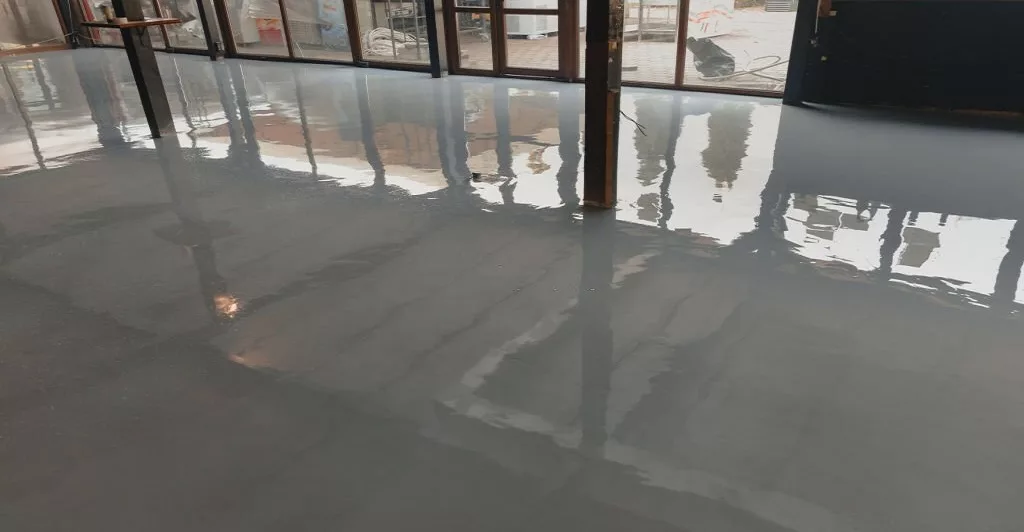
Choosing polyaspartic vs epoxy flooring in Vancouver means matching a complete system to the space. A sunlit showroom, a service bay and a warehouse have different requirements for appearance, traffic, chemicals and downtime.
Both chemistries can form part of a durable floor. They can also work together: an epoxy primer or build coat may be paired with a compatible polyaspartic topcoat. Start with the concrete and operating conditions, then compare the proposed layers.
What usually separates the two?
Epoxy often offers good value and flexibility for interior floor builds. Polyaspartic becomes especially useful when a shorter cure schedule or colour stability in daylight is a priority. Those are starting points for specification, not guarantees that every product performs the same way.
Where epoxy fits.
A broad product category for primers, body coats and decorative or performance flooring systems.
- Solid-colour, flake, quartz and metallic finishes within suitable systems.
- Options for different build thicknesses and interior demands.
- A potential value advantage when the required cure time is available.
Where polyaspartic fits.
Useful as a specified basecoat or protective finish where its product properties suit the project.
- Fast-curing formulations for shorter installation windows.
- UV-stable aliphatic products for colour stability in daylight.
- Compatible protective topcoats for selected epoxy floor builds.
Polyaspartic vs epoxy: side by side.
Use this comparison to frame your questions. Confirm the named products, system build and technical data before making the final selection.
Scroll the table horizontally to compare all columns.
| Consideration | Epoxy products | Polyaspartic products |
|---|---|---|
| Cure and downtime | Conventional products generally need more cure time. Fast-cure formulations also exist. | Fast-curing products can shorten installation. Full service still follows the system's cure requirements. |
| UV and appearance | Standard epoxy can yellow. Review exposed layers and the UV resistance of the complete finish. | UV-stable aliphatic products offer strong colour stability in daylight. Confirm the particular formulation. |
| Wear and chemicals | Available in systems for different traffic and chemical demands. Check product-specific resistance data. | Also offers wear- and chemical-resistant options. Compare test data against the actual exposure. |
| Build and finish | A wide range of primer, build-coat and decorative options for suitable interior floors. | Can serve as a basecoat or protective finish within compatible solid-colour or broadcast systems. |
| Concrete moisture | Moisture testing and an appropriate primer or barrier may be required. | The same assessment is needed. Fast curing does not replace moisture control. |
| Installed cost | Can offer good value when the cure schedule and system suit the application. | May involve a material premium. Preparation, repairs and the full build also affect the quote. |
Installation time, walk-on time, vehicle use and chemical service are separate milestones. A quick recoat time does not mean a floor is ready for every load or exposure.
Choose around the way the space works.
Compare the demands of your floor before deciding which chemistry should be used in each layer.
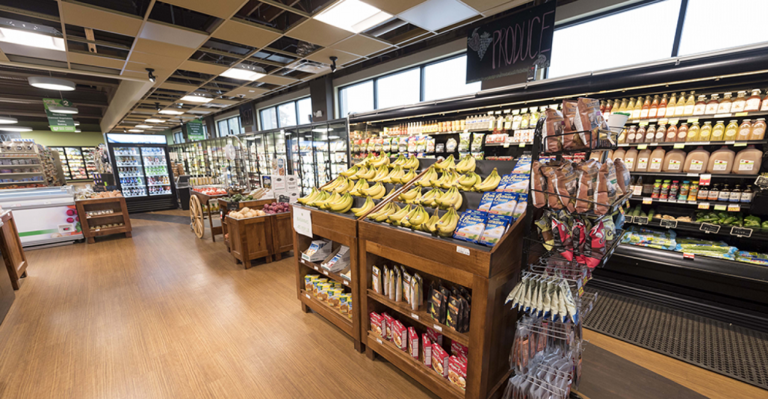
Retail and showrooms
Balance appearance, foot and cart traffic, cleaning and sunlight. Review a finished sample for colour, gloss and texture, particularly near large windows or open entries.
Workshops and service bays
List the oils, coolants, cleaners and other fluids the floor may see. Check chemical resistance, contact times, impact loads and the details around joints and equipment.
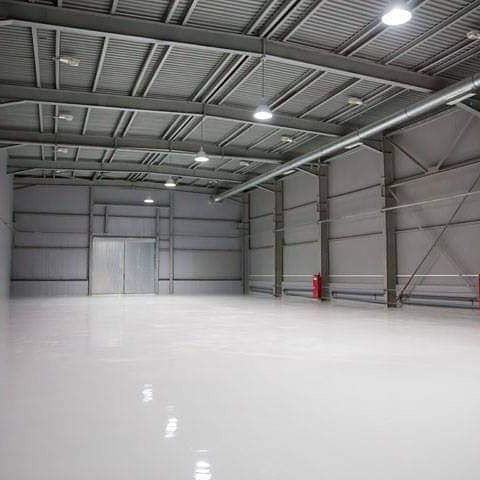
Warehouses and higher-use floors
Assess wheel paths, turning zones, point loads and maintenance access. More demanding exposure may require a thicker build or another flooring category, rather than a simple coating swap.
Garages and home workshops
Consider vehicle use, grit, wet-weather tracking, daylight at the door and the parking schedule.
Preparation belongs in both specifications.
Neither chemistry compensates for an unsuitable substrate. In Vancouver and across BC, assess the actual slab and application conditions rather than choosing from the weather forecast or coating name alone.
Concrete and moisture
Assess slab condition and moisture. Specify a compatible moisture-control layer where the test results and selected system require it.
Mechanical preparation
Remove weak concrete, contaminants and incompatible coatings. Create the surface profile required by the coating manufacturer.
Repairs and joint details
Identify cracks, spalls, moving joints and transitions. Agree which repairs are included and how movement will be accommodated.
The complete coating build
Confirm primers, body coats, broadcast materials and protective finishes, including coverage, thickness, compatibility and recoat windows.
Site conditions and use
Check substrate temperature, humidity, dew point and ventilation requirements. Agree when traffic, equipment and cleaning can return.
A floor can use both chemistries.
An epoxy primer or build coat and a polyaspartic protective topcoat can be a suitable combination when approved by the manufacturer. Each layer has a job, and the cure and recoat requirements need to work together.
Colour stability still needs attention throughout the finish. A clear protective topcoat does not automatically make an underlying standard epoxy immune to yellowing. Review any exposed basecoat as well as the clear coat.
For product-specific information, see Labsurface's technical data sheets and its explanation of UV resistance in epoxy systems with protective clear coats.
Compare value across the whole project.
An epoxy-based floor can be a good value for an interior application when the schedule allows. A polyaspartic component may justify its cost where faster curing or colour stability has a clear benefit.
Ask for like-for-like quotes covering preparation, repairs, moisture control, system thickness, finish, access and return to service. Then consider cleaning, maintenance and future recoating alongside the installation price.
For washdowns, temperature cycling, waterproofing or other specialist demands, confirm the required flooring category first. The right specification may involve more than an epoxy-versus-polyaspartic choice.
Common flooring comparison questions.
Is polyaspartic always better than epoxy flooring?
No. UV-stable polyaspartic products are useful where colour stability and fast curing matter. Epoxy products offer a wide range of build and finish options and can provide good value for interior floors. The right choice depends on the slab, exposure, traffic, finish and complete system specification.
Which lasts longer: polyaspartic or epoxy?
There is no universal lifespan winner. Preparation, moisture conditions, thickness, traffic, chemicals, cleaning and topcoat maintenance affect service life. Compare the specified systems and their maintenance requirements rather than assuming one chemistry will always last longer.
Which floor can return to service sooner?
Fast-curing polyaspartic products can reduce installation time, although fast-cure epoxies also exist. Recoat time, foot traffic, vehicle use and chemical exposure have different cure requirements. Follow the technical data and written schedule for every layer of the chosen system.
Can epoxy and polyaspartic be used in the same floor?
Yes, when the products are approved for use together. An epoxy primer or basecoat can be combined with a compatible polyaspartic protective topcoat. The required preparation, coverage, recoat windows and cure conditions still apply to the complete build.
Does polyaspartic solve concrete moisture problems?
No. A coating being fast-curing or resistant to surface spills does not make it a moisture-vapour barrier. Assess the slab and test moisture before specifying either system. A suitable moisture-control layer may be needed under an epoxy or polyaspartic finish.
Is epoxy usually the cheaper option?
An epoxy-based interior system can be a lower-cost option when the cure schedule is acceptable. Installed prices also depend on removal, repairs, moisture control, thickness, finish and access. Compare written quotes with the same preparation and performance requirements.
Explore flooring for your space.
Find installation information and coating options for commercial, industrial and local Vancouver projects.
Commercial floors
Options for shops, showrooms and customer-facing spaces, with appearance and daily use in mind.
Explore commercial flooringIndustrial floors
Systems shaped by rolling loads, chemical exposure, cleaning and the demands of the facility.
Explore industrial flooringVancouver projects
Local service information, applications and coating choices for your concrete flooring project.
Explore Vancouver services