Automotive facilities · Vancouver & Metro Vancouver

Auto Shop & Dealership Flooring in Vancouver, BC

A better floor for every part of your operation.

Priority One Epoxy Flooring installs epoxy and resin floors for auto repair shops, dealership service departments, showrooms and detailing areas. We match the preparation, finish and reopening plan to each area of your facility.

Explore our Brian Jessel BMW project
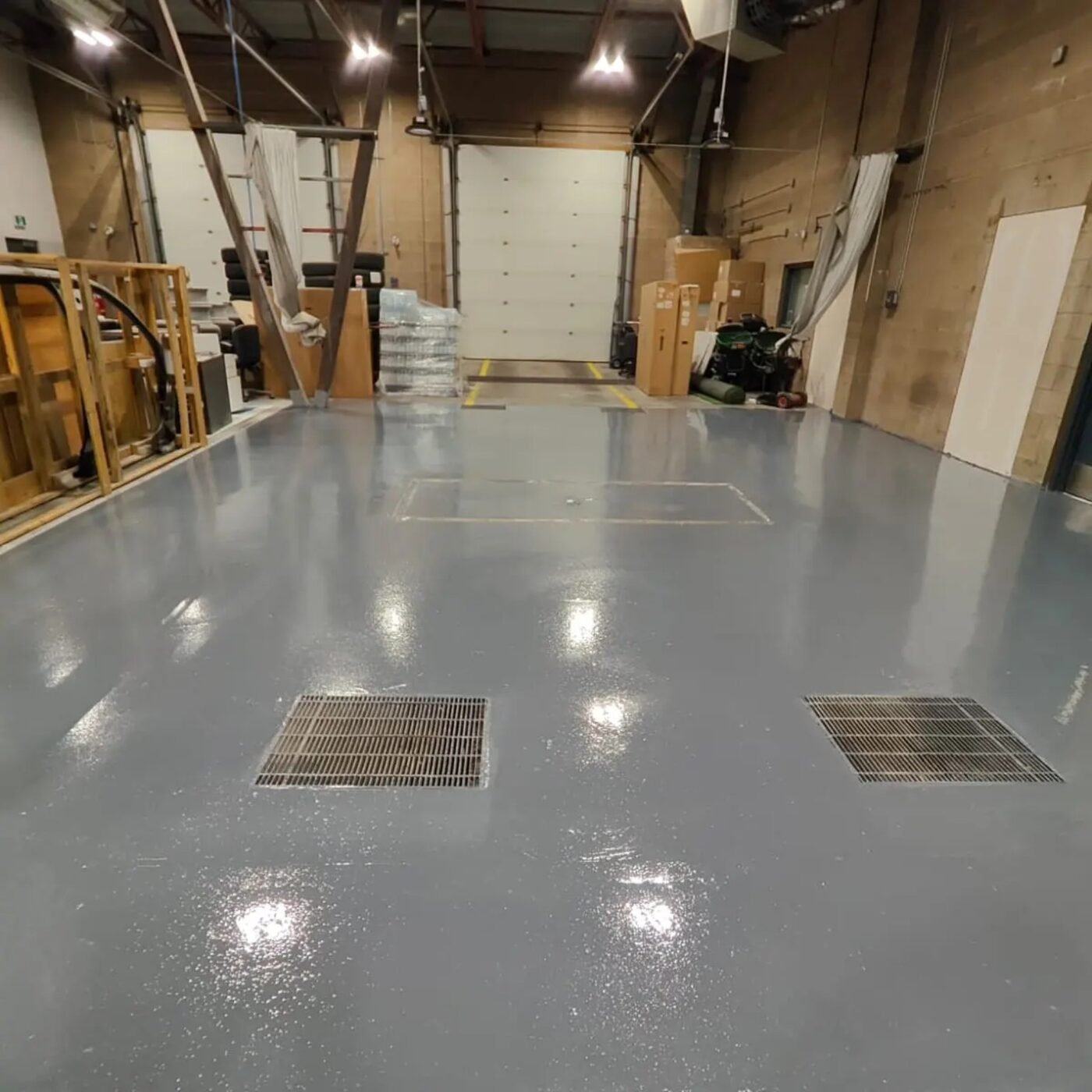
Grey resin floor with drain grates in the Brian Jessel BMW dealership service and storage area
Brian Jessel BMW Selected project · Grey resin flooring · 3,000 sq. ft.
3,000 sq. ft. Completed Brian Jessel BMW flooring project
20+ years Flooring experience across our company
A written scope Preparation, system, details and return to use

Selected automotive project · Burnaby, BC

Brian Jessel BMW.
A working dealership floor.

3,000 sq. ft. of completed grey resin flooring in a dealership service and storage environment.

The photograph above shows our completed floor, including the drain grates and surrounding support space. It is an example of automotive project experience; your showroom, repair bays and wet areas receive their own specification.

View the full project photograph
Client project
Brian Jessel BMW
Completed floor area
3,000 sq. ft.
Environment
Dealership service & storage
Visible finish
Grey resin flooring

Designed around the facility

Different areas.
Different floor requirements.

Choose the area you are planning. We review appearance, traffic, cleaning and the actual slab before recommending a floor build.

Auto repair & mechanic shops

Service bays need a floor selected for turning tires, rolling toolboxes, jacks, dropped parts, fluids and routine cleaning.

We review: oil contamination, existing failures, hoist bases, joint edges and concentrated wheel paths. High-build epoxy or aggregate-broadcast resin may suit the space; the chemistry and thickness follow the exposure.

See preparation priorities

Dealerships & vehicle showrooms

Customer-facing floors need a considered colour, consistent finish and sheen that works with the vehicles, displays and lighting.

We review: tire contact, sunlight at glazing, furniture movement, entrances and cleaning. Decorative or solid-colour resin can be considered alongside polished concrete, with samples to assess appearance and upkeep.

Compare the floor systems

Detail shops & wash areas

Wet detailing and wash bays need texture, cleanability and drain details considered together.

We review: water temperature, detergents, footwear, drainage, wall junctions and application conditions. Textured broadcast resin or urethane cement may be appropriate. A decorative coating alone is not a designed waterproofing membrane.

Review fluids and wet traction

Tire lanes, delivery & parts areas

Repeated turning, staging and cart movement can concentrate wear in a small part of the floor.

We review: wheel routes, storage use, thresholds and transitions between departments. Colours and line markings can help define the agreed layout; preparation and the floor build still need to suit each route.

Plan access and reopening

Planning a residential parking space? See our garage floor coatings. For fabrication and general maintenance workrooms, explore workshop flooring.

Compare the complete assembly

Epoxy and resin flooring
for automotive facilities.

Primer, body layers, aggregate and topcoat work as a system. The named products, installed thickness and preparation tell you more than a coat count alone.

System directions to assess for your concrete and operating conditions
System Where to consider it What to confirm
High-build epoxy Suitable dry service bays, parts rooms and solid-colour dealership floors. Surface profile, moisture results, body thickness, chemical exposure and compatible wear coat.
Aggregate-broadcast resin Traffic routes and areas needing a more textured wearing surface. Aggregate, resin build, traction, cleaning effort and drain or threshold details.
Urethane cement Selected wet areas with more demanding heat, impact or cleaning conditions. Product and thickness, temperature limits, chemical chart, anchoring and terminations.
Compatible protective topcoat Epoxy or broadcast builds needing a specified wear, UV, sheen or cure characteristic. Compatibility with the base, exposure limits, recoating interval and full return-to-use schedule.

A polyaspartic topcoat can be part of a compatible assembly. It does not remove the need for concrete preparation or make every project ready for vehicles in one day.

Send your floor plan or photos. We can help define the areas to assess.

Discuss Your Floor
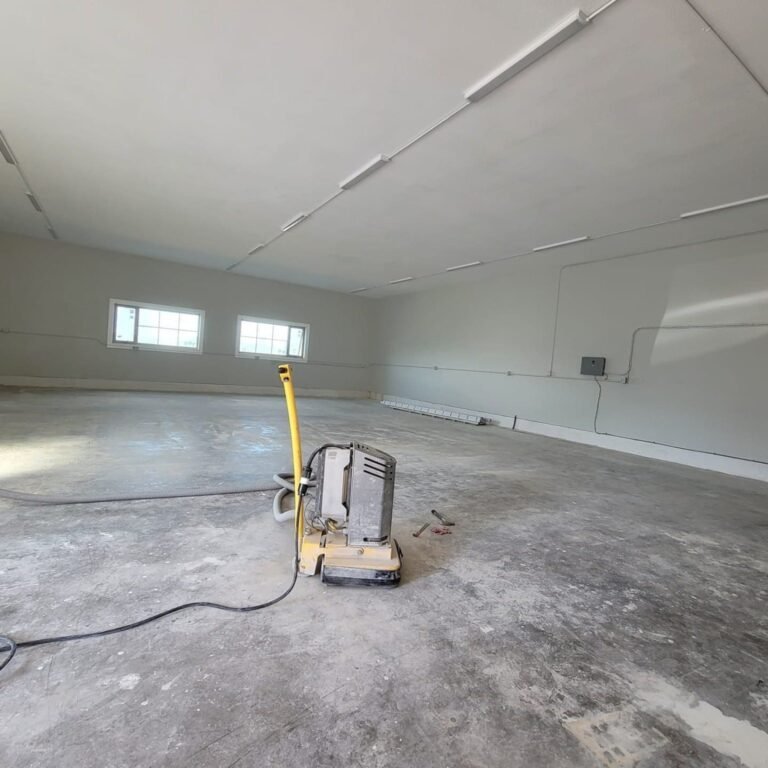
Diamond grinding equipment on a concrete floor during Priority One surface preparation
Mechanical preparation from our company portfolio. Separate project from Brian Jessel BMW.

The work beneath the finish

An automotive floor
starts with the slab.

Old shop concrete can hide contamination, weak patches and poorly bonded coatings. We assess the cause of a failing floor before recommending a new finish.

  1. Assess and define the scope.

    Review existing coatings, oil exposure, repairs and moisture-testing requirements. Confirm the department layout and the proposed system.

  2. Prepare and complete the details.

    Mechanically profile the concrete, remove unsuitable material and complete agreed repairs. Assess deeper contamination and trial adhesion where appropriate. Detail joints, drains, thresholds and equipment interfaces.

  3. Install and hand over.

    Apply the specified assembly under suitable conditions. Inspect the completed work and confirm cure restrictions, cleaning guidance and applicable warranty terms.

Movement joints must remain functional. Coatings do not increase the slab’s structural capacity; hoist anchors and equipment foundations need their own requirements respected.

Performance in everyday use

Specify for the fluids.
Plan for the cleaning.

Automotive chemicals

List the actual oils, coolant, brake fluid, fuels, degreasers and cleaners, including concentrations and contact times. Review the selected manufacturer’s chemical-resistance information. “Chemical-resistant” does not mean resistant to every spill.

Tires and equipment

Turning wheels, hot tires, jack wheels and small casters create different wear conditions. Discuss protective practices for concentrated contact and heavy equipment. The slab, preparation and installed assembly all influence performance.

Wet traction and care

Choose texture around water, fluids, footwear and the cleaning equipment. More texture can change cleaning effort. Remove grit, clean spills promptly and use compatible cleaners. No floor finish is slip-proof.

Review colour, sheen and texture samples in the actual lighting. Include cove base, line markings and transitions in the proposal where required.

Keep the schedule practical

A clear plan
for your shutdown.

We review bay groups, operating hours, vehicle routes and work-area separation before proposing a sequence. Phasing may suit some facilities; removal, repairs, ventilation and curing determine whether it is practical.

Before the work

Agree which areas close, what equipment moves, how deliveries enter and what access remains available.

Between work phases

Confirm separation, transitions, coating intervals and the conditions required before adjoining work begins.

Before reopening

State separate waiting periods for foot traffic, vehicles, equipment and chemical cleaning. Completed installation and full cure are different milestones.

Budget and written scope

What does auto shop
flooring cost?

A sound showroom slab and an oil-exposed repair bay can have the same area but require different work. Your price follows the measured floor area, preparation, repairs, system and installation access.

Concrete and removal

Existing coating removal, contamination, moisture-related work and agreed repairs.

System and finish

Named products, installed thickness, aggregate, topcoat, colours and surface texture.

Details and access

Drains, coves, transitions, markings, equipment access and phased working requirements.

Handover and terms

Return-to-use conditions, care guidance, exclusions, applicable taxes and written warranties on qualifying systems.

Start with your facility.

Send the project city, approximate area by department, wide floor photos, close-ups of damage, wet-area details and your available shutdown dates.

Email Project Details

Before you commit

Good questions.
Clear expectations.

Tell us how the floor is used. The right recommendation starts with the actual room and operating conditions.

What is the best flooring for an auto repair shop?

High-build epoxy and aggregate-broadcast resin are options for suitable repair bays. Wet areas or more demanding heat and cleaning may call for urethane cement. We assess the slab, traffic, chemicals and shutdown window before recommending the assembly.

Can you coat an oily or peeling mechanic-shop floor?

The cause and depth of contamination or coating failure must be assessed first. Removal, mechanical preparation, repairs and further treatment may be needed. A trial area can help assess adhesion where conditions warrant it; coating over the problem is not a reliable scope.

Will epoxy resist brake fluid, oil and hot tires?

Resistance varies by the complete system and exposure. Share the actual products and cleaning routine so the selected manufacturer’s chemical information can be reviewed. Concentration, temperature and contact time matter, and spills still need prompt cleanup.

Can the service department stay open?

Some layouts allow work in bay groups or separate departments. Others need a closure. Access, work-area separation, ventilation, preparation and curing determine the feasible sequence; this is confirmed before scheduling.

When can vehicles and equipment return?

We confirm separate return-to-use times for people, vehicles, equipment and cleaning. Timing follows the selected products, floor build and site conditions. A fast-curing topcoat does not make all underlying layers ready for full use.

Should a showroom and wash bay have the same finish?

They may coordinate in colour while needing different floor builds and textures. Showrooms place more emphasis on presentation and lighting; wash bays add water, cleaning chemicals, drainage and wet-footing requirements.

Do you provide a written quote and warranty?

We provide a written quotation identifying the agreed preparation, repairs, flooring build, finish and installation scope. Written warranties are available on qualifying systems, with coverage, exclusions and care requirements stated in the proposal.

Plan your next floor

Your facility.
A floor with a clear plan.

Share your project photos, floor area and preferred dates. We’ll review the concrete, discuss the finish and arrange a free site assessment.