
Cold-Room Flooring Fundamentals
The Floor Has to Match Two Different Temperatures
The best cold room epoxy flooring specification is not based on the room name alone. It must account for the temperature the finished floor will experience and the temperature at which the material will actually be installed and cured.
A walk-in cooler cleaned with a mop may need a different system than a freezer exposed to warm wash water, pallet traffic or repeated thermal cycling. Likewise, a resin that performs well after curing may still be unsuitable for installation over a cold, damp or frosted slab. We verify product requirements against the proposed site conditions before the floor system is finalized.
How the Finished Floor Will Operate
We consider the room's normal temperature, thermal cycling at doors, wash-water temperature, condensation, chemicals, impact and rolling traffic.
How the Material Will Be Installed
We confirm slab temperature, room temperature, moisture, ventilation, cure requirements and whether the refrigeration system can be shut down or the area temporarily warmed.
Cold-Room Resin Flooring Scope
Work We Can Include
- Removal of failed coatings and selected tile assemblies
- Mechanical concrete preparation
- Concrete patching and localized surface rebuilding
- Drain, cove, edge and threshold coating details
- Urethane-cement, epoxy/quartz and compatible topcoat systems
- Phased floor installation where conditions allow
Work That May Require Another Trade
- Refrigeration equipment repair or commissioning
- Replacement of insulated floor panels
- Failed under-slab insulation or vapour barriers
- Structural slab replacement or frost-heave engineering
- Major plumbing or drain relocation
When those conditions are present, the flooring portion should be coordinated with the refrigeration, plumbing, engineering or general-contracting scope instead of coating over the symptom.
Specification by Use
Cold-Room Flooring Recommendations by Zone
These are starting directions—not a substitute for reviewing the slab, product data and actual operating conditions. The final system should be confirmed after the installation temperature, cleaning process and traffic are known.
| Area | Common Exposure | Likely System Direction | Critical Checks |
|---|---|---|---|
| Walk-In Cooler | Moisture, carts, mop cleaning, spills and moderate thermal cycling | Quartz-broadcast epoxy or urethane cement, depending on cleaning and traffic | Slab temperature, moisture, texture and perimeter terminations |
| Freezer That Can Be Emptied and Warmed | Low-temperature service, door cycling, impact and condensation | Temperature-appropriate urethane-cement or resin build verified for the intended service | Warm-up period, dry slab, cure schedule, insulation and threshold condition |
| Active Sub-Zero Freezer | Frozen substrate, short shutdown window and limited curing conditions | Manufacturer-approved low-temperature rapid-cure system, or a planned shutdown and warm-up | Minimum application temperature, frost, condensation, ventilation and product documentation |
| Refrigerated Prep or Washdown Room | Warm water, chemicals, food residues, drains and frequent sanitation | Urethane cement with appropriate texture and cove details | Wash-water temperature, chemical exposure, slope and drain transitions |
| Cold Dock, Corridor or Threshold | Pallet jacks, carts, forklifts, impact, moisture and temperature transitions | Heavy-duty resin system with reinforced repairs and transition detailing | Joint movement, edges, wheel loads, door seals and adjacent floor elevations |
System Comparison
Epoxy, Urethane Cement and Rapid-Cure Resin
| System | Best Fit | Strengths | Important Limitation |
|---|---|---|---|
| Urethane Cement | Washdown rooms, refrigerated production areas and thermally demanding zones | Strong thermal-shock, moisture, impact and chemical performance when correctly specified | It still has manufacturer-specific installation-temperature and cure requirements |
| Quartz-Broadcast Epoxy | Coolers, corridors and cold docks with suitable installation conditions | Durable, seamless, adjustable traction and easier cleaning | Not every epoxy is appropriate for sub-zero installation or severe hot-water thermal shock |
| Low-Temperature Rapid-Cure Resin | Active or tightly scheduled freezer work where documented low-temperature cure is required | Can support shorter shutdowns or colder application conditions when the selected product allows | Odour, ventilation, working time, substrate condition and exact product limits must be reviewed |
| Repair Mortars and Detail Resins | Thresholds, spalls, drain edges, coves and localized deterioration | Rebuilds weak areas before the finish system is installed | A repair product cannot correct failed insulation, structural movement or ongoing frost heave |
Why “epoxy” is not the complete specification: the resin family, thickness, aggregate, primer, repairs, cove base, termination details and curing conditions all affect performance. A product name without those details is not a complete cold-room flooring system.
Failure Diagnosis
Why Freezer and Walk-In Cooler Floors Fail
Cold or Damp Installation
Condensation, frost or a slab below the product's application range can interfere with cure and adhesion.
Thermal Shock
Warm wash water against a cold floor creates rapid movement that can crack or delaminate an unsuitable system.
Ponding and Icing
Poor slope, blocked drainage or condensation can create standing water, ice and recurring safety problems.
Threshold and Edge Impact
Traffic concentrates at doors and transitions, where carts and pallet equipment can damage weak terminations.
Contaminated Substrate
Grease, old adhesive, food residue and weak concrete can remain below a new coating unless removal and preparation are thorough.
Insulation or Vapour Failure
Moisture migration, damaged insulation and frost heave can move or break the slab beneath the resin system.
A coating cannot solve a structural freezer-floor failure. If the slab is lifting, moving or repeatedly cracking because insulation, under-slab heating or the vapour barrier has failed, the underlying assembly should be investigated before resin flooring is installed.
The Details That Matter Most in a Cold-Room Retrofit
Existing Tile or Coating Removal
Loose tile, grout, adhesive and failed coatings must be removed far enough to expose a sound substrate. The method may include PCD grinding, shot blasting, diamond grinding or a combination based on the assembly.
Slopes and Drains
Resin follows the surface beneath it. Where water already ponds, localized rebuilding or a broader slope-correction scope may be needed before the finish system is applied.
Cove Bases and Wall Transitions
A properly detailed cove can reduce difficult-to-clean floor-to-wall joints. Cove height, wall substrate and termination method should be included in the proposal.
Joints and Moving Cracks
Isolation and movement joints should not be buried without a detail. Crack repair and joint treatment are different scopes, and movement may still reflect through a rigid floor system.
Door Thresholds
Thresholds combine impact, thermal transition and edge exposure. Elevation, termination, door clearance and adjoining materials need to be checked before work begins.
Traction and Cleanability
More texture can improve wet traction but can also make cleaning harder. Aggregate size and finish should be chosen around the actual footwear, contaminants and cleaning equipment.
Related high-moisture applications can be reviewed on our washdown-area flooring and commercial-kitchen flooring pages.
Local Installation Details
Relevant Priority One Urethane-Cement Work in Vancouver
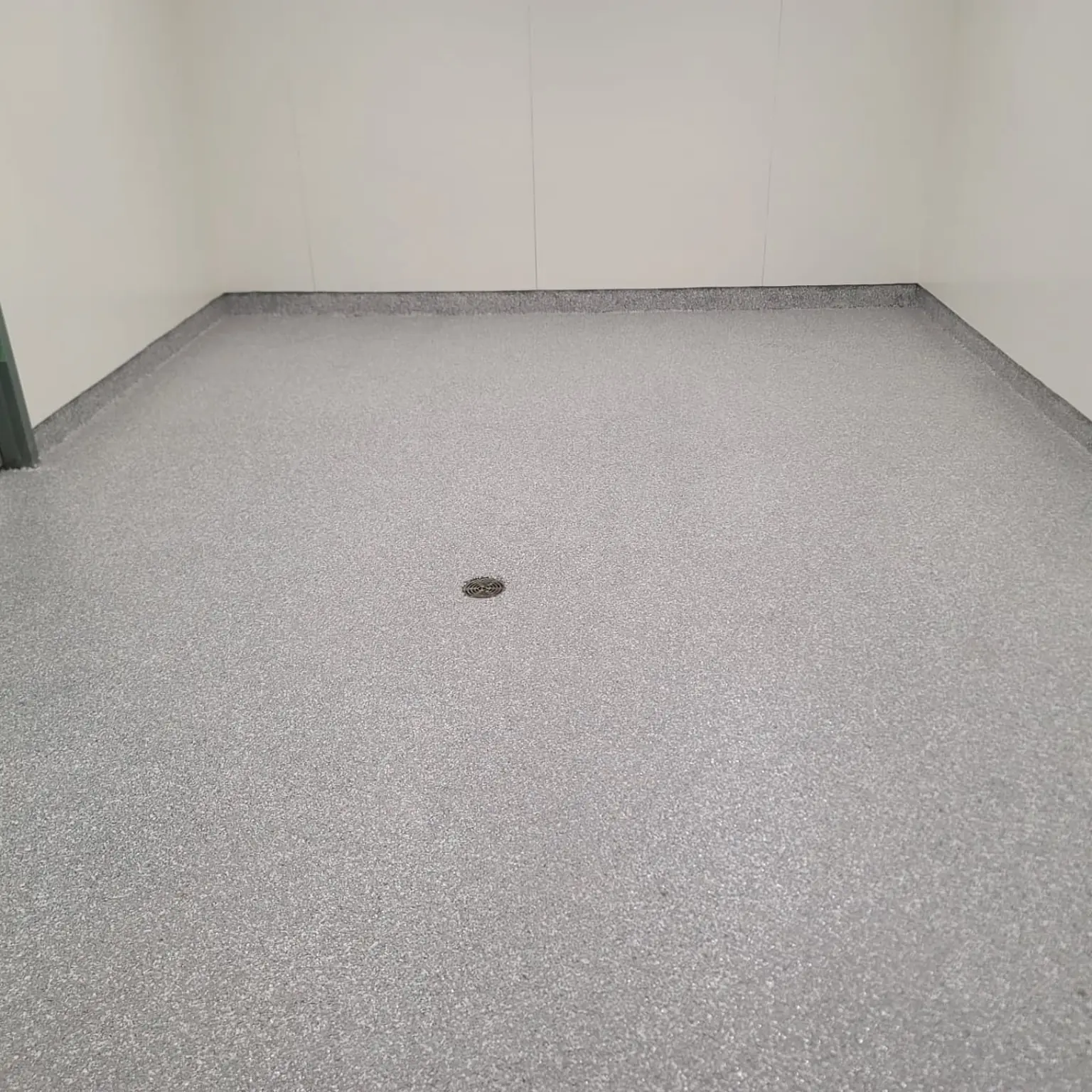
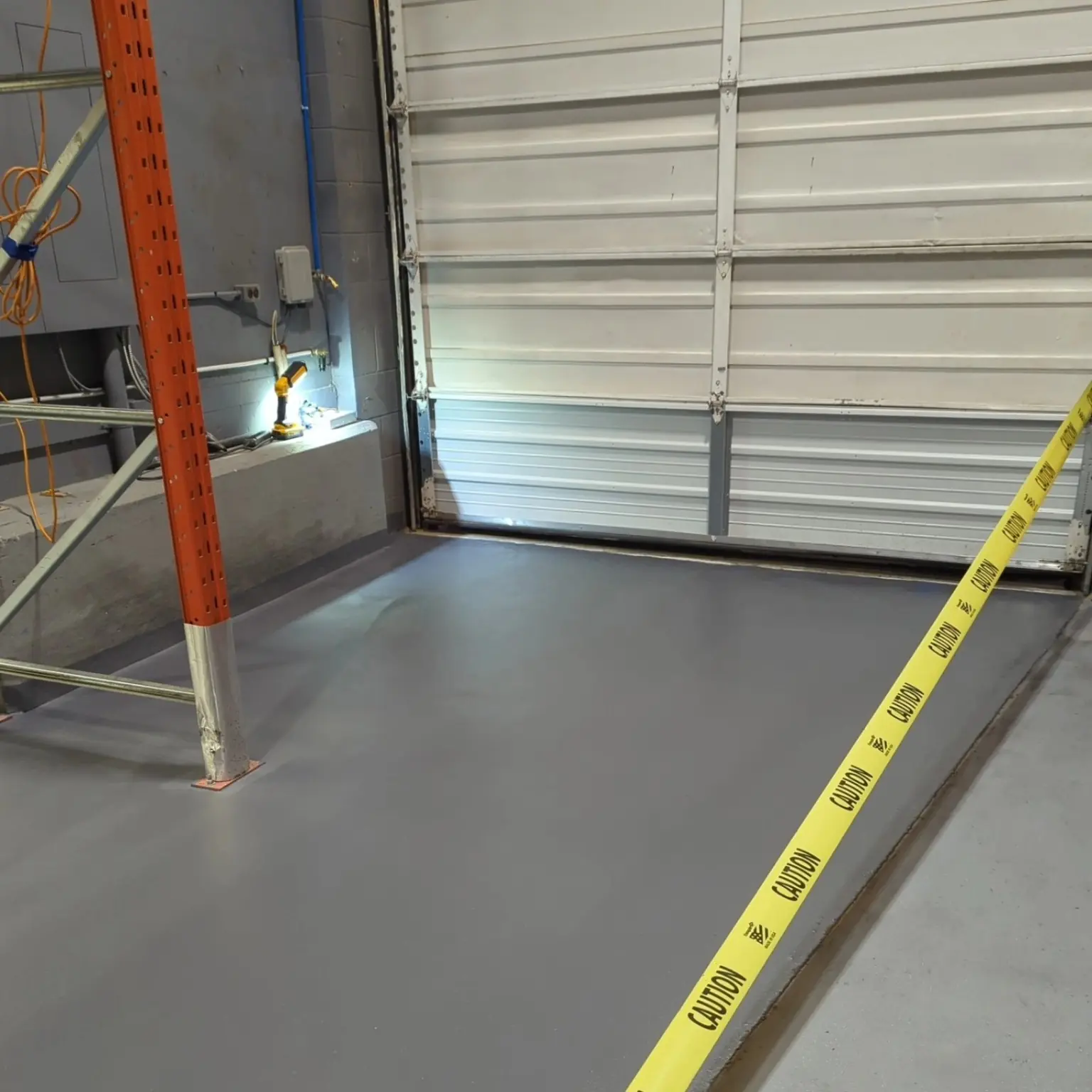
These Priority One projects show the drain, cove and threshold workmanship that also matters in demanding cold-room and refrigerated-space flooring. Final cold-room chemistry and installation conditions still need to be selected for the specific facility.
Prep-First Installation
Our Cold-Room Flooring Process
- Confirm the operating conditions. We review temperature, cleaning, chemicals, traffic, drains, product storage and the proposed shutdown window.
- Inspect the existing assembly. We assess tile or coating failure, concrete condition, moisture risk, cracks, joints, thresholds, slope and possible structural warning signs.
- Plan temperature and access. The facility confirms how product will be moved, whether refrigeration can be shut down and how the required slab and room temperature will be maintained.
- Remove and mechanically prepare. Failed materials are removed and sound concrete is profiled using the method appropriate for the existing floor and selected system.
- Complete repairs and details. Patches, coves, drain edges, thresholds and approved joint treatments are completed before the finish build.
- Install, cure and hand over. The specified resin system is installed within its documented conditions, followed by cure verification and written reopening guidance.
Shutdown, Phasing and Return to Service
Cold-room downtime cannot be promised from square footage alone. The required window includes product removal, temperature stabilization, demolition, preparation, repairs, installation and curing—not only the time spent applying the finish coats.
Before Installation
Product, shelving and movable equipment may need to be relocated. Refrigeration and room temperature must follow the agreed installation plan.
During Installation
Work boundaries, access routes, ventilation, dust control and adjacent operations need to be coordinated with the facility team.
Before Reopening
Foot traffic, rolling traffic, cleaning and refrigeration restart may have different cure requirements. The strictest applicable requirement governs.
Phased work is project-dependent. It can reduce operational disruption, but temporary boundaries must not create weak edges, trap moisture or conflict with traffic and sanitation requirements.
What Affects Cold-Room Flooring Cost?
Removal and Disposal
Tile, adhesive, thick coatings and reinforced floor panels require different removal methods and labour.
Concrete Condition
Spalls, cracks, weak concrete, contamination and moisture can add preparation and repair steps.
Temperature Plan
Active-freezer work, temporary heat and low-temperature materials can materially change the installation plan.
Drains, Slopes and Coves
Detail work is measured separately because it requires more labour than open-floor coating.
System Thickness
Heavy-duty urethane-cement and broadcast systems use more material and preparation than thin-film coatings.
Schedule and Access
Night work, weekend work, multiple phases, remote travel and restricted loading access affect mobilization.
What to Send for a More Accurate Quote
Room and Floor Information
- Dimensions or square footage for each room
- Current floor type and approximate age
- Photos of the entire floor and close-ups of failures
- Drain locations, coves, joints and door thresholds
- Known ponding, ice, moisture or slab-movement problems
Operating and Scheduling Information
- Normal cooler or freezer temperature
- Cleaning method, water temperature and chemicals
- Carts, racks, pallet jacks or forklift traffic
- Whether the room can be emptied, shut down and warmed
- Required reopening date and acceptable work hours
Related Food, Grocery and Industrial Flooring
Cold-Room Flooring Service Area
Priority One Epoxy Flooring is based in Richmond and serves commercial and industrial facilities throughout Vancouver, Metro Vancouver, the Fraser Valley and selected British Columbia locations based on project size and scope.
- Vancouver
- Richmond
- Burnaby
- New Westminster
- Surrey
- Delta
- Coquitlam
- Port Coquitlam
- Langley
- Abbotsford
- Chilliwack
- Squamish & Whistler
- Vancouver Island by scope
- Interior BC by scope
Frequently Asked Questions
Cold Room, Freezer and Walk-In Cooler Flooring
What flooring is best for a walk-in cooler?
There is no single best system for every cooler. A quartz-broadcast epoxy system may suit a cooler with moderate traffic and mop cleaning, while urethane cement may be better where hot washdowns, heavier impact or thermal cycling are present. Installation temperature and slab condition must also be considered.
Can epoxy flooring be installed inside an operating freezer?
Ordinary epoxy generally should not be assumed to cure correctly in an active sub-zero room. The freezer may need to be emptied, shut down and warmed, or a documented low-temperature rapid-cure system may be required. The selected manufacturer's minimum application and substrate temperatures govern.
Is urethane cement better than epoxy for freezer flooring?
Urethane cement is often preferred where thermal shock, moisture, impact and aggressive washdowns are the dominant exposures. Epoxy can still be suitable in some cooler, corridor and cold-dock conditions. Neither material should be selected without checking the installation environment and product data.
Can a damaged walk-in cooler floor be repaired instead of replaced?
Localized coating failure, spalls, cracks and damaged thresholds may be repairable if the surrounding substrate is sound. Widespread delamination, failed insulated panels, ongoing movement or frost heave may require a larger replacement or structural scope.
Can resin flooring correct ponding around a freezer drain?
A thin coating will not correct meaningful slope problems by itself. Localized rebuilding or a separate sloping layer may be required before the finish system. Drain elevations and plumbing condition also need to be checked.
Will a cold-room resin floor be slip resistant?
Aggregate and surface texture can be adjusted to improve traction for the expected contaminants and cleaning routine, but no floor is slip-proof. More aggressive texture also requires more cleaning effort, so the specification should balance both needs.
How much shutdown time does a walk-in cooler floor require?
It depends on removal, concrete repairs, room warm-up, system choice, cure conditions and traffic requirements. A responsible schedule is prepared after the floor and operating constraints are reviewed rather than promising a universal one-day turnaround.
Is cold-room resin flooring suitable for food facilities?
Seamless resin floors with appropriate coves, drainage and texture can support cleanable food-facility environments. The final products and details must be selected around the facility's sanitation plan, chemical exposure and any project-specific regulatory or consultant requirements.
Plan the Floor Before the Shutdown Window
Send us the room dimensions, operating temperature, cleaning method, photos and desired reopening date. We will review the floor, identify the missing project information and prepare a practical cold-room resin flooring scope.