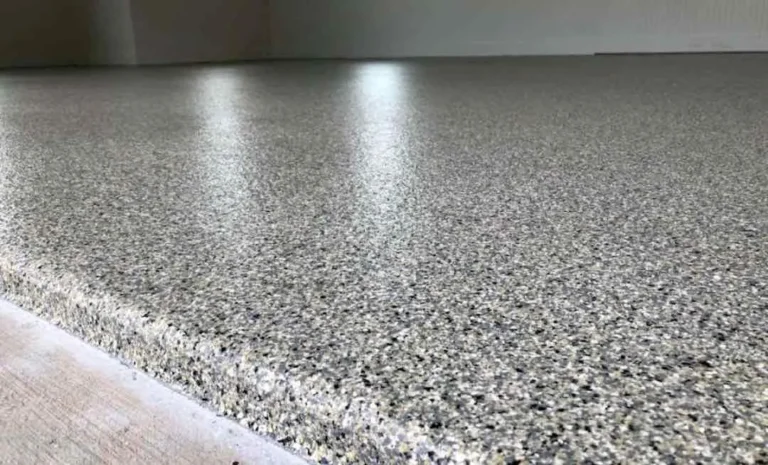
Decorative flake
Colour blends and a compatible clear topcoat create a finished surface for suitable garages and interiors. Discuss the texture, cleaning routine and daily traffic.

Professional concrete coatings · Vancouver & Metro Vancouver
A refined finish. A system built around your concrete.
Priority One Epoxy Flooring installs polyaspartic coating systems for garages, patios and suitable residential and commercial concrete floors. We combine mechanical preparation, agreed repairs and compatible coating layers with a finish selected for your space.
Discuss UV-stable topcoats, decorative flake and a realistic return-to-use schedule at your free site assessment.
View planning prices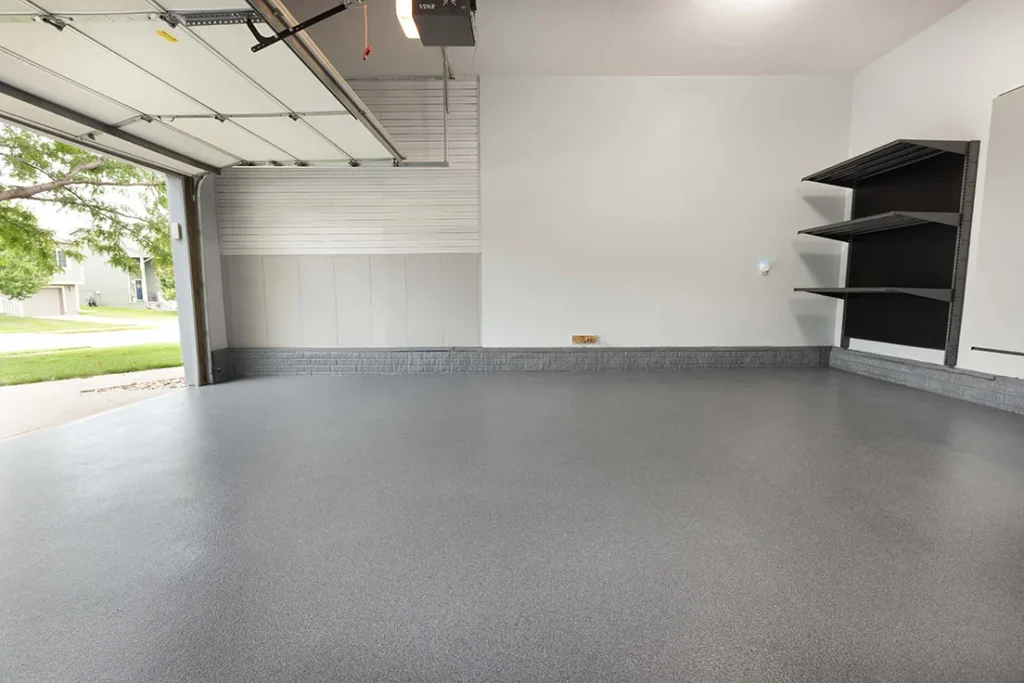
Polyaspartic floor coating installers in Vancouver
Polyaspartic is a resin coating used as a protective wearing layer and, with suitable products, within a fast-curing floor system. The coating name alone does not tell you the preparation, base layers, thickness or traction included.
We assess your concrete and specify compatible layers around traffic, sunlight, cleaning and the available work window. Your written scope explains what is being installed.
Priority One Epoxy Flooring is based in Richmond and serves Vancouver and Metro Vancouver. We install new coatings and assess existing floors for suitable recoat or replacement options.
Finish references
Use these references to discuss the appearance you want. A photograph shows the finish; your assessment establishes the products, preparation and suitability for your floor.
Colour blends and a compatible clear topcoat create a finished surface for suitable garages and interiors. Discuss the texture, cleaning routine and daily traffic.
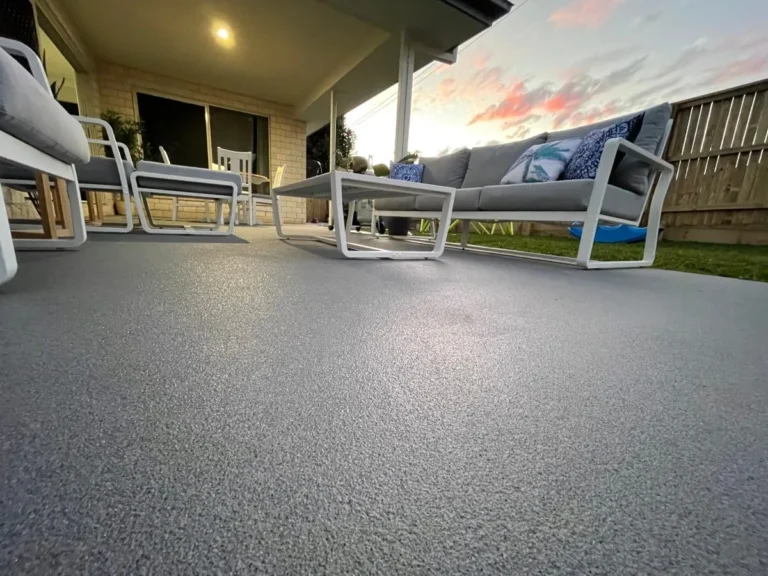
For patios and entrances, review drainage, wet traction and the complete exterior-approved system. The finish should suit the location as well as the look.
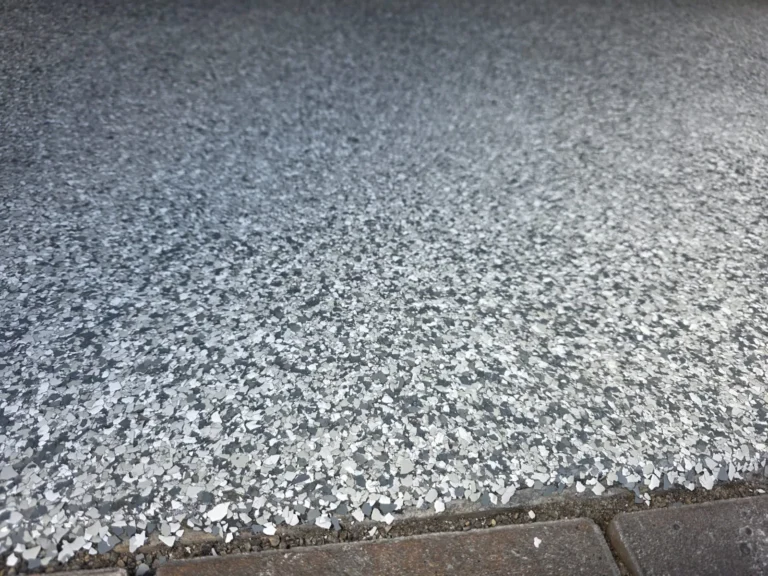
Door lines, edges and transitions deserve their own preparation and coating plan. Review sunlight, rain tracking and how the finish meets adjacent surfaces.
Send a wide floor photo, a close-up of the concrete and any finish inspiration.
Discuss your coating project ↗Choose by application
Consider decorative flake, a protective topcoat and the texture needed for daily parking or workshop use. We review oil contamination, door edges, repairs and vehicle return times.
See garage pricing & flake colours ↗Selected exterior systems can finish suitable concrete patios and entry areas. Drainage, rain exposure, movement and wet traction influence the system and application schedule.
A suitable coating can make a sound concrete surface easier to clean. Assess below-grade moisture, previous flooring, ventilation and access before selecting the layers.
Polyaspartic topcoats can be considered within compatible commercial systems where appearance and reopening schedules matter. Review carts, cleaning products and operating conditions.
Compare commercial flooring systems ↗Hot washdown, aggressive chemicals, heavy industrial duty or a waterproof traffic deck need their own specification. Compare our industrial flooring and parkade traffic coating services for those conditions.
Understand the layers
Many finished floors combine materials. Ask which product forms the base, which provides the wearing surface and how the layers work together.
| Approach | Role in the floor | What to confirm |
|---|---|---|
| Polyaspartic coating system | Suitable polyaspartic products form compatible coating layers, often with decorative aggregate. | Substrate suitability, approved layer sequence, coverage, working conditions and cure times. |
| Epoxy base + polyaspartic topcoat | An epoxy base or build layer is finished with a compatible polyaspartic wearing coat. | Preparation, intercoat bonding, decorative finish and the exposure suitability of every layer. |
| Topcoat renewal | A sound existing coating is prepared and recoated with a compatible protective layer. | Existing adhesion, contamination, required sanding or removal, and compatibility testing. |
Polyaspartic coatings belong to the polyurea family, but product formulations and uses vary. A UV-stable clear coat does not make every underlying epoxy or pigment immune to sunlight. Compare polyaspartic and epoxy for more detail.
Vancouver installation conditions
Sunlight, rain tracking and slab moisture are different exposures. Each needs consideration when selecting the coating and planning the work.
We review slab moisture and contamination, with testing and treatment as required by the proposed system. Exterior work also needs a suitable dry surface and an application window within the product’s temperature and humidity limits.
Choose compatible products for bright doorways or exterior use. Review water drainage and traction alongside the finish. A decorative floor coating is not automatically a waterproof membrane for a balcony above occupied space.
Preparation & installation
We plan the work around concrete condition, compatible materials and the intended use. Repairs, removal and any moisture treatment are identified before the coating sequence begins.
Arrange a free site assessment ↗Review existing finishes, contamination, damage, moisture, sunlight, traffic and the available installation window.
Grind to the specified profile, remove unsuitable material and address the quoted repairs. Movement joints need appropriate treatment within the floor design.
Use the selected primer, moisture-control layer where required, and base coat in the specified sequence and at the required coverage.
Install the agreed decorative aggregate or finish, prepare between layers as specified, and apply the compatible polyaspartic topcoat with the selected texture.
Review the finish and provide the return-to-use and maintenance guidance for the actual system installed.
Some suitable projects can be installed in one workday. Foot traffic, furniture, vehicle use and full cure have separate requirements. Your schedule follows the selected materials and site conditions; removal, repairs or moisture work can add time.
Polyaspartic floor coating cost in Vancouver
Use these ranges to begin the conversation. Your final price depends on the concrete, complete coating build, floor area and access. All figures are in Canadian dollars.
Straightforward protective build
Planning range for suitable concrete with standard access and normal preparation. Product selection and the included repairs are confirmed in your quotation.
Decorative or textured build
Planning range for decorative aggregate or a more detailed finish. Texture, coverage, edges and preparation influence the final scope.
Removal, repairs or special conditions
Old coating removal, moisture treatment, exterior detailing and non-standard access can require a different scope and price.
For garage-specific sizes and decorative options, see our garage flooring pricing and finish guide.
Care after installation
Remove grit and spills promptly. Use a cleaner and cleaning method compatible with the installed coating, and keep outdoor drains and entry areas clear.
Use protection beneath furniture and equipment, avoid dragging heavy items and follow the agreed maintenance schedule. Worn or damaged coatings may qualify for assessment and a compatible recoat.
Common questions
Clear expectations about preparation, sunlight, moisture and timing help you compare proposals and plan the project.
Ask about your floor ↗The right choice depends on the layer and the project. Epoxy can provide a base or build layer, while selected polyaspartic products provide fast-curing, UV-stable topcoat options. A compatible hybrid system can use both. Your quote should identify the actual layers and products.
Polyaspartic coatings belong to the polyurea family, but the terms do not identify a complete floor specification. Different formulations have different working times, UV behaviour and uses. Compare the named products, preparation, coating sequence and return-to-use requirements.
Some suitable floors and fast-curing systems can be installed within one workday. Coating removal, repairs, moisture treatment and site conditions can extend the schedule. Finishing the installation does not mean the floor is immediately ready for parking or full use.
We confirm separate times for foot traffic, furniture or light loads, vehicle use and full cure. Timing follows the selected product instructions and the installation conditions. Keep the area protected until the agreed return-to-use time.
Selected products and complete systems can be suitable for exterior concrete. We review drainage, wet traction, slab moisture, movement and a dry application window. A decorative coating is not automatically a waterproof membrane for a balcony or deck above occupied space.
A UV-stable clear coat can improve colour retention and protect the finish, but it does not make every underlying resin or pigment immune to sunlight. For bright openings and exterior work, specify compatible layers selected for the full exposure.
Water, oils, footwear and surface texture affect traction. We can discuss compatible aggregates and texture for the intended use, with testing where the specification requires it. More texture also changes cleaning requirements.
We first check the existing coating’s adhesion, condition and compatibility. A sound floor may qualify for a properly prepared recoat; peeling, contaminated or incompatible material may need removal. We confirm that scope before quoting the upgrade.
It can be considered on a suitable slab. Below-grade moisture, existing finishes, ventilation, access and the room’s use need review. A separate moisture-control system may be required; the wearing coat alone does not resolve groundwater or hydrostatic pressure.
Our planning ranges are approximately $8–$10 per square foot CAD for straightforward protective builds and $9–$12.50+ for decorative or textured builds. Removal, repairs, moisture work, exterior detailing and access can change the price. Your written quote confirms the scope and applicable taxes.
Start with your concrete
Send photos, approximate square footage and your preferred dates. We’ll review the space and arrange a free site assessment in Vancouver or Metro Vancouver.