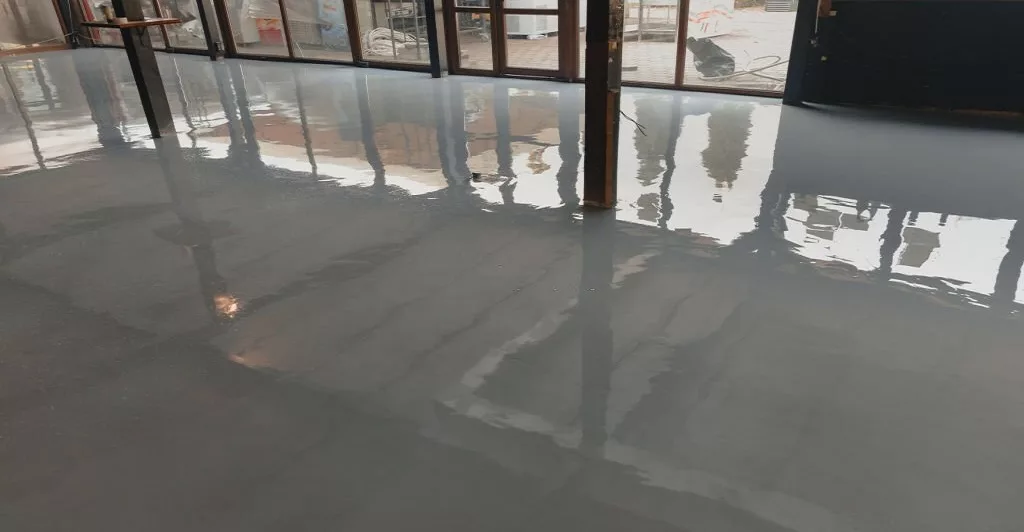
Polyaspartic vs Epoxy Flooring in Vancouver — Key Differences
Choosing a concrete floor coating in Vancouver, BC often comes down to epoxy versus polyaspartic. Both systems perform exceptionally well, but they are designed for different priorities such as UV exposure, downtime, budget, and aesthetics.
This comparison breaks down where each system shines so you can make a confident, informed decision before committing to an installation.
Where epoxy flooring makes the most sense
Epoxy flooring has been used for decades in garages, warehouses, workshops, and commercial spaces. When installed over properly prepared concrete, epoxy forms a rigid, durable surface with excellent adhesion.
- Lower installed cost compared to fast-cure systems.
- Excellent chemical resistance for workshops and light industrial use.
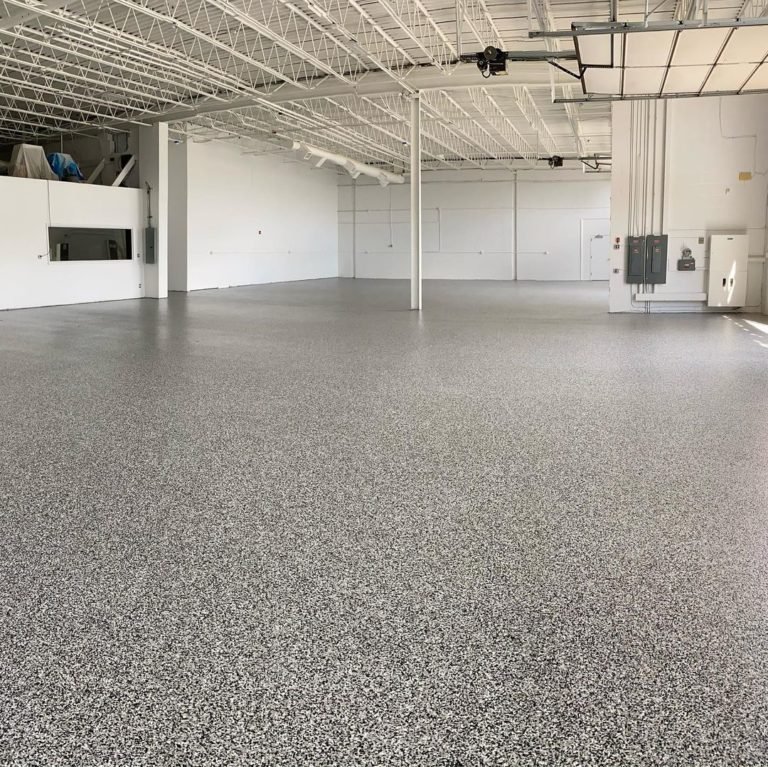
- Wide finish options including flake, solid colour, and metallic.
Where polyaspartic flooring excels
Polyaspartic coatings are valued for their rapid cure times and strong UV stability. These properties make them ideal for projects where downtime must be minimized or where sunlight exposure is unavoidable.
- Fast return-to-service for busy spaces.
- Excellent UV resistance with minimal colour shift.
- High abrasion resistance in demanding environments.
Choosing the right system in the Lower Mainland
For residential projects, especially garages, the decision often comes down to exposure conditions and usage rather than chemistry alone.
When comparing garage floor coating systems , factors such as vehicle traffic, moisture vapor, UV exposure, and acceptable downtime usually have a greater impact on long-term performance than whether the coating is epoxy or polyaspartic.